
The quantity and quality of proteins consumed will have a marked influence on the digestive process. Enzymes that digest proteins are divided into two groups known as exopeptidases and endopeptidases. As the names imply, the exopeptidases, hydrolyse the terminal peptide bonds of the protein and the endopeptidases, such as the enzymes pepsin and trypsin, operate on the inside of the protein by hydrolysing internal peptide bonds and cutting up the protein into smaller fragments. Pepsin is secreted by the stomach in the form of inactive pepsinogen which is activated by hydrochloric acid, which is also secreted by the stomach. Pepsinogen will only be converted to active pepsin if the pH drops to below pH 6 and protein digestion in the stomach thus takes place in an acid medium. The type of protein to be digested can influence the pH at which pepsin operates and animal proteins are usually digested at a lower pH (more acid) than plant proteins. The digestion of egg albumen, for example, requires a pH of 1,5 which is considerably lower than the pH optimum of the enzyme and much lower than the pH required for the digestion of plant proteins.
Pepsin hydrolyses proteins at peptide bonds between an aromatic amino acid (phenylalanine or tyrosine) and a dicarboxylic amino acid (glutamine or aspartic acid) and thus acts to cut up the proteins into shorter chains called proteoses and peptones (Fig.1.3). Digestibility of a protein thus depends on the frequency and spacing of those portions of the protein where the digestive enzymes can act on the protein. As a consequence, a diet high in animal proteins, will require longer periods of stomach digestion, at a lower pH, than will be required for plant proteins. The longer stomach retention time associated with a diet rich in animal products, gives a feeling of satiety, but this is not as a result of nutritional superiority. Indeed, the longer stomach retention time encourages fermentation and this, together with the higher acid levels, can contribute to sluggishness, heartburn, ulcer formation and a host of other conditions. The issue is further complicated by the high free-fat content of animal products. Fat is not digested in the stomach and the free fat thus coats the food and inhibits the water-soluble pepsin from operating optimally, thus leading to still longer stomach retention times.
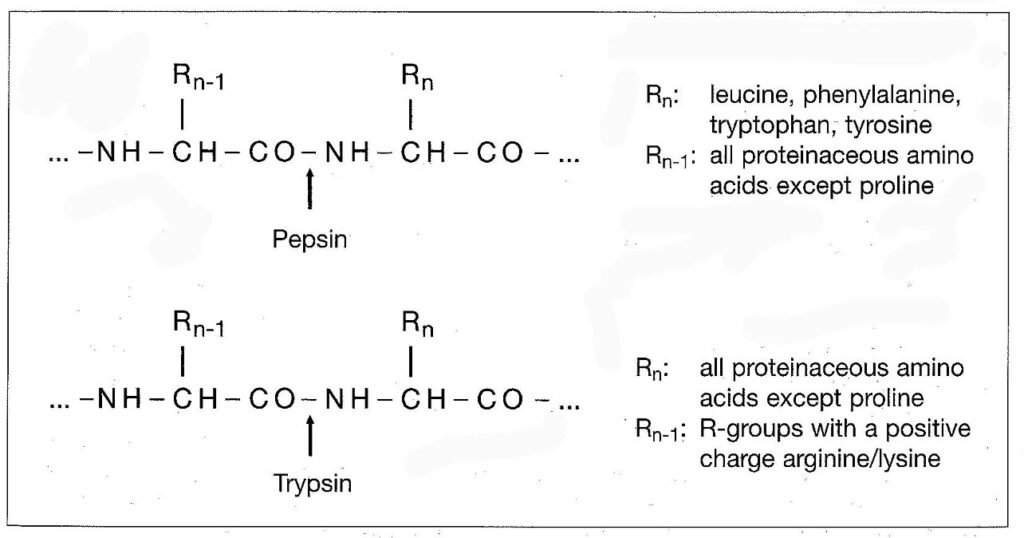
Figure 1.3 The action of pepsin and trypsin on proteins
A further point which needs addressing at this point, is the consumption of large quantities of liquids during a meal. Liquids should best not be consumed during a meal, as this will dilute the enzyme concentrations in the stomach and slow down the rate of protein digestion. Water should best be taken some time before or after a meal but not during a meal. All of these factors combined frequently lead to poor cleavage of the proteins and many partially cleaved molecules enter into the duodenum where the next stage in protein digestion takes place.
The enzyme trypsin, which is secreted by the pancreas in the inactive form trypsinogen, is activated in the duodenum by the enzyme enterokinase which is secreted by the intestinal wall. Once trypsinogen has been converted into active trypsin it too will activate trypsinogen, a process known as auto-catalytic activation. Unlike pepsin, trypsin requires an alkaline medium in which to operate and functions best at a pH between 7 and 9. Trypsin cleaves the proteoses and peptones in positions adjacent to the amino acids lysine and arginine, thus producing still smaller protein fractions. Further digestion takes place by means of exopeptidases which hydrolyse the polypeptides into oligopeptides which consist of residues of two or three amino acids, and finally into individual amino acids.2,3