
Faced with the overwhelming evidence that animal products, particularly in these modern times, must be regarded as a health hazard, and that diets high in fats and proteins are associated with degenerative diseases, the question may be asked: “What is there left to eat?” The problem becomes particularly pressing if one considers that modern processed and refined foods, with their high salt content, scores of additives and disproportionate relationships of nutrients are not exactly conducive to good health.
In spite of the abundance of food in industrial countries, many individuals are undernourished, not because of a lack of food, but because of poor choice of nutrients. Indeed, malnutrition often takes the form of over-nutrition.1 Refined foods together with high fat consumption are largely to blame for the tremendous increase in obesity and associated degenerative diseases so prevalent in Western society. The most common pathophysiological conditions associated with obesity are: Sudden death, cardiomyopathy, Pickwickian/sleep apnea syndrome, pituitary/gonadal dysfunction, Acanthos nigricans, osteoarthritis, diabetes mellitus as well as various forms of cancer.2,3
Most people are uninformed regarding the principles of wholesome nutrition, and in a survey conducted among laity, medical practitioners and scientists, it was found that most of these people blamed genetic factors, lack of willpower, physical inactivity, carbohydrate craving, repeated dieting and depression as the most likely causes of obesity. The solution to the problem was mainly sought in restricting the intake of certain foods, particularly carbohydrates and fats, or in the use of drugs.4 However, neither of these solutions is acceptable, as they will induce a vicious circle from which it is difficult to escape. More and more drugs will be taken, depression will increase, which in turn will lead to even more drug utilization.
In our modern society, social pressures induce many people to follow restrictive diets, in order to lose weight, and there has been a veritable explosion in the weight-loss industry. It is a fact, however, that the weight-loss programmes have very poor success records, and it has been estimated that 90% of all dieters who lose weight in a diet programme, regain that weight within two years.5,6 The ethics of obesity treatment have also been questioned, and the scientific fraternity realizes that the methods of weight-reduction must be re-evaluated.7,8 Moreover, it has been found that these programmes often have psychological effects, and depression may indeed be more intense after a short-lived weight loss.9 Furthermore, many studies have shown that individuals who have had a major weight loss, do not enjoy improved health.10 This is not surprising, as many weight-loss programmes advocate a high-protein, low-carbohydrate diet which, as we have seen, is not conducive to good health. The problem is so acute that it has even been recommended that regulations governing the weight-loss industry in the USA should be strengthened, in order to protect consumers.11
The reasons for the poor nutritional regimes followed by people living in affluent societies are multifactorial, and Dr. Frances Berg, editor of Healthy Weight Journal has proposed a concept of dysfunctional eating to describe this phenomenon.12 Whereas normal eating is geared to nourish the body and is regulated by hunger and satiety, dysfunctional eating is focused on eating for other reasons such as thinness, body shaping, comfort, pain or stress relief, anxiety, anger or loneliness. These factors show that there is more to eating than just the consumption of food. Social pressures and psychological condition play a vital role in the overall health of any individual. A healthy lifestyle must thus include more than just good food, it must include a physical exercise programme, periods of rest, sunshine, social interaction and trust. Important as the psychological conditions of individuals are in dictating eating habits, most people are,
however, gaining weight merely because they are on high fat diets containing a large proportion of refined foods. For the majority of people the answer obviously does not lie in dieting, but what is needed is a permanent change of lifestyle that will not only address the issue of obesity, but will also lead to an improved health status.
A vegetarian whole-food nutritional programme can provide all the nutrients we need without being restrictive in terms of the quality, variety and quantity of foods consumed. The common attitude towards vegetarian nutrition, however, is one of negativism, and conjures up images of carrots and lettuce leaves. Indeed, the reverse is true. A vegetarian whole-food programme can provide a veritable taste explosion. Foods that hitherto have never been heard of or even considered for human consumption, can provide a variety of tastes and textures which will surprise even the staunchest of critics. Eating constitutes one of the great pleasures of human existence, and one should never be satisfied with second best.
With the explosion of the healthy lifestyle industry in the Western world, many conflicting and often complicated eating practices are suggested to people seeking an alternative lifestyle. A few simple rules are, however, all that is necessary to ensure adequate nutrition:
- First and foremost, nutrient needs must be met by a variety of foods. A varied diet does not, however, mean eating a great variety of foods at one meal, as this would place great demands on the digestive system, but rather that a varied overall diet be followed.
- A healthy diet should include the right combinations of food groups to ensure optimum protein and energy consumption.
- It is also important to ensure that compatible foods be consumed at any one meal so as to avoid the excessive formation of fermentation products in the stomach and small intestine.
It should also be remembered that the digestive system is not a machine that can be worked twenty four hours a day. The stomach is a living organ and should be granted periods of rest. Two to three well-balanced meals is all that is required for an adult to obtain all the nutrients that are required. Eating between meals robs the body of its vitality, but fortunately, a whole-food nutritional programme will go a long way in reducing the constant craving for snacks between meals. It is suggested, that meals be spaced at least four to five hours apart, so that the gastric glands have time to recover and large heavy meals should be avoided just before retiring to bed. During sleep there is a decline in metabolic activities which will impact negatively on the digestive process. The result is a restless night and a greater concentration of fermentation products from poorly digested food. In this day and age, it is difficult for working people not to have the main meal in the evenings, but if this cannot be avoided, then the meal should be eaten several hours before going to bed.
What is whole food?
“Whole food is food that contains all the nutrients in the same proportions as found in nature.” Man has a propensity to interfere with the natural packaging of food, a process which is termed “refining”. In the process of refining, foods are separated into components, and these are then consumed independent of each other. Grain is, for example, separated into bran, germ and white flour, and one or more of these components is eliminated from refined foods. Most often it is the germ which is discarded in view of its spoiling qualities, but the germ contains the essential fatty acids which are require for the formation of healthy cell membranes and prostaglandins. The fat in the germ comes prepacked with the right quantities of vitamin E to prevent the formation of harmful free radicals through the process of autoxidation.
Furthermore, the germ also contains vitamin B5, which is needed for carbohydrate metabolism. Separating the carbohydrate-rich endosperm from the germ thus robs us of the means of optimally utilizing these carbohydrates.
The removal of the bran interferes with intestinal motility, and this in turn leads to constipation, and a host of associated diseases. Even more illogical is the modern concept of consuming the daily bran ration in one meal. A breakfast consisting largely of bran will certainly assist intestinal motility of the food ingested, but will do nothing for subsequent meals. The only way to ensure a correct relationship between nutrients and fibre, is to consume whole food. It is also of little value to add bran and other refined products in order to try and rectify imbalances in refined foods, as one can never achieve the optimal relationship with which whole food was originally endowed.
The same applies for all grains, legumes, nuts, fruits, and vegetables. Refined, separated, texturized vegetable proteins are much harder to digest than whole foods, and extracted fats and sugars are responsible for a host of physiological disordres. Though the exclusive consumption of refined foods must be considered a health hazard, this does not mean that whole foods may not be processed, which is an entirely different procedure. The foods may be ground, liquidized, combined with other foods and cooked or baked to change their taste and texture, as this processing does not remove any of the original nutrients. Many vegetarians consume meat analogues instead of meat, but meat analogues, such as gluten and soya-protein products are, in fact, refined foods that are high in sodium and low in iron and fibre content, and their consumption should be limited. A new attitude is needed; there must be a moving away from concentrated foods such as animal products and meat analogues, to proper combinations of whole foods.
General guidelines to healthful living
As more information on nutrition-related diseases has become available, so guidelines for healthful living have changed to bring them in line with current thinking. The modern guidelines as suggested by most health bodies are summarisied in table 7.1.
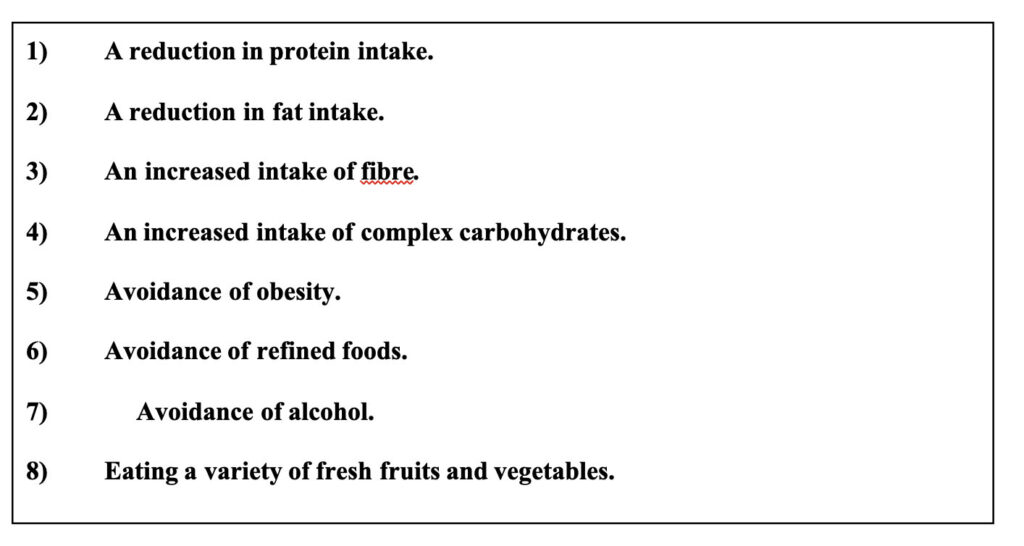
Table 7.1. Guidelines to healthful living as recommended by most health bodies.
For vegetarians, in addition, increased consumption of cereals, nuts, and legumes is recommended, together with fortified soy milk or nut milk.13,14,15 A whole-food programme can answer all these requirements and will provide essential nutrients in the right proportions. High-protein diets should also be avoided, and carbohydrates rather than proteins, should enjoy pride of place. A balanced diet must, however, contain adequate quantities of all the primary nutrients, and it is suggested that carbohydrates should comprise approximately 60-70% of the diet, and proteins and fats the remaining 30-40% (fig.7.1). There is, however, no hard and fast rule concerning this relationship, and some people may require more of the oil-rich foods than others, particularly if they tend to be underweight. A whole-food programme automatically ensures an appropriate relationship between primary nutrients, and there is no need to be armed with a calculator when preparing a meal. Adjustments to suit the individual needs are all that is required, and in the case of young children who are vegetarians, it should be remembered that they also need to proportionally consume more of the energy-, protein-rich foods such as grains, legumes, and nuts, than do adults, in order to boost their energy intake as discussed in chapter 5.16,17
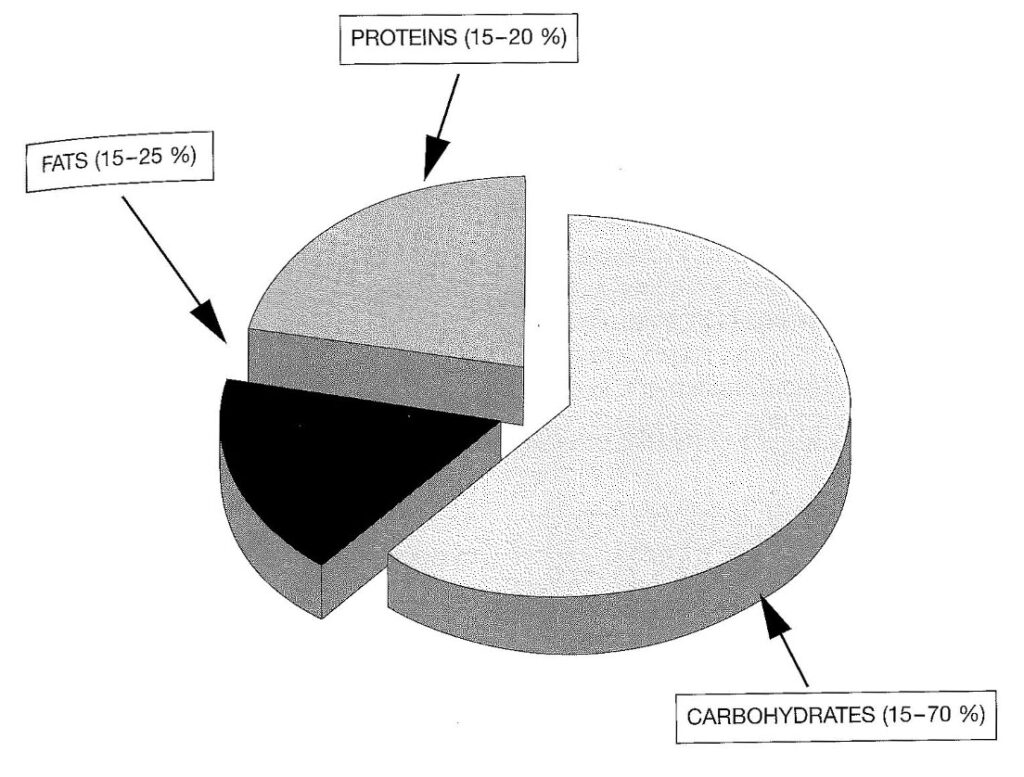
Figure 7.1. Recommended consumption of primary foods.
ENSURING PROPER FOOD COMBINATIONS
Good nutrition is not just a question of eating wholesome food. It also entails the consumption of foods in proper combinations. The subject of food combinations is one of the most confused issues in the health literature, and at times the requirements set can be so overwhelming that even the most ardent of health-conscious individuals could become discouraged. Numerous charts and tables are presented and the most exacting combinations prescribed. Common suggestions in this regard are that some foods should only be eaten by themselves, proteins and carbohydrates should not be mixed in a meal, and even that foods grown above the ground should not be combined with foods grown below the ground. If all these suggestions were to be implemented at the same time, meal planning would become very. Nevertheless, certain basic rules pertaining to the subject of food combinations do exist, and can be usefully applied. Some important ones in this regard are: Ensuring a balanced proportion of acid- and alkaline-forming foods in the diet, combining foods that have roughly similar digestion times so as to prevent fermentation and the accumulation of toxins, and selecting food combinations in the overall diet that will provide balanced proportions of macro- and micro-nutrients. To achieve this the kitchen does not have to be changed into a laboratory, and in primitive societies these criteria are met naturally and without the need for advanced training on the subject of nutrition.
Combining acid- and alkaline-forming foods
Food can be either acid-forming, or alkaline-forming. The elements in the food, to a large extent, determine whether there will be acidosis or alkalosis after the digesting of the food. Minerals are the main controllers of the acid-alkaline levels once the products of digestion have either been converted to alkaline or acid ash. A list of the acid- and alkaline-forming minerals is presented in table 7.2
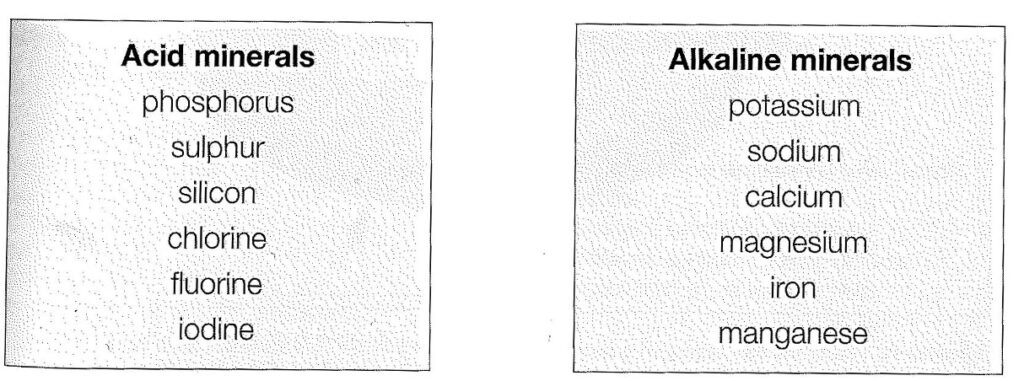
Table 7.2. The main acid- and alkaline-forming minerals.
Human blood is slightly alkaline at pH 7,4 and is maintained at this level by acid-base regulatory mechanisms. The lungs and kidneys are the two organs which regulate the acid-base balance. The lungs take care of volatile substances such as CO2, and the kidneys eliminate nonvolatile acids, such as lactic acid, ketone bodies (derived from fatty acid metabolism), sulphuric acid (produced in the metabolism of protein) and phosphoric acid produced in the metabolism of phospholipids. Even slight variations in the blood pH will have a profound effect on the regulation of the acid-base balance. For example, during metabolic acidosis, bone mineral is decomposed in order to contribute to the buffering of the acid load. In one study carried out on mice, it was found that when pH fell below 7.4, then calcium efflux of bone took place, when the pH was above 7.4, then calcium influx into the bone took place whilst at pH 7.4 there was no net flux.18 A diet which is acid-forming is thus a diet which will place excessive demands on the system, and can lead to increased susceptibility to disease. Besides contributing to calcium loss from bone, high-acid diets will lead to impaired immune responses, early aging and eventual renal impairment. In cases of renal impairment there is excessive retention of acidic catabolites such as phosphates and sulphates and in addition ammonia exchange is poor, which leads to further acidosis. In the overall diet it is, therefore, important to choose more alkaline-forming foods than acid-forming foods as presented in figure Fig. 7.2.
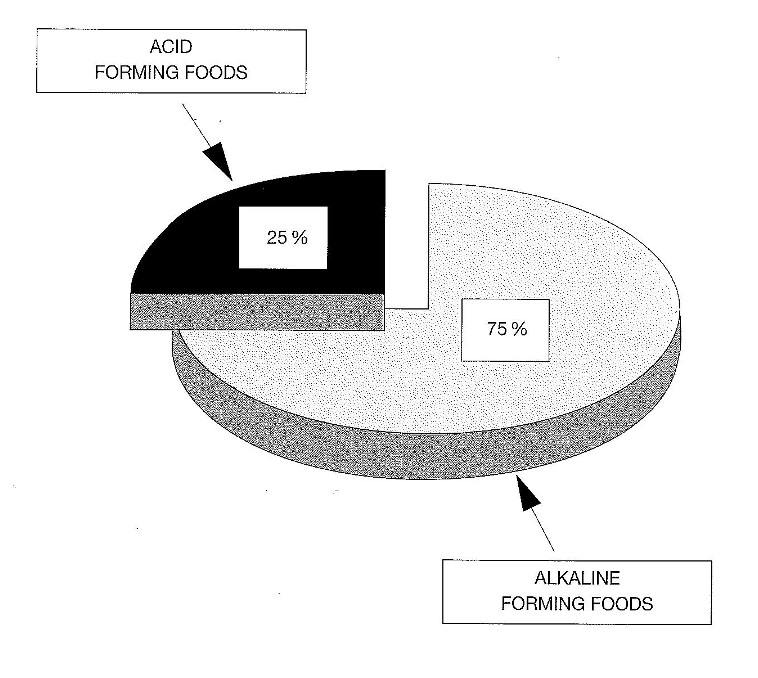
Figure 7.2. The suggested ratio of alkaline- to acid-forming foods.
In table 7.3 the main categories of alkaline and acid-forming foods are presented. It is important to note that both alkaline- and acid-forming foods are required in the diet, but the balance should always favour alkalinity as shown in figure 7.2. Moreover, it should be noted that animal products are generally highly acid forming, which is another reason why they should be avoided. Meals that contain large proportions of acid-forming food groups should be balanced with meals containing mainly alkaline-forming foods, particularly fruits.
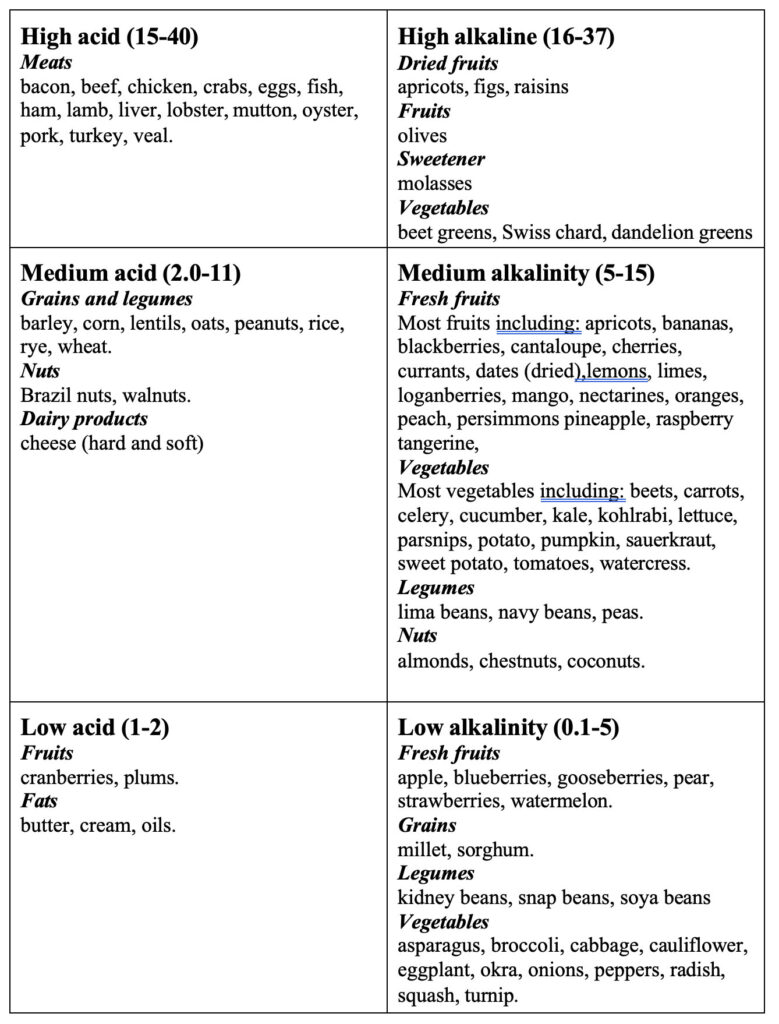
Table 7.3. Acid and alkaline ash food groups. The figures in brackets represent the percentage alkalinity or acidity. The grouping of fruits and vegetables is listed according to common usage and not biological classification.(From references 19 and 20).
From table 7.3 it is evident that animal products are highly acid-forming, and the invertebrate foods, such as the crabs, lobsters and oysters are the most acid-forming in this category. Diets high in animal products are also rich in purines which lead to uric acid formation and enhance kidney stone formation.21 Grains are mildly acid-forming, but when eaten together with the neutral or alkaline-forming legumes, fruits or vegetables, will not only supply an excellent protein with a well balanced mix of amino acids, but the combination will also be overall alkaline forming.
Of the alkaline-forming foods, the dried fruits are most alkaline forming, and all vegetables and fruits in general, with the exception of plums and cranberries, are alkaline forming. Strange as this may seem, this means that even the lemon with its high organic acid content is overall alkaline forming, because the acids are weak and once metabolized, the lemon has more alkaline than acidic components. The same holds true for all the other acid-tasting fruits in the list. Fruits or vegetables, in addition to a grain legume combination, will thus ensure an overall shift towards alkalinity.
Animal products are particularly acid forming, in view of their high sulphur, and phosphorus content. Purines that are present in animal foods are degraded in the course of their metabolism to uric acid, and the greater the consumption of these foods the greater the uric acid load becomes. People living in Western countries, particularly the affluent classes, are also at greater risk of forming kidney and gallstones.22,23 Both these stone types consist of calcium-oxalate, whereas gallstones, in addition contain cholesterol.
Meat in the diet results in acid urine, which results in negative calcium balance as a result of increased calcium loss in the urine.24 In addition, meat has a significant effect on the acid-base balance of the body, which in turn could lead to substantial bone loss.18,25 The reason for this is probably the high sulphur content of meat, as calcium loss has been attributed to the excretion of sulphate which is derived from amino acid metabolism.26 Combining animal foods such as cheese, eggs and meats with plant foods will lead to fermentation and toxin accumulation, as the digestion of these foods takes much longer than that of the plant foods.
Another source of acidity in the body is oxalic acid in food. Oxalic acid is not metabolized by the body, and combines with calcium to be eliminated as calcium-oxalate. Certain foods and beverages, including tea, cocoa products such as chocolates, peanuts, beets, spinach, rhubarb, Swiss chard, and black pepper, are high in oxalates and can thus also place an acid load on the system.27 As oxalic acid is excreted in the form of calcium oxalate, its elimination entails calcium loss, and there is a tendency to form crystals if consumption of these foods is high.28 It has, however, been found that if vegetarians consume foods high in oxalates, the urine composition of vegetarians is such that the formation of calcium oxalate crystals is inhibited. The relative risk of gallstone formation is 1,9 fold greater in non-vegetarians than in vegetarians, and the risk of kidney stone formation is also less in vegetarians than in non-vegetarians.27 It has also been shown that the problem for non-vegetarians seems to lie in the nature of the animal proteins which they consume,29,30 a vegetarian diet with emphasis on variety, would substantially reduce the acid load on the system.
Combining fruits and vegetables
Fruits and vegetables are both essential components of a healthy diet. Fruits are rich in vitamins and minerals and they require a shorter digestion time than do vegetables, as the principle sugar in fruit is fructose which requires no further digestion. Vegetables, on the other hand consist mainly of complex carbohydrates, and also have a different ratio of soluble to non-soluble fibres.
Because of the differences in composition, fruits and vegetables have different digestion and
stomach retention times and the eating of fruits and vegetables at the same meal can lead to fermentation in the stomach. Symptoms produced by incorrect combinations include flatulence, halitosis and all the conditions associated with an acid system. Vegetables take on average two hours longer to digest than fruits, and it has been suggested that fruits be only eaten by themselves, however, the consensus of opinion is that fruits and vegetables combine well with grains, nuts and legumes but do not combine well with each other. The digestion of the protein component in grains, nuts and legumes in the stomach takes place rapidly and provided that the system is not subjected to free fats, animal proteins, or excessive quantities of high-protein foods, this digestion takes place rapidly enough to prevent fermentation. It is therefore not necessary to eat fruits only by themselves, and a breakfast consisting of grains and fruits is therefore not only compatible, but advisable, particularly for young children who need high energy foods to start the day.
Another issue that can be confusing is the question as to what should be regarded as a fruit and what should be regarded as a vegetable. Biologically the products of a blossom containing seed must be considered fruits, however, in terms of their composition and also their common usage, some biological fruits are more like vegetables in that their principle carbohydrate is not fructose but complex carbohydrates. To confuse the issue even further, some fruits and vegetables are neutral and produce no adverse effects when combined with either fruits or vegetables at the same meal. The neutral vegetables are mainly the high-water content vegetables with very low starch content and the neutral fruits are largely the high fat content fruits such as avocados and olives. In table 7.4 a list of likely compatible and non-compatible combinations is presented. It must be noted, however, that this list is not iron clad as no hard and fast rule exists in this regard, and what works well for one individual may cause discomfort for another. Nevertheless, it is intended to provide a starting point for the selection of compatible combinations.
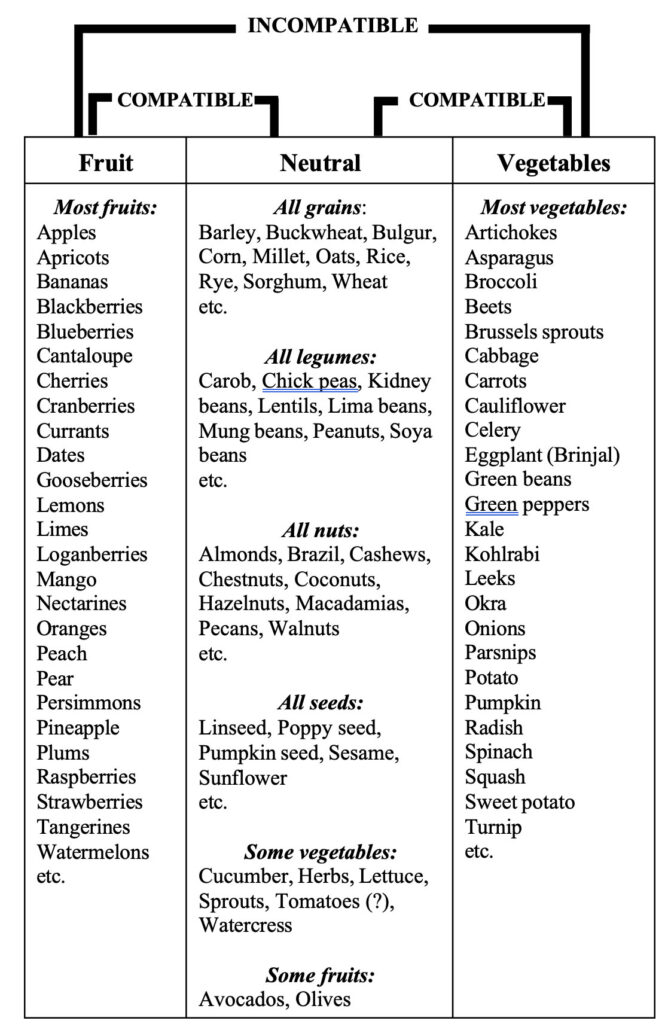
Table 7.4. Compatible combinations of plant foods.
It is important to vary the diet. Variation must be the watchword for healthful living. Some foods contain components which will suppress the uptake of vitamins and minerals in other foods, so that even if all the elements required by the system should be present in one meal, not all of them may be maximally utilized in that particular combination. By varying the
combinations, however, we not only make life more interesting, but we also ensure a balanced uptake of essential nutrients.
Combining grains and legumes
If a vegan vegetarian diet is followed, protein needs must be met by combining plant protein sources, as plants generally do not contain complete proteins. All plant foods contain some protein, and the digestion of these proteins will contribute to the amino acid pool from which the body will construct its own proteins. The body does not store proteins as such, but the amino acid pool is maintained for a sufficient period of time to augment amino acid requirements from one meal to the next and it is therefore not necessary to obtain all the required amino acids during any one meal. Nevertheless, it is important to ensure that foods containing balanced proportions of all the essential amino acids be consumed over a 24-hour period, even if they are not consumed at the same meal.
Some vegetarians follow very restrictive diets where nutritional needs are supplied by only one, or a few plant food sources such as rice, but such diets will be totally inadequate. Although, the quantities of essential amino acids in plant foods are not the same as those in animal foods, proper combinations will supply all the body’s needs.13,31 One such combination is the combination of grains and legumes, which supplies a protein of exceptional quality. The amino acid profiles of individual grains and legumes do not always supply adequate quantities of the essential amino acids if eaten by themselves, but if eaten together, or separately over a 24-hour period, the amino acid pool will be supplied with all the essential amino acids the body requires.
Grains are relatively low in the amino acid lysine, and supplementation with legumes or nuts will provide excellent protein. Legumes and grains go well together as the simple peanut butter sandwich will demonstrate, and preparing meals that contain both of these plant protein sources will not only provide nourishing meals, but will also give peace of mind. Adequate nutrition for young children is always a matter of concern, and whilst legumes or grains might be adequate for adults, the combination is more than adequate, even for young children. Studies in rats31 and humans confirm that suitably combined vegetarian foods supply up to many times the minimum essential amino acid requirements.32
The concern for adequate proteins often leads to an overemphasis of legumes and nuts in the vegetarian diet, and the proportions in which these foods are consumed are mostly incorrect. Heavy protein dishes consisting largely of legumes, will not only produce flatulence, but will also lead to excessive protein katabolism with its associated problems. When combining grains and legumes, the quantity of grains should exceed that of the legumes or other high protein source. Legume dishes can be made very tasty by incorporating vegetables into the recipe as in the case of casseroles, and this will naturally make the legume dish less concentrated.
Much can be learnt from Eastern, Middle Eastern and Mediterranean cultures regarding the use of whole foods such as whole grains, legumes, seeds and nuts in the preparation of tasty dishes. A whole new range of tastes and textures is available from these foods that will more than compensate for any foods given up in the interest of health.. These foods can be purchased from health shops, but as these are often quite expensive it may be wise (and fun) to scout around farming co-operatives and Eastern markets, particularly Indian, Malaysian and Chinese markets, to obtain the best buys. Furthermore, a few modern kitchen appliances such as a strong blender and mixer will greatly increase the range of dishes that can be prepared, and will also be a time saver. Expensive kitchen appliances are not essential to adopting this lifestyle, as has been proved by the many tribes that have not had the advantages of modern technology at
their disposal but enjoy a healthy lifestyle based on whole foods.
GRAINS
Grains have formed the mainstay of human nutrition for thousands of years, and it is indeed a pity that modern man has so restricted the use of this primary food source in his diet. The few grains that are still consumed are robbed of most of their nutrient value through the process of refining, and it is therefore not surprising that this generation is characterized by disease and obesity. Refined foods supply largely empty calories, and they not only rob the body of essential nutrients, but they also take away one’s appetite for wholesome foods. Eating whole grains will certainly lead to improved health and they can provide a whole new eating experience. The grains can be prepared in many ways as long as the components are not removed by refining.
Grains are classed as carbohydrate foods, as they contain on average 75% starch, and in addition to starch, whole grains contain some 10-15% protein, 2% fat and are also rich in fibre, vitamins and minerals. Grains contain important quantities of the B-group vitamins, and if incorporated regularly in the diet they can contribute substantially to the daily requirements for this group. Ascorbic acid (vit.C) is lacking in grains, but if sprouted, this vitamin is also produced. Vitamin A and D are also absent in grains, but yellow maize contains the carotenoids cryptoxanthin and small amounts of α- and β-carotene, which are vitamin A precursors. Grains also contain anticarcinogenic compounds such as inositol hexaphosphate and other compounds with suspected anticancer activity (see table 7.18).
The germ of grains contain tocopherols (vitamin E) which are natural antioxidants and protect the body against the formation of free radicals. The germ also contains some complete protein, and the vitamins in the germ are essential to carbohydrate and fat metabolism, but because it is the component of wheat that spoils first, it is mostly removed in the refining process. Thiamin, riboflavin, niacin and vitamin B6 are all present in grains, but the quantities can vary depending on the kind of grain and on the soil and climatic conditions. The bran is rich in the B-complex vitamins and fibre, but it is also removed in the refining process.
Refined grains rob the body of essential dietary components and will lead to decreased vigour and gastrointestinal disturbances, particularly constipation. In modern societies it has become customary to offset this imbalance by adding wheat-germ or bran to the diet. Indeed, some modern breakfasts can consist almost entirely of bran under the assumption that one is getting a good, healthy start for the day. Eating a daily ration of fibre in one meal, does nothing for subsequent meals and contributes little to solving the problems associated with a low fibre diet. The nutrients in a high bran and wheat germ diet are in the form of proteins, fats and minerals. However, the protein and mineral composition of bran and germ are totally disproportionate to the overall needs of the body as the ratio of protein to utilizable carbohydrate is such that energy requirements must be met by metabolizing proteins or fats. Unrefined grains will supply primary nutrients, vitamins and minerals in well-proportioned quantities. They will ensure gastric regularity, and lead to better overall health.
Whole grains can be used in a variety of ways: The grains can be soaked and cooked whole like rice, they can be sprouted and eaten raw or cooked in stir fries etc., porridges can be prepared from cooked rolled grains or liquidized soaked whole grains, grains can be used in baked dishes or in patties or they can be roasted and used in muesli and granola. Sprouted grains, or
grains soaked to the point of sprouting, can be eaten raw but most grains should be well cooked before eating because they contain protein inhibitors which inhibit the activity of digestive enzymes.33,34 These inhibitors are, however, inactivated by heat or sprouting. Grains (dry or soaked) can be readily frozen for storage if they are to be kept for long periods of time. Again, it can be emphasised, that it is important to concentrate on variety, as different grains have different attributes as the following discussion will show.
Barley (Hordeum vulgare or H. sativum)
The composition of barley is presented in table 7.5.
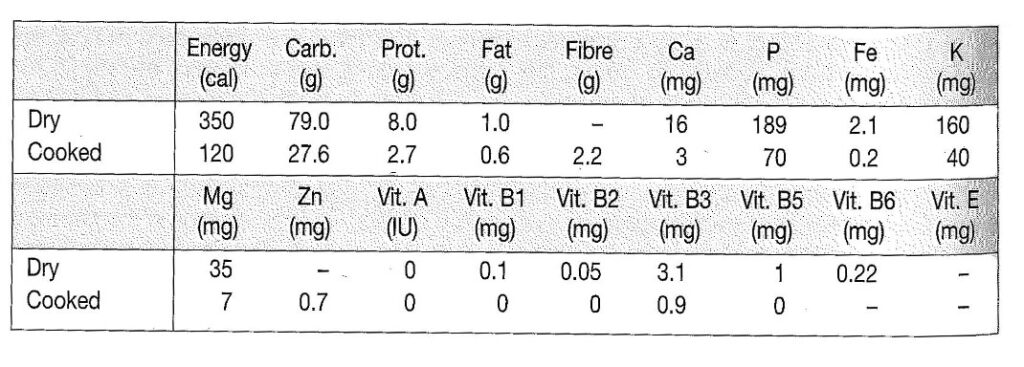
Table 7.5. The composition of barley. The figures are for 100g portions. (From ref. 35,36,37.)
There are many varieties of barley, and it has been cultivated for centuries, particularly for the preparation of beer which was already drunk by the ancient Egyptians.38 Besides being one of the major raw materials of beer, it was used as a food source by the ancient civilizations of China, Egypt, Greece and Rome, and in countries with cold climates it is still used extensively today. Barley is known for its heat-producing qualities and should become a regular component of soups, stew and breakfast cereals, particularly in winter. Barley can also be used in baking where it will add flavour and retain moisture, and if sprouted, it will add even greater nutritive value to the diet.
Barley is easy to digest and is rich in pantothenic acid (vitamin B5) which is essential for the intermediary metabolism of carbohydrates, fat and protein. Because vitamin B5 is incorporated into co-enzyme A, it is involved in the release of energy from carbohydrates and in the metabolism of fatty acids which probably accounts for barley’s heat-producing qualities.
Corn (maize, mealie) (Zea mays)
The composition of corn or maize is presented in table 7.6.
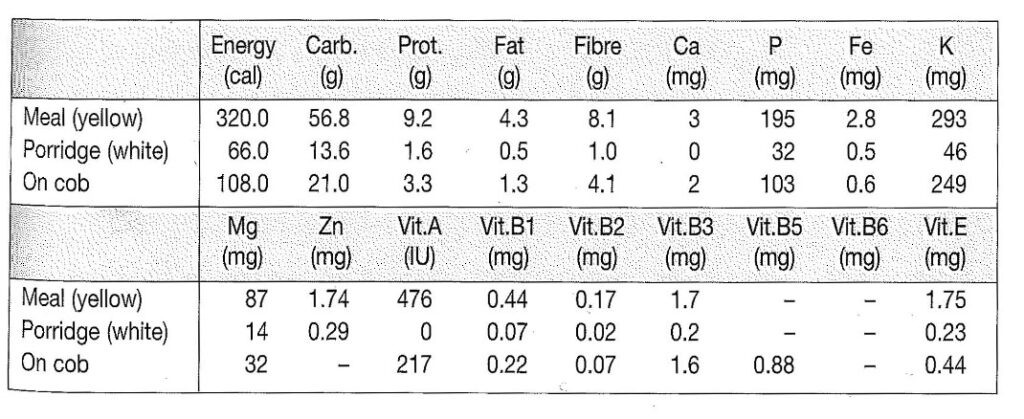
Table 7.6. The composition of corn. The figures are for 100g portions.(From ref. 35,36,37)
Corn often means different things to different nations, but most often it refers to the grain which grows on the cob. It is also known as maize and it forms the staple diet of many nations. Corn was cultivated in South America where the American Indians referred to it as “the daughter of life”. Maize meal is used extensively by African nations but unfortunately here too the refined product is nowadays preferred.
Yellow maize and sweet corn contain carotene, and thus contribute to vitamin A requirements, but overall maize is lower in nutritive value than most other grains. Furthermore, as maize meal
has a large capacity for water absorption, it is not advisable to rely extensively on cooked maize meal porridges to supply one’s energy needs, as a look at the composition table will show. It should be noted that cooked maize meal porridge will absorb up to six times its mass in water, and if eaten as the sole energy supplier will thus fill the stomach largely with water without providing sufficient energy. This is particularly important in the case of young children, as they have a limited stomach capacity.39,40
African people prepare maize meal in such a way that far less moisture is retained and the cooked product then has a dry, crumbly texture. This is known as “putu”, and prepared in this way the energy per volume is greatly increased. Putu can then be eaten as one would eat rice together with stews and vegetables, or it could be combined with stewed fruit to make a very palatable breakfast. Combining corn with legumes will improve the protein and mineral quality, and the quality of corn bread will thus be enhanced by adding a little soy flower to the mixture. If these points are borne in mind, corn can form a versatile, nutritious part of the diet.
Millet (Panicum miliaceum)
The composition of millet is presented in table 7.7.
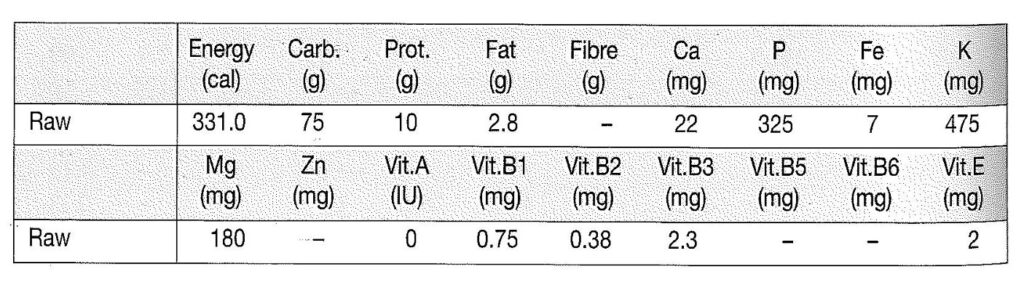
Table 7.7. The composition of millet. The figures are for 100g portions.(From ref.35,36,37)
There are many kinds of millet, but the common millet is known as Proso millet (Panicum miliacieum) which originated in Egypt or Arabia. The name Proso is the Russian name for millet. Millet is used extensively in Eastern countries, particularly India and China, and it is a must for the health conscious as it is not only highly nutritious, but is also one of the few alkaline grains. Millet belongs to the sorghum family of grains and is rich in magnesium and iron, the latter being one of the minerals that vegetarian diets can be low on. The mineral composition of millet is beneficial to the nervous system, and for arthritis sufferers this grain is highly recommended in view of its alkaline-forming properties.
Millet has a very hard outer casing and must be dehulled before it can be eaten. Many people are disappointed with millet because they buy the intact seed, which is suitable for birds, but provides quite a chewing experience for humans. Dehusking is normally done mechanically, and the dehusked product can be bought from health outlets. If millet is not available in the area in which one lives, then it is worthwhile ordering it by post. Millet is also a very versatile grain, and it can be prepared in a variety of ways. Prepare a millet porridge for breakfast or liquidize the cooked grain and use it to form the basis of delicious puddings. Millet flour can be used in conjunction with other flours in baking, and the high soluble fibre content gives the flour excellent binding qualities so that it can be used for binding patties, nut and legume roasts and can substitute for eggs in recipes that require eggs for binding.
Oats (Avena sativa)
The composition of oats is presented in table 7.8.
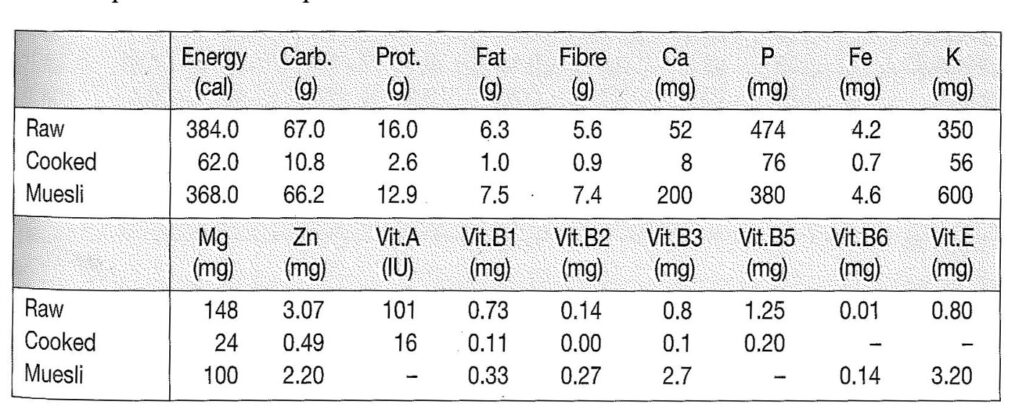
Table 7.8. The composition of oats. The figures are for 100g portions. (From ref. 35,36,37).
Whole oats is the best grain source of calcium, and together with its other minerals contributes to healthy bones and teeth. Moreover, oats has the highest fat content of all the grains and is second in terms of protein quality. The fat in oats is rich in oleic acid and the essential fatty acid, linoleic acid, and oats thus has an excellent fatty-acid composition. Another endearing quality of oats is its natural fibre composition which, in view of its unique blend of soluble fibres, assists the body in keeping cholesterol levels down and also ensures that the products of carbohydrate digestion are released slowly into the bloodstream. This ensures a constant supply of energy to the body rather than the glucose surge associated with refined foods. All these qualities combined, make oats, together with fruit, the ideal breakfast food.
It has long been known that the fibre in grains has an effect on cholesterol and triglyceride levels, and tends to reduce the levels of both.41 It has now been clearly established that oat bran is not only the most efficient in achieving this objective,42 but that the LDL cholesterol level, associated with arterial disease, is furthermore lowered by oat bran.43 Sustained slow release of glucose during starch digestion is highly desirable to prevent hypoglycaemia and to ensure a constant supply of energy to the system. Here again it is oats fibre which outperforms all other grains in preventing glucose surges by slowing down the rate of glucose release.44
Oats is one of the few grains which requires very little to no cooking and is, therefore, ideally suited for raw consumption in the form of muesli. Consumption of uncooked oats will also supply more energy per spoonful, as the stomach will not be filled with the water that the grains so readily absorb. This is why a muesli or granola breakfast is ideally suited for young children with their limited stomach capacity. Together with nuts and dried fruits, oats will provide a champion breakfast.
The best oats to purchase is either coarsely rolled oats, or groats which is the dehusked whole grain of oats. The latter can be obtained from health stores and some seed outlets and is highly recommended. If a grain mill is available, or even a coffee grinder, the groats can be freshly ground and used in many dishes to add flavour or to thicken and to bind. Groats can also be cooked whole like rice and can be eaten as such or it can be eaten as a breakfast grain together with fruit. Another advantage of eating muesli, granola or the whole oat berries, is that it will compel one to properly chew one’s food, and as starch digestion commences in the mouth, this is particularly important. Finally, oats is the ideal food for convalescing or sick people as it is easily digested and serves to improve the electrolyte balance.
Rice (Oryzia sativa)
The composition of rice is presented in table 7.9
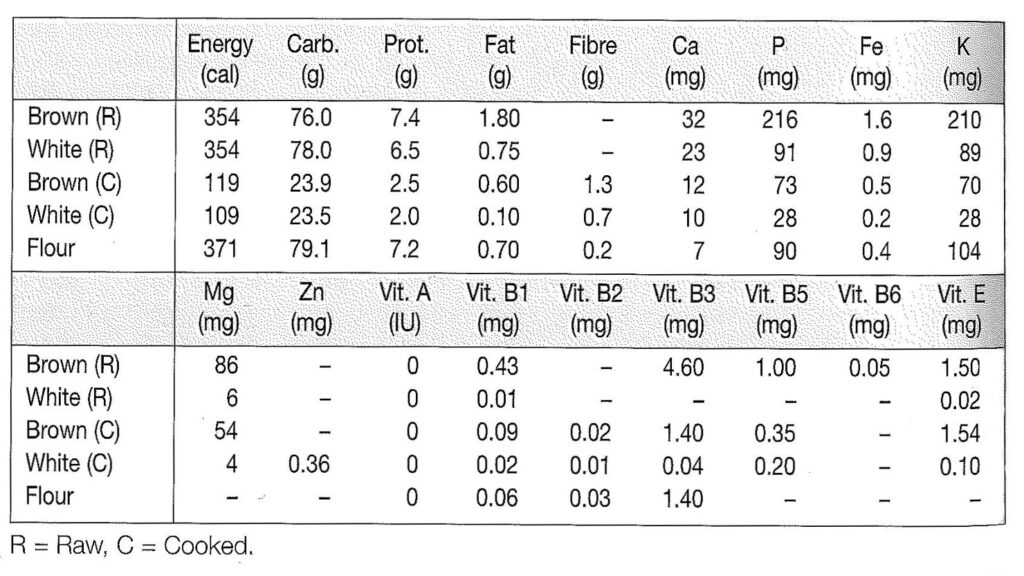
Table 7.9. The composition of rice. Figures are for 100g portions. (From ref. 35,36,37).
The commonest rice species is Oryzia sativa, and the different varieties of this rice can be divided into two main groups, the japonica and the indica types. The japonica types are the short-grained varieties, whereas the indica types are the long-grained varieties. Besides these, there are also many other varieties of rice, of which some grow on unflooded plains. Rice was first cultivated in India and today it is one of the most extensively used grains in the world, with China and India producing most of the world’s crop. Modern transport has, however, made rice available to virtually every country in the world. Like millet, rice belongs to that elite group of alkaline grains and should thus play an important part in our diet, as alkaline forming-foods should form the bulk of our daily nutrient intake.
Even a cursory glance at the composition-table of rice, will show that brown rice is far superior to white refined rice in terms of its nutrient content. It almost seems that, whenever nature provides something exceptionally good, then man must rob the product of its exceptional components. Refined rice should not form a regular component of the diet, as it will lead to all the pitfalls associated with a highly refined diet. Some complain, that brown rice is to chewy compared to refined rice. This problem can be lagely resolved by soaking the rice before cooking it, but it should also be remembered chewing is beneficial in terms of the digestive process.
The protein in rice is the perfect partner to the proteins in legumes and the combination of these two will provide a complete protein. Moreover, of all the grains, rice has the best percentage available protein. There are many varieties of rice on the market, so there is room for experimentation. Moreover, rice flour can be used for creating a variety of exciting dishes as well as cakes and puddings.
Rye (Secale cereale)
The composition of rye is presented in table 7.10.
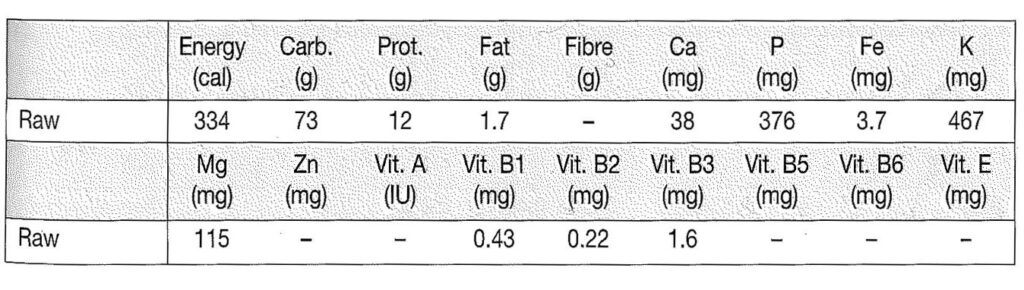
Table 7.10. The composition of rye. The figures are for 100g portions. (From ref. 35,36,37).
Rye probably originated in Afghanistan and Turkistan, where the wild species still grows today. Rye has only been in circulation since the bronze era,45 and since that time it has become firmly established as one of the major grains of Europe. Rye is well adapted to colder climates and gives yields over shorter periods of time than do other grains. In the past, rye was considered a weed and in America it is still sometimes referred to as “black wheat” and even in Europe it was still designated as cattle fodder in the 1980 European Community listings.45 The Germans are particularly fond of rye, and they would certainly balk at the idea that rye could be termed cattle fodder.
Rye is rich in minerals, particularly potassium, and also contains substantial amounts of the B-group vitamins, however, it is relatively gluten-free and thus will produce very firm, dense bread, such as pumpernickel, if baked by itself. The best way to achieve the best baking results with rye flour, is to combine it with wheat flour or to use the grain Triticale, which is a hybrid of wheat and rye, and can be used to bake delicious ready-made rye bread. The combination of rye and wheat flour will produce a lighter bread and improve the protein quality, and do wonders to the flavour.
Sorghum (Sorghum vulgare)
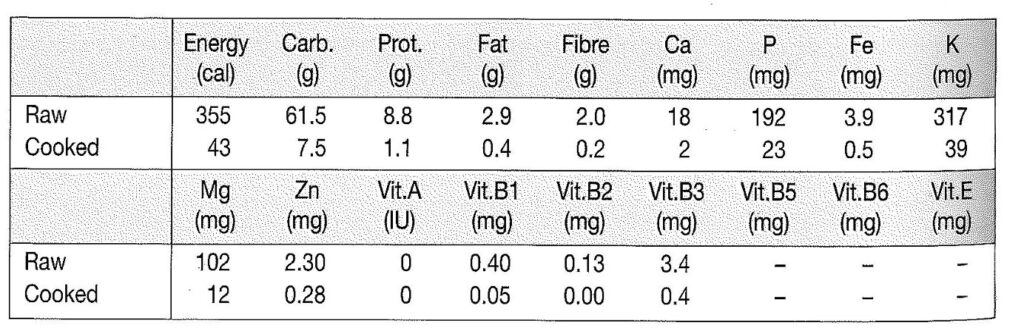
The composition of sorghum is given in table 7.11.
Table 7.11. The composition of sorghum. The figures are for 100g portions. (From ref. 35,36,37).
Sorghum is native to Africa and Asia, and it is an alkaline grain which is available in both a red and a white variety. This grain is widely used as cattle fodder, but man can certainly benefit from its consumption. Sorghum flour can be combined with wheat in bread, added to other grains and cooked as a porridge or it can be cooked as a porridge by itself. The whole grain is available from seed shops, farming co-operatives or from health outlets. In order to make one’s own flour from sorghum or to make porridge, a wheat mill can be used or, the grain can be blended together with water in a high-speed blender until smooth and creamy. Home-prepared sorghum has a rich flavour, probably because more of the volatile components are retained compared to bought sorghum products.
Wheat (Triticum)
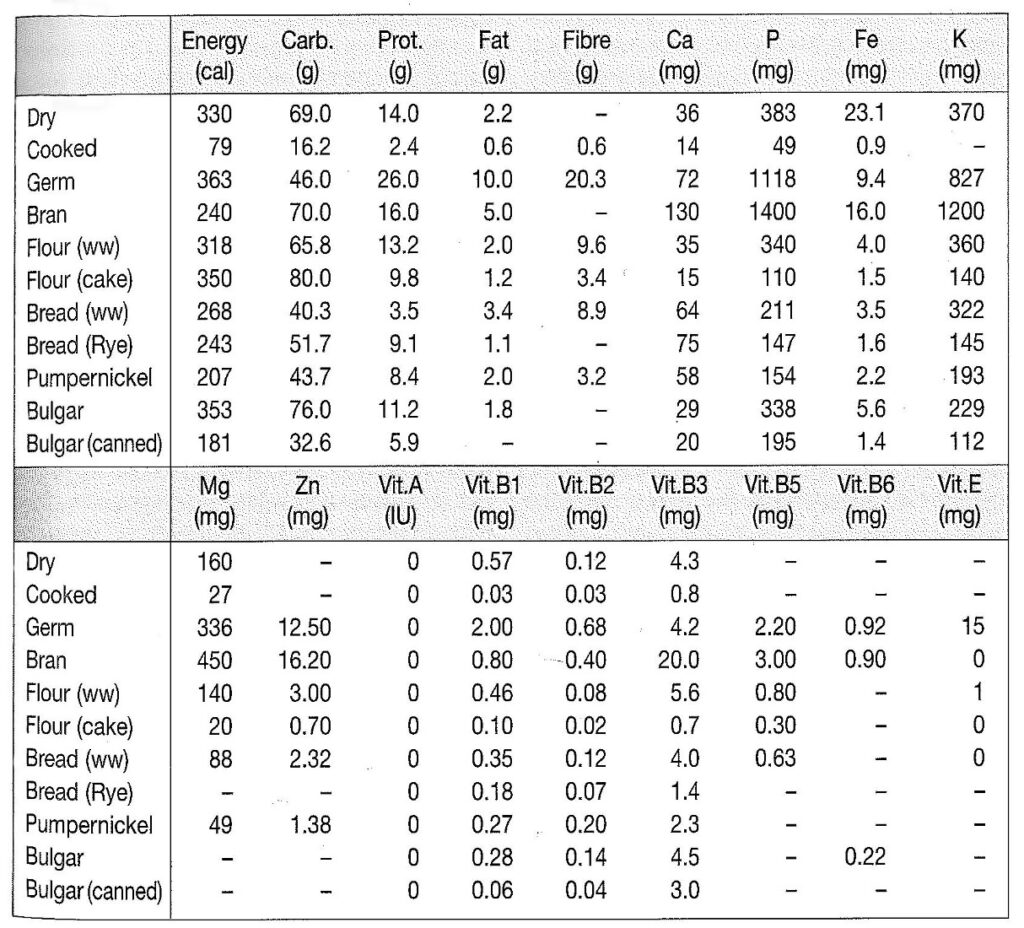
The composition of wheat and wheat products is presented in table 7.12.
Table 7.12. The composition of wheat and wheat products. The figures are for 100g portions. (From ref. 35,36,37).
Different varieties of wheat are grouped according to the number of chromosomes which their somatic cells contain. After rice, wheat is the most-used grain crop in the world. The world’s annual harvest of wheat exceeds 95 million metric tons per year (that of rice is 186 million tons) and for billions of people it is the staple grain. Wheat has been grown for thousands of years, and the rise and fall of nations has been determined by the success or failure of the wheat crop. Many strains of wheat have been developed, but the development of short-stemmed varieties, that are less prone to wind damage, has revolutionized the wheat industry. However, traditional wheat varieties still have their place in many areas of the world, because they are adapted to particular areas and are resistant to local diseases.
Whole-grain wheat is one of the best sources of primary protein, and also supplies essential minerals and vitamins in appreciable amounts. The components of wheat all have their own unique properties. The bran is very different from the rest of the seed in that it has a high-fibre content and also contains a fair amount of lipids. The germ, on the other hand has a high-lipid content, and although wheat contains only about 2% lipid in total, the separated germ contains approximately 12% lipid and is also rich in vitamin E. Finally, the endosperm consists of cells containing starch granules and protein, and the composition of these proteins is most important in determining the baking quality of the flour.
Another important product of wheat is Bulgur wheat, also known as lapsi or cracked wheat. bulgur is one of the staple grains of Middle Eastern countries, particularly Turkey. Traditionally, wheat is cooked in large tin-lined copper pots on an open wood fire, and then it is laid out on clean sheets to dry in the sun. Subsequently it is sent to the mills where it is cracked, and the recipes for its use depend on the final size of the cracked grains. Bulgur wheat is a very consumer-friendly wheat, as it is pre-cooked and thus takes very little preparation time. It also has a unique flavour and is very palatable. Bulgur is normally prepared like rice, and sautéd together with onions and green peppers it is particularly tasty. In some countries it is not readily available, but most health outlets should stock it.
Bread
The protein composition of wheat gives it its unique character, and also makes it possible to bake a leavened bread. Bread is the staff of life and should form an essential component of a healthy lifestyle. Even a cursory glance at the composition tables will show that bread provides vastly more energy and nutrients per unit mass than does any other cooked grain. The reason for this lies in the fact that a large proportion of the water, added in the preparation, which to begin with is only a one to one ratio, is evaporated during the baking process, thus providing a high-energy food which should take pride of place in our diets. Furthermore, bread prepared from whole-grain flour will not be fattening and will contribute substantially to one’s overall health and well-being. There is nothing as pleasant as the aroma and taste of a good home-baked bread, and no home should have to forgo the pleasure of enjoying this commodity. In today’s society the art of bread baking has to a large extent been lost, and modern milling techniques have so changed the composition of wheat flour, that it has, indeed, become difficult to produce a product which will impart all the goodness of whole wheat.
In the past, wheat was milled by stone mills, and all the components of the wheat would be finely ground. Modern mills no longer use stones, and they automatically separate the components of the wheat. Milling involves successive stages during which the bran, the germ and the endosperm are gradually separated from each other. Most mills today use rollers to crush the wheat, and in the first crushing, the rollers are set relatively far apart, thus merely cracking the wheat kernels. Separation of the components is achieved by sieving or bolting, and successive rollers produce finer and finer products. The first process removes most of the bran, and during the crushing action of the rollers, some of the fat in the germ is squeezed out, thus allowing the germ particles to stick together. The high lipid content of the germ causes this component to be lighter than the rest, and it is therefore also readily separated by shaking and bolting. At each stage the fine flour consisting mainly of the endosperm accumulates, and eventually forms the bulk of the milling process. By combining and blending the different components of the milling process, many different flour varieties are produced, but the germ is seldom used in these combinations, in view of its spoiling qualities.
A good wholesome bread should contain all the components of wheat, and it is advisable to scout around for a supplier of whole flour. Some mills will still produce a whole flour, or they will be willing to produce such a product upon request. Failing this, flour can be obtained from stone mills which are still operative, or the grain can be milled in household mills which are becoming more and more popular. Bread baked from stone, or home-ground flour, is a feast and will be difficult to give up once one has developed a palate for it. Bread is so versatile. By the addition of different ingredients it is possible to change the whole character of a loaf of bread. Adding herbs, onions or garlic will produce a delicious savoury loaf, whereas the addition of sweet ingredients or fruits, will produce a totally different culinary experience. The art of bread baking should be regained.
The art of bread baking.
Sadly, many people have given up baking home baked bread, particularly whole-wheat bread, because they have obtained such poor results from their attempts. Often the bread produced is good for building houses, but totally unsuited for human consumption, and so the prospective bread baker has given up in despair and reverted to buying light and fluffy commercial products. This need, however, not be the lot of anyone if a few elementary procedures were rigorously adhered to. As with any other subject, it is always better to adhere to procedures if the principles involved are first understood, so before addressing the subject of bread baking, a brief discussion of the chemical process seems appropriate.
The chief proteins found in all cereals are prolamines and glutelins, and the relationship between these proteins varies from grain to grain. Wheat is unique, in that it contains a prolamine called gliadin, and a glutelin called glutenin in approximately equal proportions.
The presence of gliadin and glutelin in the endosperm of wheat, gives wheat flour its unique baking qualities, because in the presence of water and mechanical agitation, these two protein fractions will form a tough, elastic complex known as gluten.46 Gluten does not occur as such in wheat, but it is formed when the dough is kneaded and it will form an elastic, gummy product as the gluten will absorb water and swell up to 200%. The properties of the gluten, that is formed in the kneading process, will depend on the quality of the flour but in general, hard wheats will form a gluten of good strength.
The gluten that develops in the kneadIng process, acts as a trap for the gases produced by the yeast, which is added to the dough mixture to make the bread rise. The mixed dough must have the texture of chewing gum, which should not break when attempting to spoon out a portion, but should be elastic with good stretching ability. The yeast produces carbon dioxide as an excretory product during the fermentation period, and because it also produces new offspring, which also produce carbon dioxide, the dough will rise as the gas becomes trapped in the gummy gluten mixture. Some strains of yeast produce more gas than others and a number of other components of the dough also influence the rate of gas formation. As yeast is a living organism, it is obvious that it will only grow vigorously if its nutritional needs are met.
Yeast cells utilize sugars to provide for their metabolic needs, and as these are broken down, carbon dioxide is produced as a by-product. The sugars present in flour are mostly glucose, fructose and sucrose, with the first two being present mainly in the germ which is mostly removed in commercial flours. To speed up the rate of fermentation, sugar is normally added to the mixture, but as too much sucrose in dough will slow down the rate of fermentation, it is advisable to bear this in mind when adding sugars to the mixture. The bread recipes given in this book thus use monosaccharide sugar sources to circumvent this problem.
The quality of bread thus depends on a few fundamental principles, which if adhered to should greatly improve the product which is produced. The lightness, texture and taste of the loaf will be determined by the quality of the grains used, by the combination of grains used, by what is added to the dough and by the mechanical preparation of the dough.
Mechanical preparation:
The gluten can be developed either by mixing or kneadIng, but it is essential that it is developed sufficiently to trap the carbon dioxide produced by the yeast. Undermixing will produce a heavy, dense bread which is difficult to digest, and will also discourage the baker. Overmixing will produce a sticky, less rubbery mixture which can also decrease the volume of the loaf.
Other ingredients:
The ingredients added to a dough mixture are very important and will influence the quality of the end-product. A few factors to consider are:
- Grains: In general the addition of flours, other than wheat, will produce denser loaves of bread, but the flavour and nutritional value can be improved. It is advisable to experiment until a happy compromise is reached which suits one’s individual taste.
- Sugar: Sugar can be added as yeast nutrient, but a fructose or glucose source would produce faster and tastier results. It is suggested that fruit or dried fruit such as raisins be added in liquidized form to provide a monosaccharide sugar form.
- Malt: It is often customary to use malt extract, and malted barley in bread recipes, but this practice should be limited, as the malt contains proteolytic enzymes which break down the gluten in the dough, making it sticky, difficult to handle and producing a tacky bread of poor volume. Proteolytic enzymes also occur in the wheat flour itself, and this is desirable as it improves the gluten, however, too much will produce adverse results and that is why an addition of enzymes in malt and malted products can cause a problem.
- Salt: Sodium chloride (table salt) improves the quality of the gluten that is developed, and can thus be added to the bread mixture. Salt will also improve the taste.
- Milk: Milk contains factors which increase proteolytic enzyme activity, and raw or pasteurized milk should not be added to the dough.
- Heat: Finally it should be remembered that grains contain factors which will limit their digestibility, but as these factors are normally neutralized by exposure to heat, it is advisable not to bake very large loaves of bread, so that the heat can penetrate deep into the loaves during baking. This will also ensure that the yeast cells are all killed during the baking process, as it is not advisable to ingest live yeast cells, as these will rob the body of essential nutrients. Live yeast cells, like all living organisms, require nutrients in order to continue their life processes and will thus absorb vitamins and nutrients from the system. If the loaves are, however, small and well-baked, the yeast cells will be killed and will themselves be digested thus adding to the nutrient supply.
The production of a quality bread is thus influenced by many factors, but adherence to the few principles outlined above, will produce an acceptable product. With a little practice and experimentation, it should, however, soon be possible to produce bread of the highest quality.
LEGUMES
As mentioned previously, legumes form the perfect companions to grains in terms of providing balanced proteins. Moreover, they supply an abundance of essential fatty acids, complex carbohydrates, vitamins and minerals, and most of them are alkaline forming. Like the grains, legumes supply far more nutrients on a weight basis than do foods with a high water content, making them the ideal energy food particularly for young children.47 Legumes generally have a low-fat content, but some varieties have considerable concentrations of fat, thus greatly boosting the energy content of these varieties. Underweight people could benefit from a higher consumption of the fat- and energy-rich varieties such as chick peas and soya beans in particular. Peanuts also have a very high energy content and they also have the highest fat content (49.2g/100g), but in view of their acid-forming character and oxalic acid content their use is often discouraged. It is encouraging to know that vegetarians cope well with the oxalic acid in foods, a fact which has been coupled to the absence of animal proteins.29,30 Legumes with a high-fat content can also be used to make milk substitutes, and in this regard, the soya bean must rate supreme, however, most of the high-protein/high-fat varieties can be used to make highly nutritious milk substitutes.
Legumes have received some bad press, because their consumption is associated with flatulence and intestinal discomfort. If a few basic principles about their physiology and composition were understood, and the preparation adjusted accordingly, these side-effects could all be avoided. Dried legumes are dormant seeds that will only germinate under the right
conditions. The nutrients and enzymes required during germination and early growth of the plant are thus inactive, and will only become active once the conditions are right for germination. The activated enzymes will then liberate nutrients from the stored foods in the legume as required by the developing plant. The enzymes present in the seeds include lipases, proteases and carbohydrate-digesting enzymes such as amylase which are similar to the enzymes found in the digestive tracts of humans. These enzymes are dormant in the dry seeds, because specific enzyme suppressants present in the seeds inhibit their activity. These enzyme suppressants will also inhibit the activity of human digestive enzymes and reduce the availability of nutrients from legumes
Salivary and pancreatic amylase inhibitors have been found in grains and legumes, a trypsin inhibitor is present in black-eyed peas, kidney beans, lima beans, navy beans and soya beans,48 and lipase inhibitors have also been isolated from soya beans.49 Moreover, legumes contain tannin and phytic acid which render minerals unavailable for absorption, and in addition they contain carbohydrates such as raffinose and stachyose which are not broken down by human amylase. Raffinose is a trisaccharide consisting of glucose, fructose and galactose, and stachyose is a tetrasaccharide consisting of glucose, fructose and two molecules of galactose. These two oligosaccharides form additional storage carbohydrates, besides starch, and are only converted to a usable form when the seeds germinate. The list seems daunting indeed, and is enough to discourage anyone from eating legumes. If, however, we realize that these substances are rendered inactive during germination, then we merely have to simulate this process in order to eliminate the problem of suppressants.
Soaking, germination, fermentation, and cooking all reduce the effect of phytate and tannin in legumes,50 and germination and cooking will also destroy the enzyme inhibitors.34 Enzymes within the legume will then be activated, and raffinose and stachyose will be broken down, and the longer the germination process is allowed to continue, the lower the concentrations of the oligosaccharides will become. Sprouting legumes is thus the ideal way of improving their digestibility, and even if the sprouts are blanched before eating, it will not reduce the quality or the content of the proteins within the legume.51 The quality of the proteins in beans, will also be improved by cooking, particularly if moist, rather than dry heat is used to prepare the legume.52 Roasted legumes such as roasted peanuts or soya beans will, therefore, have poorer protein quality than the cooked product. The digestibility of legume proteins can also be increased by changing the method of processing. The proteins in legumes are only partially digested in the small intestine if they are eaten whole, but if they are liquidized before eating, then the protein can be 90% digested.53
It is essential to soak beans in plenty of water before using them (soak overnight or preferably longer) and discard the excess water as this will remove some of the tannin and will also activate the enzymes in the legume. It is not sufficient to soak the beans in just enough water so that all the water is soaked up into the beans, as this will not remove the suppressants. Soaking overnight in plenty of water is normally sufficient, but longer soaking periods are even more beneficial. Regular rising and discarding of the water will remove most of the suppressants and will eventually lead to sprouting, and once they have reached this stage they can be eaten raw without ill effect. Soaked beans can be placed in freezer bags and frozen for later use, thus eliminating the waiting period. If desirable, the husks of the beans can also be removed, and this will increase the protein content and lower the fibre content. Soaked legumes can then be cooked as is, or liquidized and used in a variety of recipes. Sprouting is one of the best ways of consuming legumes, but soaked and cooked legumes, particularly if properly prepared, are very nutritious, wholesome foods that can form a regular component of the diet.
Gas production will also be reduced if smaller portions of legumes are consumed during mealtimes as soaked, and even cooked legumes, will still contain some carbohydrates which cannot be broken down by human amylase and these resistant starches will pass through to the
colon where bacteria will break them down anaerobically. The products of this fermentation process will be short-chain fatty acids and gas, and the fatty acids will be absorbed by the mucosa of the colon, and form the nutrients of choice for these cells.54 The digestion-resistant carbohydrates are not digested in the small intestine, but they are fermented by the colonic bacteria and contribute to the increase in the number and bulk of the bacterial population. They also aid in the absorption of water, thus increasing the faecal bulk, they contribute to the production of anticarcinogenic compounds (see chapter 3), and thus offer protection against large bowel cancer.53,55,56 It has been argued, the presence of phytic acid residues in legumes can adversely affect the bio-availability of iron in legumes, but it is ironic that the ability of phytic acid to chelate iron is also responsible for its antioxidant and anticarcinogenic properties.57,58
As stated earlier, variety in the diet is what is required in order to gain the most benefit out of all types of foods, and fear of shortages of nutrients need not exist if this principle is followed. Fear of dietary protein shortages often prompts people to consume large quantities of legumes in a highly concentrated form, and the legume is then blamed for intestinal discomfort. Highly concentrated protein dishes of any kind, including high protein legumes, will increase the proportion of undigested protein entering the large intestine, which in turn will increase the concentration of potentially harmful substances derived from nitrogen.
If the above criteria are followed, legumes can form a trouble free component of the diet that provides numerous benefits including protection against degenerative diseases. Use raw sprouted legumes in salads, or enjoy them together with bread and fruits. Use soaked or sprouted beans in stews, roasts or patties and eat them in combination with grains to provide high quality protein and variety on the table. There are so many different kinds of legumes with so many different tastes and textures, that it will take a lifetime to sample them all. Some of the more common varieties include pea varieties such as chick peas and split peas and then there are the lentil varieties and kidney beans, lima beans, mung beans, soya beans, broad beans, carob beans and even the humble peanut. In this section only a few of the stalwarts will be discussed with which one can stock the kitchen, but by scouting around the markets many more varieties can be discovered which can provide a variety of tastes and textures to liven up ones diet. Table 7.13 gives the composition of some of the most commonly used legumes.
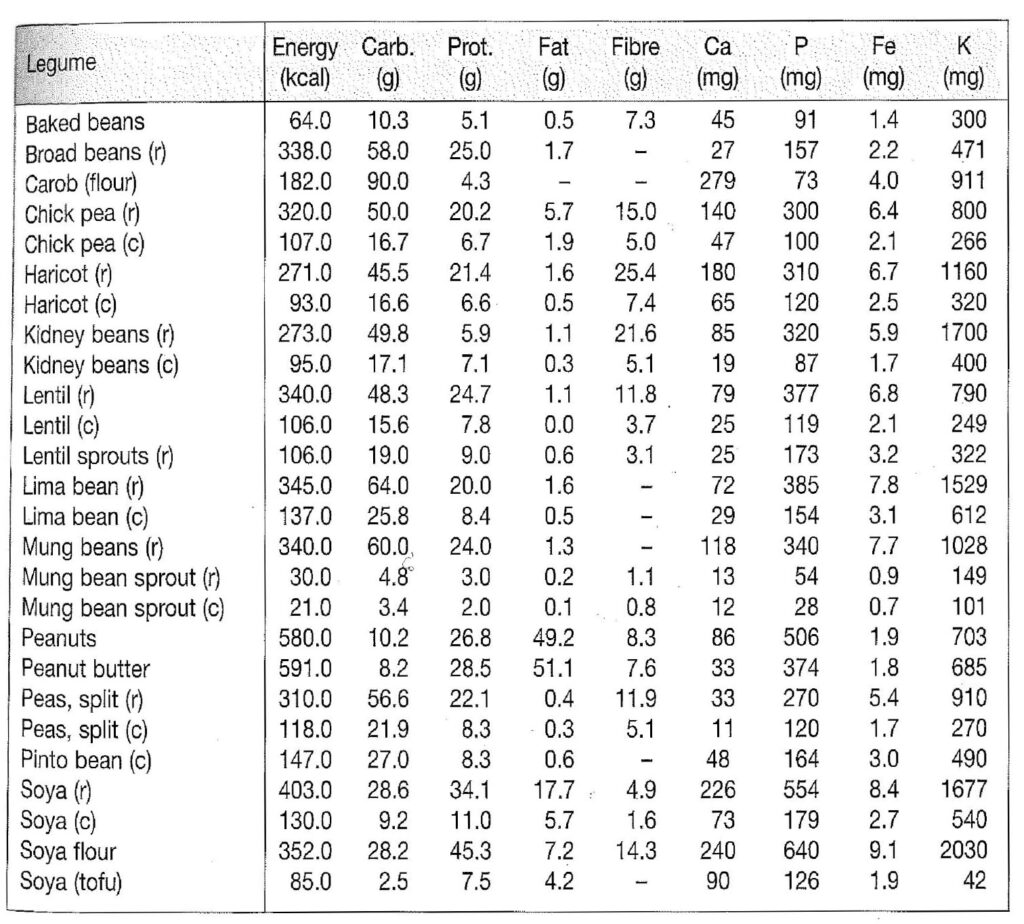
Table 7.13. The composition of selected legumes. The figures are for 100g portions. (From ref. 35,36,37)
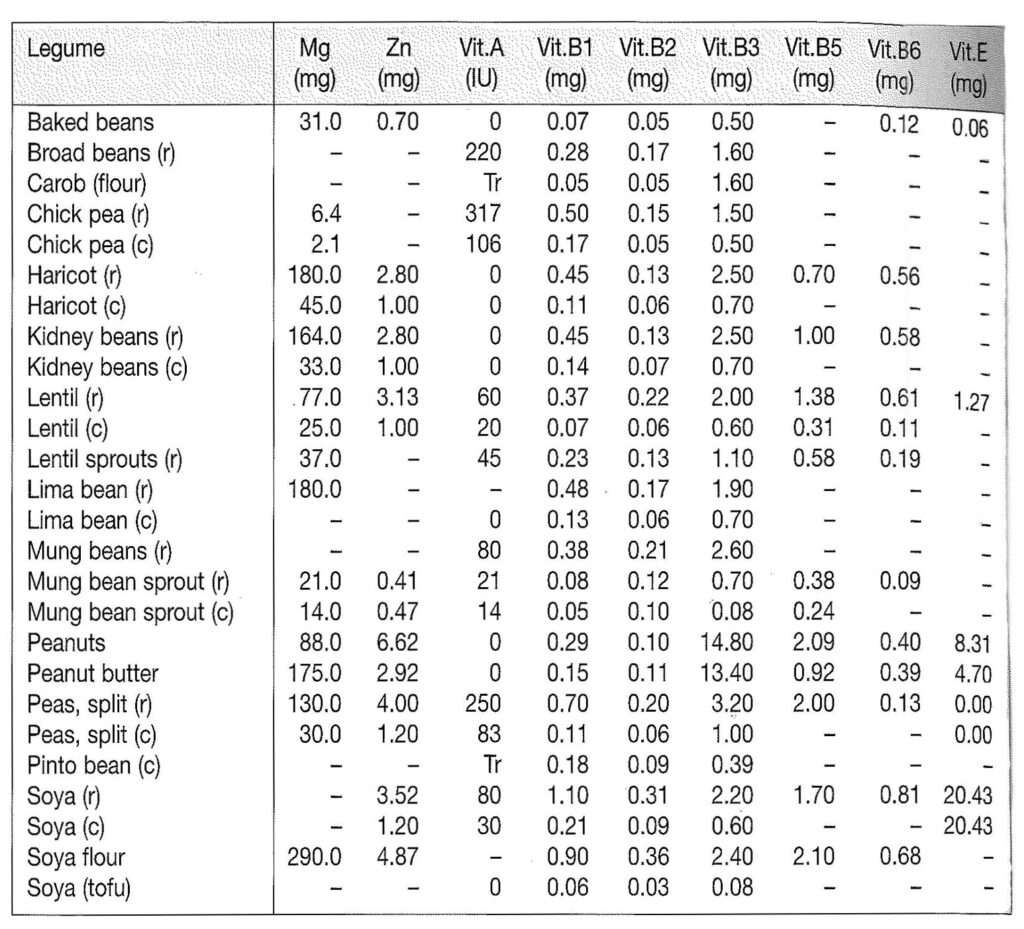
Table 7.13 (Part 2). The composition of selected legumes. The figures are for 100g portions. (From ref. 35,36,37)
Carob (Ceratonia siliqua)
The carob tree is native to Mediterranean countries and its seeds are borne in large, long pods. The tree is a member of the locust family of plants and it is probable that this is the food source used by John the Baptist in Biblical times. It is from this background that the fruit of the carob tree is also known as ‘St. John’s bread’. The carob bean has a singular composition, as much of its carbohydrate source is in the form of fructose rather than complex carbohydrate. Carob is also rich in vitamins and minerals, particularly calcium, has a low-fat content and contains 8% protein. Furthermore, it contains pectin which ensures that the fruit sugar that is present is released gradually into the bloodstream. The natural sweet taste of carob, makes it the ideal substitute for cocoa and cocoa products such as chocolate.
In the Middle East, carob is very popular and is used extensively for making sweets and
drinks. Indeed, the carob tea vendor is a marvellous sight in the streets of the ancient cities of Palestine.
Carob powder is a must in the kitchen and can be used to make hot `chocolate’ drinks as well as to give a chocolate flavour to puddings, fruit and ‘milk’ shakes and cakes. Carob chocolate can also be purchased from health shops and some enlightened supermarkets, and as carob is caffeine free, it can be used with a clear conscience and is safer for children. There are different varieties of carob powder available, ranging in taste from sweet to bitter, and it is advisable to purchase the sweet varieties if they are to be used for sweetening purposes.
Chick peas (Garbanzo) (Cicer arietinum)
Chick peas are native to western Asia and are very popular in Mediterranean countries, and many traditional dishes are prepared from this versatile legume. In Middle Eastern countries hummous, which is a mixture of chick peas, sesame seeds, oil, spices and lemon juice, is prepared from chick peas, and falafel, which is the filling for Arab bread, also has a chick-pea base. Chick peas can be used in stews, roasts, patties and a variety of spreads including an excellent substitute for butter. Sprouting greatly improves the protein, vitamin and mineral availability and also reduces the concentration of indigestible carbohydrates present in the pea. Chick peas are a very rich source of iron, and even cooked chick peas will supply almost double the amount of iron of an equivalent portion of steak. Calcium levels are also high in chick peas, exceeding those of steak by many times, and in view of the protein composition of the peas, more of this calcium can be retained than if the protein were of animal origin. Furthermore, a meal combining grains, particularly rice, with chick peas, will supply a complete protein meal superior to that of meat.
Kidney beans (Phaseolus vulgaris)
The genus Phaseolus includes a great variety of beans including the variety used for making baked beans, and more and more strains of this genus are being developed and cultivated worldwide. The beans were originally cultivated by American Indians and were also used extensively on the islands of the West Indies. After the discovery of the New World, they were introduced into Europe in the 16th century and since then have also been known as ‘French beans’, a name that has become associated with the green varieties that are served in the pod as a vegetable.
Kidney beans can be prepared in many ways, and it is always useful to consult the merchants in oriental markets as to the traditional ways of preparation. Some varieties of kidney beans are very large and soft so that they can be fried and served as a substitute for meat products. Some of the more common varieties of dried beans that can be tried, include the common haricot beans, navy beans, calico beans, snap beans, Mexican black beans and pinto beans. Pinto beans are an excellent source of protein, and are also very tasty.
Bean diets are known to lower cholesterol levels and improve the HDL:LDL ratio by as much as 17%.59 In a study done on canned beans, it was found that serum cholesterol levels were lowered by 13% and triglyceride levels by 12% after just 3 weeks of use, when compared to controls.60,61 This is good news for people suffering from cardiovascular diseases, and beans are thus highly recommended for keeping cholesterol and blood-fat levels in check and improving the overall health status of the cardiovascular system. Canned beans (depending on brand) can cause flatulence, as the beans are either not soaked for sufficient time periods, or in
a large enough volume of water to eliminate the enzyme suppressants. Nevertheless, canned beans are healthy and convenient, but nothing beats home prepared beans in tomato or other sauce. Normally the small white varieties of kidney beans are used to prepare beans in tomato sauce, but another bean which can be used to create tasty dishes is the adzuki bean (Phaseolus angularis) which also contains some 20% protein.
Lentils (Lens esculenta)
Lentils are native to western Asia, from where they were introduced to the Mediterranean region. Lentils are a must for every household. They require very little preparation time if properly prepared, and supply a superb package of nutrients. Because of the small size of some lentils varieties, lentils are often cooked like rice without pre-soaking. This is not a harmful procedure in itself, but because the lentil also contains the enzyme suppressants and digestion resistant storage carbohydrates common to legumes, it is advisable to soak them like any other legume before cooking. Lentils have always formed an important component of the human diet, and indeed, birthrights have been sold for them. They have also been found in Egyptian tombs, presumably because pharaohs believed that lentils would sustain them even after death. Lentils are known to be an energy food, and this is probably due to the high concentration of B-group vitamins in combination with the carbohydrates present in this legume. This combination makes them the ideal food for active people like hikers and sportsmen. The carbohydrates in legumes are released slowly into the bloodstream after digestion, thus ensuring a steady, sustained supply of sugar to the system. The slow release of glucose into the bloodstream provided by legumes can be very beneficial to people suffering from hypoglycaemia, and it also ensures that the active person will be able to produce a sustained energy output over a long period of time. Lentils are rich in minerals, particularly iron and contain substantial amounts of proteins. Of all the legumes, however, lentil proteins have one of the lowest amino acid scores,62 which means that the combination of amino acids present in this legume are of such a nature, that they will not supply adequate quantities of essential amino acids if eaten by themselves. The answer again lies in combining lentils with grains, particularly rice, for a balanced supply of essential amino acids. Lentils are ideal for sprouting, and the nutrient value is improved by this process. Sprouts provide a good source of vitamin C, and the vitamin B content is also improved by sprouting. Lentils sprout very readily and are versatile in their use. Try lentil sprouts in soups and stews, or eat them raw in salads or on sandwiches.
Lima and Sieva beans (Phaseolus lunatus)
Lima beans are indigenous to tropical America, and in Britain they are known as butter beans. They are also known as siava beans, pole beans or curry beans. Lima beans are a high-energy food with a high carbohydrate content, and they are easy to prepare as they require less cooking time than most beans. The protein content of lima beans is high and they have a high amino acid score which once again will be much improved by combination with grains. One of the endearing qualities of lima beans is that they have a soft, creamy texture and are 13,1% alkaline forming. Furthermore, they have a high concentration of potassium, magnesium, iron and calcium. Lima beans can be used like peas, and they can be incorporated into many different dishes and make excellent bean loaves.
Mung beans (Vignia aureus)
Mung beans are native to India and they form an important component of the human diet in Asia, where the whole or split seeds are used. Mung beans can be sprouted, cooked or ground into a flour. Mung beans provide an important protein source, and together with cereals, provide complete proteins. In the East, the beans are either sprouted, or used to make Dhal, soups and curries, and in India, foods such as Idli and Dosa consist of mixtures of rice and mung beans.50 The popularity of mung beans has also increased in Western cultures and mung beans, particularly sprouts, are being used more and more extensively. The beans can be ground into a flour, which can be used to make noodles, breads and biscuits.
Mung beans belong to the genus Vignia comprising a number of related species, of which the cow pea (Vignia unguiculata) and the mung bean (Vignia radiata), have all been cultivated for human consumption for centuries. Cow peas are extensively cultivated in African countries and are relatively cheap. This factor, and the fact that they have a very high-protein concentration (ranging from 22.8-26.8g/100g dry matter) make them ideally suited to the extraction of bean milk to be used as infant formulas in poorer countries. Such milk-extracts contribute more protein to the RDA of both infants and children up to three years of age, than does human milk.63
Mung beans are deficient in sulphur amino acids such as methionine, but they are rich in lysine, so it is important to include grains in the diet to gain the maximum benefit from the high protein concentrations that are present. It is also important to remember that the processing techniques discussed earlier be applied when preparing mung beans, as they also contain enzyme suppressants, indigestible carbohydrate varieties and substances which interfere with ion absorption. Soaking, cooking and sprouting, all reduce the concentrations of these metabolic suppressants and the sprouted mung bean in particular is highly nutritious. Sprouting mung beans, reduces the quantities of raffinose, phytic acid and tannin, and it increases the quantities of glucose, galactose, sucrose, folic acid, vitamin C and inorganic phosphorous. Furthermore, the bio-availability of iron is increased by sprouting, fat metabolism is stimulated, and the digestibility of protein is enhanced.50 Sprouts should be allowed to grow for at least 3 to 4 days, as the nutrient availability increases with time, and after 72 hours of sprouting, the true digestibility of the proteins will be improved by as much as 12.8% over that of the ungerminated bean. Raw sprouts will provide a high-vitamin content, and whilst stir frying or blanching of mung bean sprouts will have little effect on the protein and fat availability, it will reduce the vitamin C content by as much as 50%. As a whole food diet, which includes plenty of fruits and vegetables, supplies ample vitamin C, there is certainly nothing wrong in using sprouts in stir fries occasionally.
Soya beans (Glycine max)
Soya beans have been a staple food throughout Asia for thousands of years, and according to tradition was one of five sacred crops named by Chinese emperor Sheng-nung. It is only recently that the soya bean has been introduced into Western society, and apparently it was first brought to the United States in 1804 as ballast on board a ship.64 It was not until 1890 that soya bean crops were being considered, and by 1917 only 50 000 acres were under cultivation in the United States. From this humble beginning, soya bean production in the United States has steadily increased, and today it is the second most important cash crop in that country, and produces about half of the total world crop. Sadly most of this is used for animal fodder, but the potential for human nutrition is being recognized more and more. Indeed, the consumption of whole and processed soya products has increased dramatically, though not always for the correct reasons.
Whole soya beans are an excellent source of protein, and after peanuts, is the legume which contains the most oil. In addition, soya beans are a good source of fibre, calcium, iron, zinc, phosphorous, magnesium, thiamin, riboflavin, niacin, and folacin. It is, therefore, not surprising that the greater stamina of northern Chinese over their rice-eating southern counterparts is associated with the consumption of soya beans. Today, whole soya beans and traditional soy products such as tofu, soy milk, miso, and tempeh are being consumed more frequently in the Western world, and in addition a new generation of soy products has been developed which tends to substitute for meat and dairy products. These second generation soy products tend to be low fibre, and are high-protein foods, which in the interest of healthful living should not form a regular component of the human diet. In the United States, 90% of soya beans consumed by humans is in the form of soy-protein products.64
The proteins in soya beans are of a very high quality, but as is the case with most legumes, the levels of sulphur amino acids can be limiting. Soy-protein isolates, however, contain sufficient quantities of all the essential amino acids, including the sulphur amino acids, to meet the needs of adults, and probably infants as well. In fact, isolated soy protein is the sole protein source for some infant formulas.65 Combinations of soya with grains will, however, definitely supply adequate quantities of essential amino acids for all age groups. The fibre found in soya beans is also very beneficial as it not only facilitates the movement of food through the intestines, but also has a considerable cholesterol-lowering effect.65
Whole soya, and products made from whole soya, will certainly benefit the consumer, and can more than adequately replace animal products. It is important, however, to follow the general procedures of preparation for legumes, as soya beans also contain the enzyme suppressants and indigestible carbohydrate components common to the legume family. The concentrations of these compounds are considerably reduced through soaking and heat treatment, thus largely eliminating their adverse effect on digestion and bio-availability of nutrients. The small concentrations of suppressants which remain, are insufficient to hamper nutrient availability, and can play an important role in disease prevention, as many of these compounds have been recognized as anticarcinogens.
Compounds in soya beans which act as anticarcinogens are the isoflavins, protease inhibitors, phytic acid, saponins, phytosterols (eg. phytoestrogen) and phenolic acid.64 Isoflavins in soya beans are present in fairly high concentrations and seem to offer protection against mammary cancer, and may even protect against endometrial and ovarian cancer.64 It has been suggested that the low incidence of breast and colon cancer in countries such as Japan and China is diet-related, and may be linked to the high consumption of soya beans in these countries. In 1990 the National Cancer Institute held a workshop to examine this relationship.66 The protease inhibitors in soya beans are largely destroyed by heating, but not all activity is destroyed.64 Raw soya beans do have high concentrations of these protease inhibitors and these could adversely affect protein utilization and have been known to cause pancreatic hypertrophy in rats. However, in populations that consume cooked soya bean products no such adverse effects have been noted. The principle protease inhibitors in soya beans are the kunitz trypsin inhibitor and the Bowman-Birk trypsin and chymotrypsin inhibitor, but these compounds also inhibit colon, lung and oral cancer. In addition, the protease inhibitors also suppress the transformation of cells into malignant cells, and they suppress the production of other carcinogenic compounds such as hydrogen peroxide.64 The small quantities of inhibitors consumed will thus, on balance, be beneficial to the consumer.
Cooked whole beans and soya products such as tempeh, natto and miso still contain most of the nutrients present in the unprocessed beans, but in the case of soy milk and products prepared from this milk, some of these nutrients are lost. Soy milk and soy milk products such as tofu and soy cheeses will be low in calcium, and this should be borne in mind when planning to substitute soy milk for cow’s milk in the diet of children. Table 7.14 gives the nutrient composition of some common soy foods.
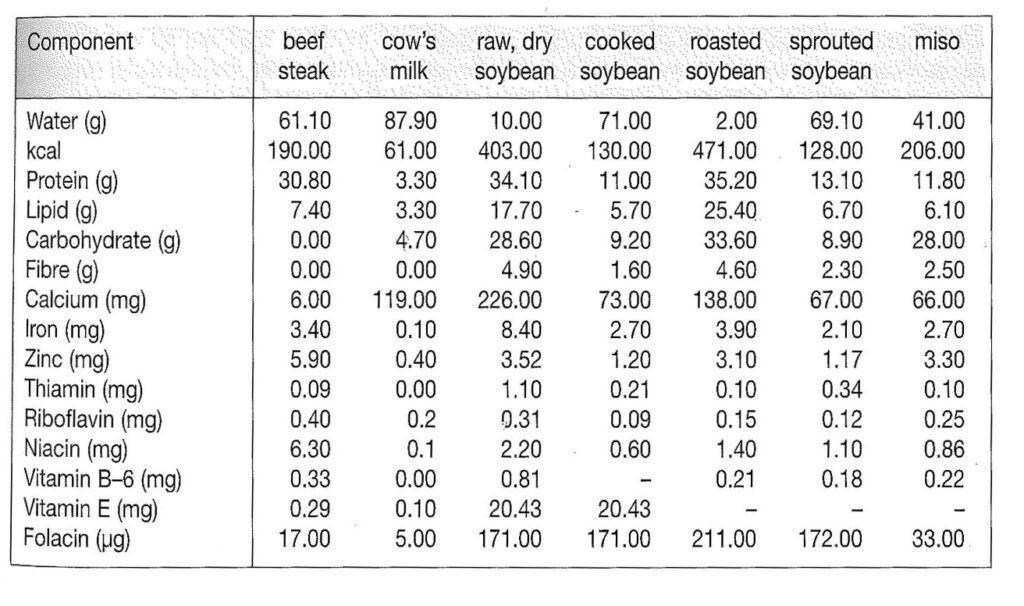
Table 7.14. Composition of selected soyfoods per 100g portions. Values for steak and cow’s milk are given for comparison. (Adapted from ref. 37, 64)
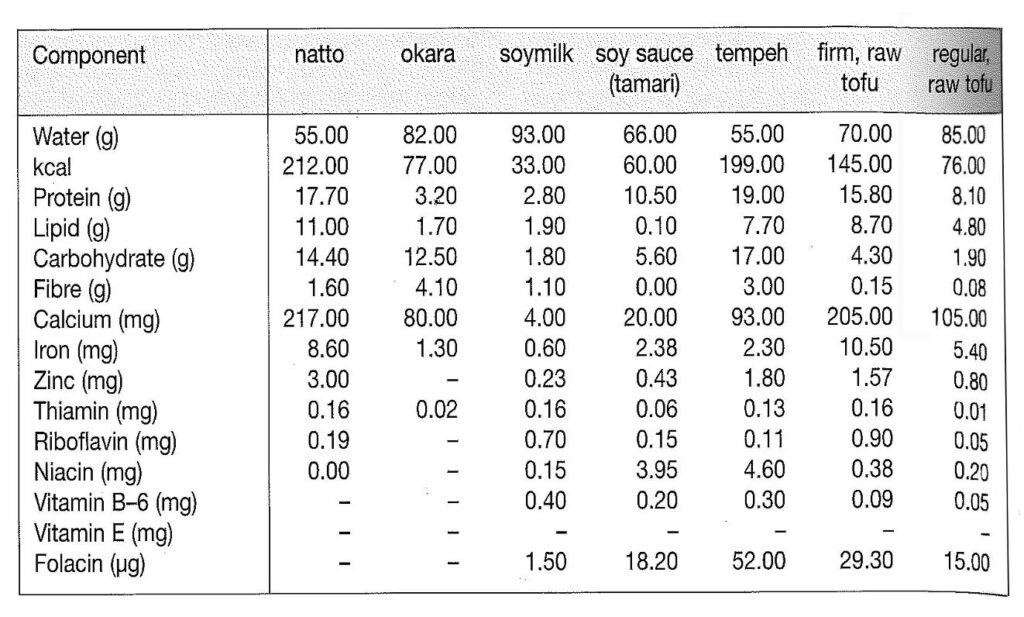
Table 7.14 (Part 2). Composition of selected soyfoods per 100g portions. Values for steak and cow’s milk are given for comparison. (Adapted from ref. 37, 64)
Miso = Cooked soybeans inoculated with the bacterium Aspergillus oryzae, fermented and pressed into a paste. Natto = Cooked soybeans innoculated with the bacterium Bacillo natto, fermented, and commonly wrapped in straw.
Okara = The pulp remaining after the extraction of soymilk from the beans. Roasted soybeans = Whole soybeans that are dry or oil roasted until crunchy.
Soymilk = Soaked soybeans are heated in hot water, liquidised, squeezed through a cheesecloth to obtain the soymilk.
Soy sauce = Cooked soybeans innoculated with the bacterium Aspergillus oryzae, shaped into nuggets, incubated, mixed with salt and the mash (called moromi) aged. It is then pressed to yield Soy sauce (tamari).
Tempeh = Cooked soybeans innoculated with Rhizopus oligosporus, producing a chunky cake.
Tofu = Soymilk is coagulated with either calcium or magnesium salt (nigari), and the curd pressed. The degree of pressing produces hard or soft tofu.
Soy milk.
Soy milk is an excellent substitute for cow’s milk and is far more digestible and compatible with human nutritional requirements than is cow’s milk. The amount of fat in soy milk is less than that of cow’s milk, but the oil in soy beans consists mainly of mono- and polyunsaturated fats and is cholesterol free, in contrast with the fat in cow’s milk which consists of saturated fats and is not cholesterol free. The oil in the soya bean and soya bean milk also contains a considerable quantity of essential fatty acids, particularly α-linolenic acid, and thus provides a convenient source, together with whole grains, for meeting the body’s requirements for these essential fatty acids. In addition, soya beans are also rich in vitamin E, thus preventing harmful oxidation of these polyunsaturated fatty acids.
In contrast to cow’s milk, the proteins in soy milk are readily digestible and do not produce the adverse side-effects associated with casein, the principle protein of cow’s milk. Casein is known to elicit a hypercholesterolaemic effect when fed to a variety of animals, and will even result in the animals developing arteriosclerosis.67 These effects were diminished in rabbits if casein was replaced with soy protein.67 With the exception of vitamin B-12, soy milk also contains substantially higher concentrations of the B-group vitamins than does cow’s milk. Vitamin B-12 can, however, be added to home-made soy milk, as is currently being done in the case of commercial soy milks and infant formulas. Contrary to popular belief, fermented soy products also do not contain vitamin B-12, except if it was added or is present as a contaminant. The vitamin B-12 that is presumed to be present in these foods is in the form of analogues, and not as cobalamine, which is the active vitamin.68
In the past, soy milks were rather unpalatable as a result of a strong beany flavour, however, this drawback has to a large extent been eliminated and sales of soy milk have rocketed in countries where the new generation of milks is readily available. The beany flavour of soy milk is caused by the action of enzymes such as lipoxygenase during the preparation process.
Modern processing thus inactivates lipoxygenase through heat treatment whilst at the same time ensuring that the solubility of the other soya proteins is not too greatly affected, as this would reduce the amount of soluble protein that can be extracted from the milk. Heating soaked, dehulled beans to 80-85°C for not more than 2 minutes will inactivate the lipoxygenase whilst still allowing 80% of the protein to be extracted from the beans.69 It was also found that soaking dehulled beans at 70°C for 5 minutes prior to liquidizing and extracting of the milk would reduce the n-hexanal content of the soy milk and improve the flavour.70
Commercial soy milk and soy products are a great time saver, but for the industrious or for those living in areas where these products are not available or too expensive, soy milks can be prepared at home, which will rival any of the modern commercial products. Moreover, the concentrated soy bean extract can be used to make a variety of sauces and soy cheeses such as tofu, which is obtained by precipitating the protein from the milk. These products can be incorporated into many dishes to improve their nutritional value, texture and taste. Try some of the recipes given in the last chapter.
NUTS AND OILSEEDS
Nuts provide numerous health benefits and are one of the best sources of primary proteins, essential unsaturated fats, minerals and vitamins. The combination of nutrients in nuts is superior to that found in any animal product, and nuts should, if possible, become a regular component of the diet. Nuts have a high-fat content, but in view of their exceptional nutrient density, they offer concentrated nutrition with a relatively low-calorie content. In spite of their high-fat content, nuts will not be fattening if consumed in moderation. Unfortunately, nuts are quite expensive, although this depends on the grade of nuts and the place of purchase, and the inclination is to forgo the pleasure of making regular use of this commodity. Most nut recipes will require that the nuts be liquidised or processed in some way, and one can purchase broken nuts which are cheaper, for this purpose. On a weight-for-weight basis nuts are very good value for money and, in addition, the versatility of nuts makes them a culinary delight. Nuts can be eaten raw, they can be used to prepare delicious nut milks, creams and sauces, and they can be used in a variety of other ways in cooked meals. It only takes a small quantity of nuts to achieve great results, and even expensive nuts can be used for making creams and milks that will compare favourably in price with dairy products. Where economic considerations are paramount, however, oilseeds can be used to substitute for many of the qualities of nuts, and they can replace nuts in most recipes which require them.
The protein composition of nuts and oilseeds is of exceptional quality, and the essential amino acids are well supplied. The proteins are also readily digestible, and do not require the excessive stomach acid secretion necessary for the digestion of animal proteins, thus making them totally compatible with other plant foods. Moreover, just 150g of nuts will supply all the protein needs of the average adult and it should thus be self-evident why the addition of even small quantities of nuts to meals will ensure that the amino acid requirements are met.
Nuts and oilseeds have a high fat content, but the fat is present as unsaturated fats, and the accessory nutrients required for metabolizing these fats are also present, thus ensuring maximum utilization of these nutrients without the detrimental effects associated with the use of animal fats. The fatty acids, palmitic acid, oleic acid and linoleic acid form the largest portion of the fatty acid composition of nuts71 and seeds, but the relative amounts of these vary in the different products. In nuts, the monounsaturated fats, rich in oleic acid, are the most abundant, and nuts thus provide a healthy source of energy whilst at the same time being
friendly to the cardiovascular system. Almonds, for example, contain 52% fat but 67% of this is in the form of monounsaturated fat and this, together with the proteins and fibre in whole almonds, contributes to a lowering of blood cholesterol levels.72 The high-oil content of nuts can thus be of particular benefit to people living in cold environments to provide additional heat energy.
The oils in whole nuts and seeds also come prepacked with antioxidants which prevent the formation of free radicals which are associated with tumour development. Antioxidant substances have been found in sesame seeds,73 and vitamin E, a natural antioxidant, is present in high concentrations in whole nuts and seeds. Other compounds in seeds and nuts also contribute to a lowering of cholesterol levels, thus making these high-fat foods extremely user friendly. In this regard, it can be mentioned that sesame seeds contain the compound sesamin, a lignin from sesame oil, which lowers cholesterol levels by decreasing the rate of absorption from the intestine, increasing the rate of faecal excretion and inhibiting its formation in the liver.74 For vegan vegetarians, nuts and seeds together with oil rich legumes form the most important source of fats, and it is essential that these be used to effectively to maintain adequate body weights. It is important to note here again that growing children need higher proportions of fat than adults, and nuts and seeds can be used to augment their fat supplies.17 Even adults that struggle to maintain adequate BMI’s, can increase their fat consumption by adding more of these oil rich foods to their diets.
The nutrient and amino acid composition of some of the more common nuts and seeds is given in tables 7.15 and 7.16.
Almonds Prunus amygdalus (var. dulcis)
The almond tree, Prunus dulcis, is closely related to the peach, plum and apricot tree, but the seed rather than the fleshy fruit, is the edible portion. The seeds of apricots have many things in common with almonds, and they, like almonds, are also utilized in the manufacture of traditional almond products such as marzipan. Almonds constitute the world’s largest nut crop with California producing some 70% of the total world crop annually. Almonds are available in a number of varieties, the most common of which is the Nonpareil variety which is a flat nut and has a mild, sweet flavour. Other common varieties include the Mission variety which is a round nut with a rough dark skin particularly suited to roasting, the Carmel variety which is similar to the Nonpareil variety and the California variety which is a blend of several related varieties. Another type of almond is the bitter almond which contains high concentrations of benzaldehyde, which give it a pungent flavour, and for this reason it is not widely cultivated. Almonds are the most alkaline of all nuts and this, together with their balanced composition of nutrients, makes them one of the most beneficial foods. Almonds have a 52% fat content, and 67% of this is in the form of unsaturated fat, consisting mainly of palmitic, oleic and linoleic acids.71,72 The combination of essential oils, proteins and fibre in almonds have been found to lower cholesterol levels, and almonds are also one of the richest sources of vitamin E, which is a natural anti-oxidant, preventing the formation of free radicals. Moreover, almonds supply appreciable quantities of the B-group vitamins, particularly niacin, and are also rich in calcium, and magnesium which promotes healthy nerve function. Almonds consist of 18,6% protein, and if combined with other nuts, particularly cashews and Brazil nuts, the protein availability improves. Almonds are ideal companions of cereals,75 and should, therefore, be one of the nuts of choice for muesli and other breakfast foods. Another way to enjoy almonds, is to convert them into almond butter or nut milk, the latter being particularly tasty and value for money. If almonds are blanched, then the brown skin is easily removed, and they have a milder flavour and a softer texture and nut butters made from blanched nuts may thus have greater eye appeal and a milder taste.

Table 7.15. The composition of selected nuts and seeds. The figures are for 100g portions. (Adapted from ref. 37)

Table 7.16. The essential amino acid composition of selected nuts and seeds, with values for rump steak and chicken given for comparison. The figures are for 100g portions. Values for arginine and histidine are given because they too can be limiting. (From ref. 17)
Brazil nuts (Bertholletia excelsa)
As the name suggests, Brazil nuts are native to Brazil. They consist of 14,4% protein and are the richest natural source of the amino acid methionine. Combining Brazil nuts with other nuts, particularly cashews and pistachios, or with grains and legumes, will thus greatly enhance the overall protein availability from these food combinations. Legumes are generally poor in methionine and rich in lysine, and the two thus form the perfect partners. With a little bit of imagination, meals can be prepared that are not only nutritious, but are also tasty. Use the nuts to create delicious nut butters, sauces or creams and milks, and in this way create meals which taste rich and creamy whilst at the same time being free from the unhealthy side effects normally associated with such meals.
Cashew nuts (Anacardium occidentale)
Cashew nuts are also native to Brazil and they were introduced to India by the Portuguese. Today India is the greatest producer of cashew nuts. cashew nuts are the actual fruits of the Cashew tree, but the tree also produces a false fruit known as a cashew apple, which is very popular in the regions where the trees grow. Cashew nuts have high concentrations of essential amino acids, but the methionine concentration is limiting. To obtain maximum benefit from the proteins, cashew nuts should be combined with Brazil nuts or other foods to augment the supply of methionine. Moreover, cashews are a good source of zinc and other minerals and vitamins. Cashew nuts can be expensive and it is advisable to find a supplier of broken nuts, as these are less expensive. If the nuts are to be used in cooking, it makes little difference if they are broken or whole. Nuts are easily stored, and broken cashew nuts can be bought in bulk when the price is right, and kept in the freezer.
The beauty of cashew nuts is their versatility. The low-fibre content makes it possible to create the smoothest creams which are truly delicious and unique in taste. Moreover, cashews make a superb milk and the best sauces. If blended in water, the resultant milk will naturally thicken to a creamy sauce if brought to the boil, and other ingredients can then be added to create the sauce of choice. In this way white sauces, garlic sauces, sour creams or sweet creams can be created which will be a delight, and they will be economical too. A little nut cream can also be added to stews as a finishing touch to create a stroganoff type of taste.
Chestnuts (Castanea sativa )
The sweet chestnut is a true nut, and like the oak and the beech it belongs to the family Fagaceae. Chestnuts are native to the Mediterranean region, and the Romans were responsible for their distribution in Europe. In France and in Italy, some 200 varieties of chestnuts are cultured. Chestnuts can be eaten raw, but they are normally cooked or roasted and are often used as a stuffing. One of the most delicious ways of eating chestnuts is, however with sugar, and glazed chestnuts are a popular delicacy in Europe and the Far East. In regions where chestnuts are common, they are also ground into flour and used for making porridge and even bread, or they are eaten as a vegetable. Chestnuts have a lower protein- and fat-content than most other nuts but they are nevertheless a nutritious food, rich in carbohydrates and are very adequately supplied with vitamins and minerals. In view of their composition, one can partake more liberally of chestnuts than of the other nut varieties.
Coconut (Cocos nucifera)
Coconuts probably originated on the islands of the Malayan Archipelago but today they are distributed throughout the tropical regions of the world. The coconuts are the stones of the drupes borne by the coconut palm, and the endosperm of these stones is the edible portion. The endosperm can be eaten raw, or it is dried and used in confectionery or for the extraction of oil. The oil of the coconut is unusual, in that it is rich in saturated fats (86%) and contains only small amounts of mono- and polyunsaturated fats. The oil in coconuts is best consumed in the coconut as it then comes prepacked with all the necessary ingredients for metabolizing it.
Hazel nuts (Corylus avellana)
Hazel nuts are also known as Filberts or Cob nuts depending on their country of origin. They contain a high proportion of essential oils and supply a well-balanced mixture of vitamins and minerals. Hazel nuts contain a high concentration of vitamin E which prevents oxidation of the polyunsaturated fats, and it is also one of the few nuts which contains vitamin A, which is a natural antioxidant and has cancer-preventing properties. The B-group vitamins are also well represented in hazel nuts, particularly vitamin B5 and B6. Moreover, hazel nuts are an excellent source of minerals, particularly the minerals manganese, selenium and zinc, but the protein composition is such that combinations with other nuts, grains or legumes are required in order to obtain the maximum benefit. Hazelnut butters make a pleasant spread and will add variety to the table.
Macadamia nuts (Macadamia ternifolia)
Australia is the home of the macadamia nut, but today it is cultivated in many countries, particularly Hawaii and African countries. The macadamia is a member of the protea family (Proteaceae) and the stones it produces are known for their very hard shells. Macadamias have a very high oil content (73,7%) and they make a superb, snow-white cream or milk if blended in water. The high-fat content also makes macadamia nuts ideally suited for making nut butters. Moreover, macadamia nuts are rich in calcium, magnesium, phosphorous and vitamins.
Pecan nuts (Carya illinoensis)
Pecan nuts belong to the family Juglandaceae, to which also the walnut belongs. Pecans are
native to the southern states of the USA and to Mexico. Like hazel nuts, pecan nuts do not contain high concentrations of essential amino acids, and their total protein content is also quite low. Their fat content is, however, high and they contain a good balance of minerals and vitamins, including vitamin A. The oil in pecan nuts is also rich in essential oils.71 Pecan nuts make great snacks, they can also be used in breakfast foods and be used in baking.
Pistachio nuts (Pistacia vera)
Pistachio nuts grow in very dry areas in poor soil, and they have been grown for centuries in the Mediterranean region, and are the nuts of choice in the Middle Eastern countries. Pistachio nuts are delicious, and they are excellent food value, being a good source of fibre, proteins with a good blend of essential amino acids, vitamins and minerals.76 The amino acid tryptophan is, however, in short supply, and in order to obtain maximum protein value it would be good to combine pistachios with other sources of this amino acid, such as seeds, some legumes, particularly soya beans, or cashew nuts. Pistachios are a good source of the minerals calcium, potassium and iron and they have a high vitamin A content. Moreover, they are nutrient-dense and offer an excellent balance of calories for concentrated nutrition. Pistachios can be milled, used in desserts, breads or savoury products and will be an asset in any kitchen.
Walnuts (Juglans regia)
Walnuts come in two varieties, the European walnut and the black walnut which originates from America. These nuts provide a balanced all-round nutritional package, with all the main nutritional components being present in useful amounts.77 The protein content of the black walnut is higher than that of the European walnut, but both provide excellent protein value because of their balanced composition of essential amino acids. Combinations with other protein sources would, once again, improve protein availability. Add walnuts to muesli or enjoy them just as they are.
SEEDS
Seeds provide balanced nutrient packages comparable to those of nuts, and the oil-rich seeds can substitute for nuts in many of the recipes that require nuts as an ingredient. Seeds can be used in a variety of ways to add versatility to the diet, and their health-providing properties will certainly benefit the consumer. The oil in oilseeds consists largely of polyunsaturated fats, mono-unsaturated fats and small quantities of saturated fats which come prepacked in the whole seeds with the necessary antioxidants to prevent autoxidation. The problems associated with extracted oils, as discussed in the chapter on oils and fats, do not apply to whole seeds and processed whole seeds, and whole seeds can thus be used to supply the essential fatty acids which our bodies require, and in addition they will also supply a balanced variety of vitamins, minerals and proteins of exceptional quality.
Pumpkin seeds
Pumpkin seeds are one of the best sources of primary proteins and they are packed with vitamins and minerals. The protein content of pumpkin seeds is high, and in some varieties can reach up to 31%. Moreover, it is a complete protein with all the essential amino acids being
well supplied. A handful of pumpkin seeds will supply approximately half the daily protein needs of the average person, and a comparison with steak will show that the relative quantities of the essential amino acids in pumpkin seeds exceed those of steak. Pumpkin seeds are a good source of vitamins and minerals, particularly zinc and iron, the latter occurring in more than three times the concentration found in steak.
Pumpkin seeds are relatively inexpensive, and they can be incorporated into many dishes to improve the protein quality and to enhance the flavour. To prepare one’s own pumpkin seeds, simply remove the seeds from the pumpkin, and spread them out to dry. The seeds can also be dried in the oven, and a light roasting will make them extremely palatable. Hulled seeds are easier to buy than to prepare oneself, but the unhulled seeds can be eaten as a snack, or they can be ground fine in a coffee grinder to be used in bread or protein dishes. Used in this way they add spice to the food which compares favourably to commercial stocks and food flavourants, and they improve the nutritional value of the meal.
Sesame seeds (Sesanum indicum)
Sesame seeds are a superb food originating from the Middle East, where this versatile seed has found a variety of uses. Many traditional dishes, cookies and cakes, sweets and spreads include sesame seeds as one of the prime ingredients. The most common form in which sesame seeds are available is in the hulled form, which is the form of choice for spreads and sweets, as the unhulled form is slightly bitter. Sesame seeds should be crushed or ground into a paste before consumption, as the small seeds will pass through the intestine without being digested. If sesame seeds are ground until the oil is released, a paste is formed that is called Tahini. Tahini originated in Turkey and is a nutrient-rich spread that can substitute for butter. Other Middle Eastern delicacies include Halva, a sweet that is sesame-based. Moreover, sesame seeds can be used to make a wholesome milk which can be used as a substitute for cow’s milk, and can also be used in cooking or for making home-made ice-cream.
Sesame seeds contain almost 30% complete protein of good quality, with all the essential amino acids, particularly methionine, being present in substantial amounts. The oil in sesame seeds is a mixture of the glycerol esters of oleic and linoleic acids, and it also has some unique features. It contains the compound sesamin, a lignin from sesame oil, which lowers cholesterol levels by decreasing the rate of absorption from the intestine, increasing the rate of faecal excretion and inhibiting its formation in the liver.74 Moreover, sesame seeds contain antioxidant substances73 which act as preservatives and give the ground seeds and sesame oil a long shelf life. Sesame seeds are a good source of the minerals magnesium, zinc, calcium and iron, and the calcium levels are in fact, more than twenty times higher than in steak, and the iron concentration is more than three times as high as in steak. Of course, people would consume more steak than sesame seeds and, therefore, obtain more iron from this source than from the seeds, but if sesame seeds were regularly incorporated into foods such as bread or spreads, they could make a significant contribution to dietary mineral requirements.
Sunflower seeds (Helianthus annuus)
Sunflower seeds are native to America, and contain almost 23% primary protein, and all the essential amino acids are well supplied. The 50% fat content of sunflower seeds consists mainly of polyunsaturated fats of which the essential fatty acid, linoleic acid, comprises some 30% of the total fat content, and the mono-unsaturated fatty acid, oleic acid, accounts for some 10% of the total fat content. The vitamin E content of sunflower seeds is very high, and this is
vital in view of the high levels of polyunsaturated fats. The relationship between the polyunsaturated fats and vitamin E prevents autoxidation of the fatty acids and production of free radicals. For this reason it is safe to use whole and freshly ground or liquidised sunflower seeds on a regular basis in contrast to the consumption of large amounts of extracted oils, such as sunflower-seed oil, which have been associated with an increased incidence of cancer (see chapter on fats).
Sunflower seeds are a good source of the minerals calcium, phosphorus, magnesium and iron and are one of the prime suppliers of B-group vitamins. This together with their high vitamin E and balanced primary nutrient content, makes them an energy food that we would do well to exploit. Use sunflower seeds in baking and incorporate them into breakfast foods such as muesli and granola. Furthermore, they can be used to prepare nutritious sauces and mock cheeses, or they can be added to nut or other milks to improve their nutritional value.
FRUITS AND VEGETABLES
Numerous studies have shown that the daily consumption of fruits and vegetables is associated with decreased risk of a host of diseases, including many forms of cancer.14 Fruits and vegetables are rich in substances which offer protection against this disease which has become such a major killer in our century. The substances most associated with protection against cancer include: fibre, vitamins (particularly vitamins A, C and E), carotenoids, some minerals and some organic compounds known as secondary plant compounds (phytochemicals). Pytochemicals that play a protective role against cancer include substances such as phenols, polyphenols, β-sitosterol isothiocyanates, thiocyanates, dithiolthiones, flavones and indoles which occur in many plant foods, but are particularly abundant in cruciferous vegetables such as cabbage, broccoli, cauliflower and brussels sprouts.
Vitamin A or its precursor β-carotene, found in dark-green or yellow fruits and vegetables, has been found to be particularly effective in preventing epithelial, lung and oesophageal cancer,78,79 and has also been correlated with decreased incidence of bladder cancer. Vitamin C lowers the risk of stomach and oesophagus cancer, and probably affords this protection by acting as an antioxidant in much the same manner as would vitamins A and E. The flavonoids are plant pigments which are very common in plants, and also act as powerful antioxidants,80 and probably afford their protection against cancer in this way. It has also been found, that the consumption of vegetables in general, and cruciferous vegetables in particular, induces enzymes which rid the body of harmful metabolites, thus acting as powerful cleansers and reducing the risk of cancer.81
Approximately 14 classes of phytochemicals, which can block cancer development, have been identified, and it is even envisaged that these compounds could be routinely added to commercial foods to act as cancer preventers. The concentration of these phytochemicals is, however, relatively low in natural foods, and excessive intake in this way would probably do more harm than good. The best way to obtain maximum protection against disease, is to consume the foods as nature intended, by following a whole-food programme. In table 7.17 a list of foods with cancer-preventative properties is presented in the order of importance as currently understood, and in table 7.18 the distribution of the major phytochemicals in food plants, associated with cancer prevention, is presented. The precise mechanism of action of these phytochemicals is not yet fully understood, but current understanding of their impact on cancer initiation and promotion is summarised in figure 3.5.
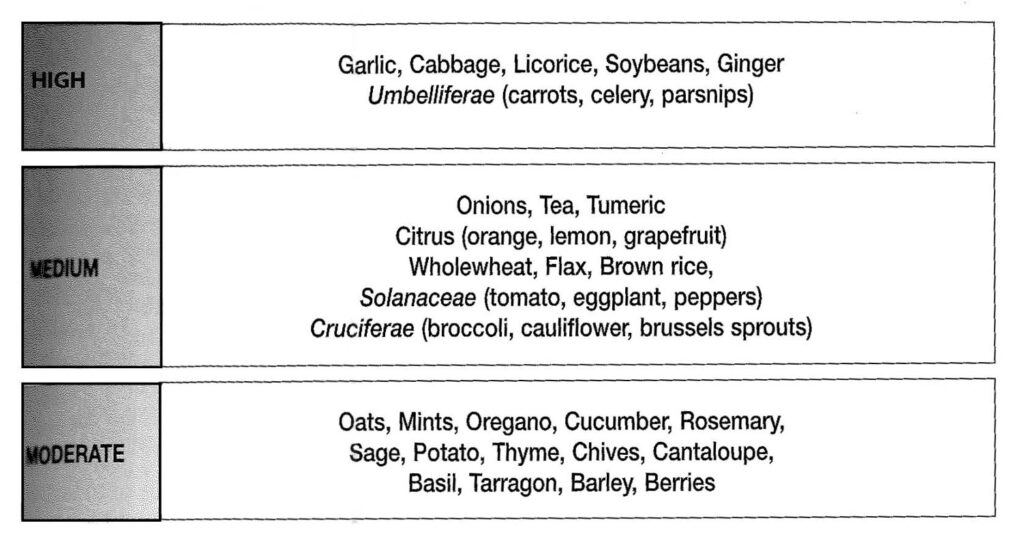
Table 7.17. Possible cancer-preventive foods and ingredients arranged in order of effectiveness. (Adapted from ref. 82).
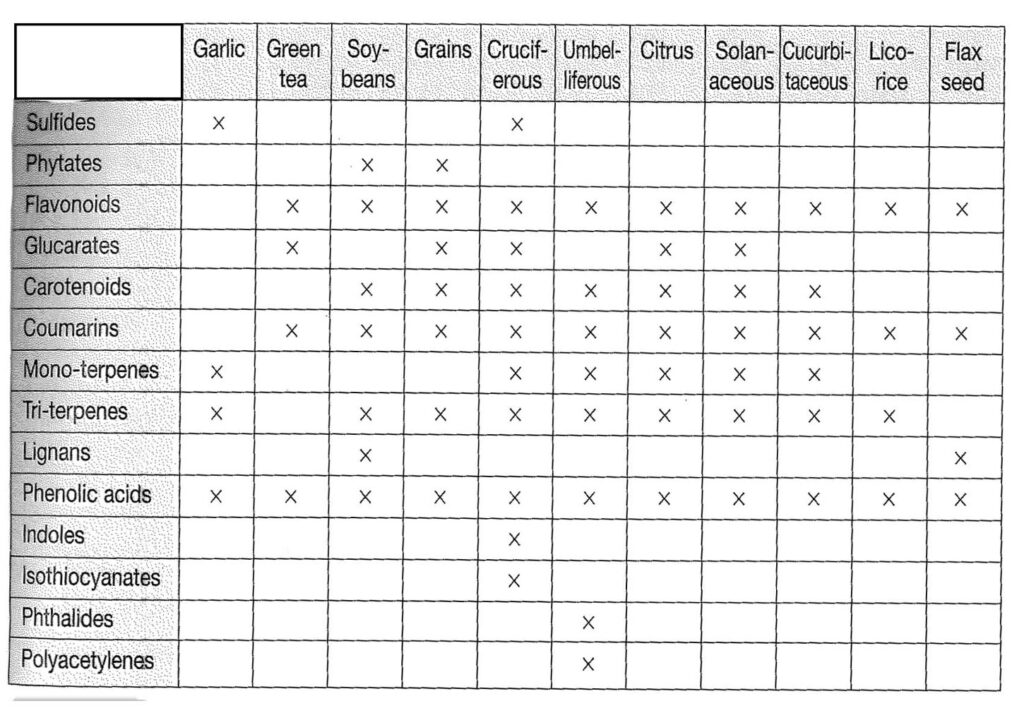
Table 7.18. Distribution of some of the major cancer-preventing phytochemical in food plants. (Adapted from ref. 82).
FRUITS
The benefits of fruit in the diet cannot be overemphasized, but the very wholesomeness of fruit has, unfortunately, led to many misconceptions and inappropriate diets. Just because something is good, does not mean that it is necessarily complete in all its attributes, or should be regarded as a sole source of nutrients. Man’s diet should be based on a variety of foods, of which fruit should be an important component. Moreover, it should be remembered that fruits contain a high percentage of water, and would not provide sufficient energy if this were the sole source of nutrients. This is particularly important in the case of young children who still have a limited stomach capacity, and the use of dried fruit can augment is their energy intake. Even a cursory look at the composition tables will show that energy content of dried fruit is approximately four times as high as that of fresh fruit. The composition of fresh and dried fruit is presented in tables 7.19 and 7.20
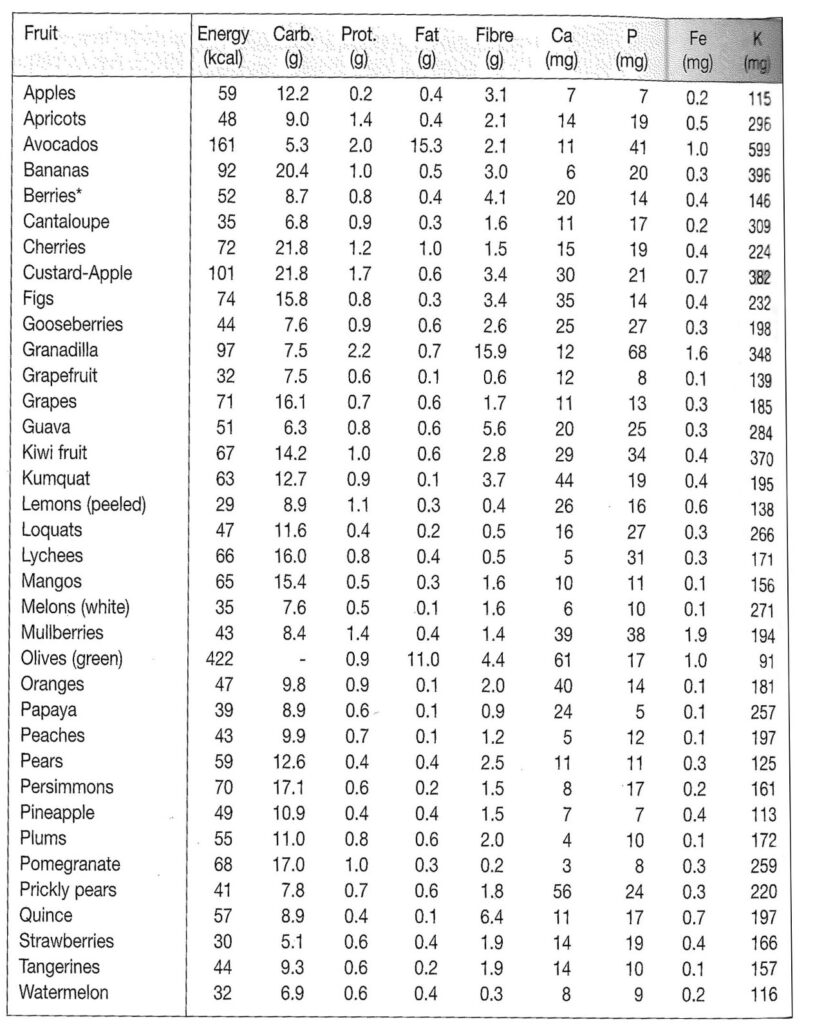
Table 7.19. The composition of selected fresh fruits. The figures are for 100g portions. (Adapted from ref. 37).
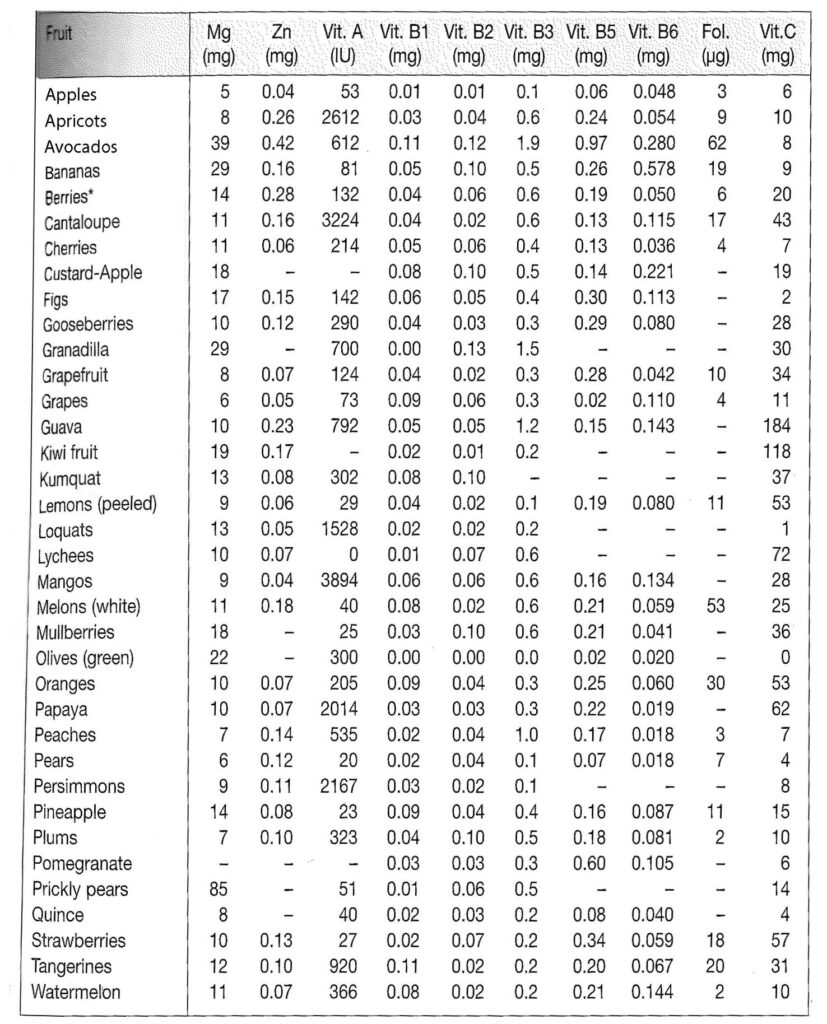
Table 7.19 (Part 2). The composition of selected fresh fruits. The figures are for 100g portions. (Adapted from ref. 37).
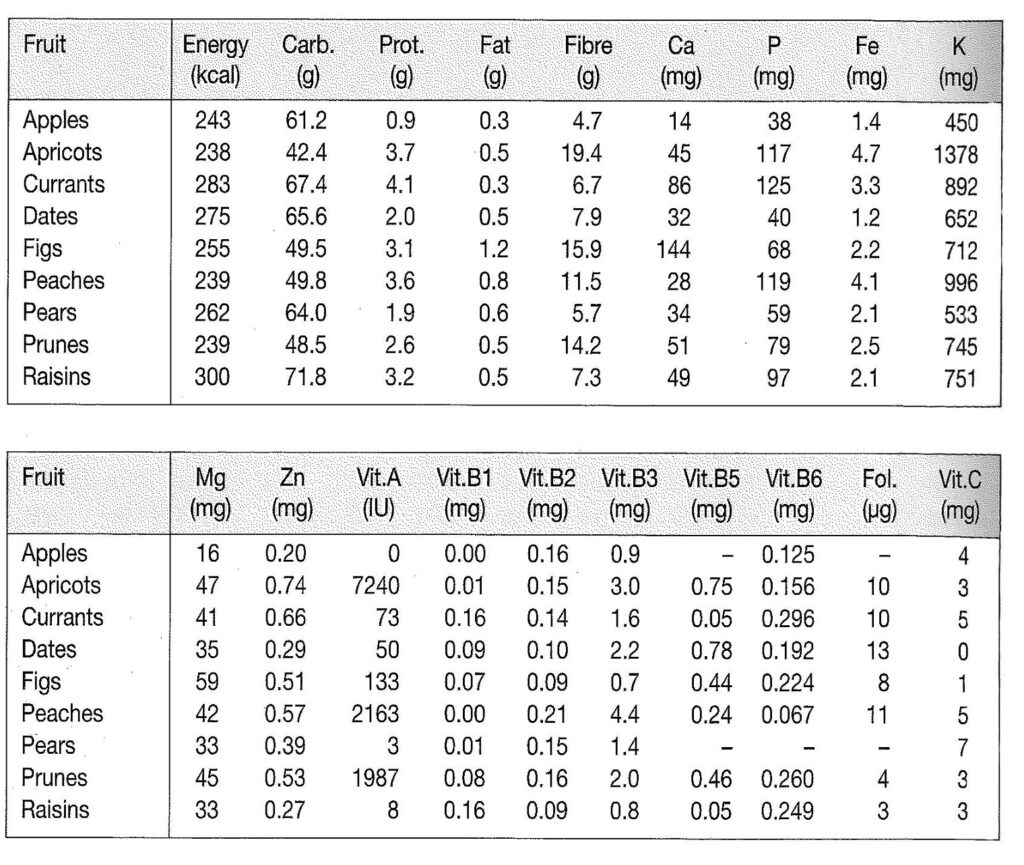
Table 7.20. The composition of selected dried fruits. The figures are for 100g portions. (Adapted from ref. 37).
Fruit contains one of the most readily utilizable forms of energy available to man, namely the simple carbohydrate fructose, or fruit sugar, which needs no digestion and is readily absorbed by the body. Fruit contains soluble fibres (such as pectin), which retard the uptake of fructose, so that the sugar enters the bloodstream at a controlled rate. This unique relationship between fructose and fibre is extremely important in preventing post-prandial (after meal) glucose surges which are associated with hypoglycaemia. This is significant, in view of the modern trend to substitute sugar (sucrose) with refined fructose. The ingestion of substantial amounts of fructose, also leads to hypoglycaemia, as it facilitates the conversion of glucose to glycogen,83 and can also lead to increased cholesterol levels.84 The best way to consume fructose is thus in the fruit, which once again underlines the fact that a whole-food programme should be the programme of choice. The isolation and regular consumption of refined foods in whatever form, will always prove to be detrimental to health in some form or other. The use of whole fruits such as dates and currants, which are high in natural sugars, will satisfy the sweet tooth without overburdening the system.
Because fruit is so readily digestible, some people are of the opinion that fruit should only be consumed by itself and never in combination with other foods, but the very composition of fruit
belies this theory. Fruits contain components which assist in the absorption and utilization of nutrients found in other foods such as grains and legumes, and the simultaneous ingestion of fruits, grains, legumes or other compatible foods can thus only be advantageous. Moreover, the soluble-fibre composition of fruit prevents over-rapid absorption of the natural fruit sugar found in fruit and the digestive products of the complex carbohydrates found in grains and legumes, thus ensuring a gradual, constant supply of these nutrients. Fruit can certainly be eaten on its own, but for a more sustained energy supply, combination with grains, nuts and legumes would be advantageous. Fruits combine well with any of the compatible neutral foods listed in table 7.4, but it should be remembered, that fruit should not be eaten together with vegetables, as discussed in the section on food compatibility.
Fruit is an excellent cleanser, and the rich supply of vitamins and minerals makes it an ideal food that should not only be regarded as a dessert or a snack, but together with grains nuts and legumes it can provide nutritious main meals. For example, hamburgers made with whole-grain bread, a legume/nut based patty served with sprouts and a delicious nut or tomato sauce together with a variety of fruit will satisfy even the most discerning of culinary experts. Fruit should be made a part of the everyday lifestyle, and the blessings that would flow from this habit would be too numerous to mention.
Each fruit is unique and supplies its own particular blend of vitamins, minerals and primary nutrients. In order to obtain the maximum benefit from the bounty of fruit, it is essential to concentrate on variety and to look beyond the handful of fruits that have become common household foods. There is a fruit for all occasions and a fruit for each season. Winter fruits such as citrus and guava have an exceptional vitamin C content, as if they were designed to meet the increased demands for this vitamin during the winter months, and the lipid content of winter varieties of avocados is also higher than that of summer varieties so as to supply extra energy during the cold months. It is as if a fruit in season is there to supply some or other specific need of the body essential for that time of year, and by including a variety of fruits and enjoying fruit in season, the attributes of each kind can be maximally exploited. With so many different fruits available, particularly in this age of transportation and international export, it is possible to enjoy a variety of fruits.
Fruits can be arbitrarily divided into categories according to their distinguishing characteristics or according to the regions in which they are most successful. There are stone fruits, pip fruits, grapes, berry fruits, citrus fruits, tropical and subtropical fruits. The families of plants from which we derive our fruits, have been exploited by man for thousands of years both for their fruits and for medicinal purposes, and many different cultivars with different tastes and characteristics have been developed. The following discussion of some of the more common fruits will hopefully encourage the reader to look beyond just apples and bananas to satisfy the fruit tooth.
STONE FRUITS
The stone fruits belong to the genus Prunus of the family Rosaceae which includes a wide variety of other fruits. The genus Prunus contains such varied forms as almonds, apricots, cherries, plums, peaches and nectarines, of which only a few will be discussed here.
Apricots (Prunus armeniaca)
Apricots are native to China and Siberia and they were introduced into the Mediterranean region about 100 BC. Apricots are an early summer fruit and they contain substantial quantities of vitamin A (over 2 600 IU per 100g) the anti-cancer, antioxidant vitamin. Vitamin C and the B-group vitamins are well supplied in apricots as are the minerals calcium and phosphorous. Each of these attributes are of course enhanced in dried apricots, so that a mere 100g of dried apricots will contain in excess of 7 000 IU of Vitamin A. Include dried apricots in muesli and other dishes or by soaking and blending they can be converted into spreads which can be enriched by mixing in some nut butter.
Cherries (Prunus avium)
Cherries are one of the earliest stone fruits to mature in the summer, but they are difficult to culture in home gardens, because of the climatic restrictions and the fact that birds love them. There are a number of varieties of sweet cherries, and then there is the sour cherry (Prunus cerasus) which is less restricted in its climatic requirements. Cherries contain fair amounts of vitamin A and C, and the minerals calcium, phosphorous and magnesium are also well supplied. Cherries are delightful as is, or in cakes, pastries and puddings. Cherry preserves are also a delight.
Peaches and nectarines (Prunus persica)
The peach originated from China, and not Persia as its scientific name suggests. Peaches and nectarines are plentiful in mid-summer and there are many varieties to choose from. In mid-season it is time to take advantage of the lower prices and to purchase them in bulk as this is the most economical way. Peaches are a good source of vitamin A, but the other vitamins and minerals are also well supplied. Dried peaches contain over 2 000 IU of vitamin A per 100g and are thus an excellent fruit to include in muesli, convert into spreads or preserves or to be eaten as is.
Plums and prunes
Plums and prunes comprise several species of the genus Prunus. The common plum (Prunus domestica), also called the European plum, probably originated from southwestern Asia and includes the blue plums and prunes. The red plums (Prunus salicina), or Japanese plums, are not as commercially significant as the European plum, and require warmer summers than the European plums. Plums are one of the few acid forming fruits, and in view of the body’s need for a greater proportion of alkaline foods than acid foods, some have advocated abstinence from plums. There is no reason whatsoever to abstain from plums. Plums are low acid forming, and a varied lifestyle should include sufficient alkaline foods to counteract the low acidity of plums. Of course, plums should not form the only item of diet over protracted periods, but they are certainly healthy and are a good source of vitamins and minerals, particularly vitamins A and C. People suffering from arthritis, gout or other ailments aggravated by an acid condition can be advised to restrict the consumption of plums.
Contrary to plums, prunes are an alkaline fruit rich in vitamins and minerals. Dried prunes contain substantial quantities of vitamin A, and the minerals calcium and magnesium are also well supplied. Prunes also have medicinal value, and have a mild, natural laxative effect which can be used to advantage particularly in the case of older people or young children.
PIP FRUITS
The common pip fruits are apples and pears which are also part of the family Rosaceae, which
also comprises a number of fruits of lesser economic significance.
Apples (Malus domestica)
Apples are of ancient and complex hybrid origin. They are the most important world fruit crop, and cultivars can be numbered in their thousands. Apples have long formed part of the Western diet, and they were probably cultivated in Greece as early as 600 BC, although their origin dates from the earliest of times. Apples are rich in minerals and vitamins, and contain fructose and soluble fibre in balanced proportions. Apples have a bit of everything, and the old maxim of the doctor and the apple contains more than a grain of truth. Apples, contain remedial phytochemicals and fair amounts of biotin and vitamin C . This balanced blend of nutrients is precisely what gives the apple its everyday appeal. Apples are versatile and can be prepared in a variety of ways so that one need not tire of apples.
Pears (Pyrus communis)
The European pear (Pyrus communis) is the most common pear in the Western world, and there are numerous varieties characterized by their juicy flesh and distinctive pear flavour. The Asian pears are derived from a different species, possibly Pyrus pyrifolia, they are more apple shaped and have a less distinct pear flavour. They tend to be crisp, but some varieties have a very juicy flesh. Like apples, pears contain a bit of everything, and dried pears in particular are an energy food which will supply useful quantities of vitamins and minerals.
Grapes
Grapes belong to the genus Vitis, which falls under the family Vitaceae. The genus includes many varieties of grapes from table grapes to wine grapes. The European grape (Vitis vinifera) probably originated in the region of the Caucasus mountains between the Caspian sea and the Black sea, and it is still widely cultivated as are many other species of grapes. Grapes have a higher carbohydrate content than most fruits, and thus supply fair amounts of energy. Moreover, they are a good source of the minerals manganese and silicon, and other vitamins and minerals are well supplied.
Some members of the genus are medicinal, especially those with a high quinine content, some are eaten fresh or used in juice and wine-making, whilst some are suitable for drying. The dried varieties are the sultanas and raisins. These dried varieties are excellent sources of vitamins and minerals, particularly calcium, phosphorous, iron, and the vitamins A, B-group and C. All the varieties have a high carbohydrate content and are exceptionally sweet, particularly if dried, and can thus be used as a substitute for sugar. Liquidized raisins in bread provide an excellent medium for yeast activity, and add a superb flavour to the bread whilst increasing the mineral and overall nutrient content.
Quinces (Cydonia oblonga)
The quince is another member of the Rosaceae family, and in antiquity the fruit was used as a love token associated with Venus. Quinces are cultivated mainly for their high pectin content which makes them ideally suited for the production of jellies. Because of this property they are often added to other fruits when preparing preserves or fruit jellies. Because the fruit is
unpalatable raw in view of its astringency, it is usually eaten cooked.
BERRY FRUIT
Particularly noteworthy berries are the blueberries and cranberries (Vaccinium), black, red and white currants as well as gooseberries (Ribes), raspberries and brambles (Rubus) and strawberries (Fragaria). A number of plant families contribute to the berry fruits of the world. Strawberries, boysenberries, blackberries, youngberries and raspberries belong to the family Rosaceae, blueberries are members of the Ericaceae, mulberries fall under the Moraceae and gooseberries and black- and redcurrants belong to the Grossulariaceae. Currants and gooseberries are hardy plants and cultured nearly up to the Arctic circle, though they fare best in cool humid climates.
Berries are a good source of minerals, particularly calcium, phosphorus, iron and silicon whilst they are rich in vitamins with the vitamin C-concentrations being particularly noteworthy. In this regard it can be mentioned that blackcurrants are the richest fruit source of this vitamin. Moreover, berries contain fair amounts of sulphur, the element that participates in several important detoxification reactions. Toxic materials in the body are conjugated with sulphate and converted to non-toxic forms which are excreted in the urine. Sulphur is more common in vegetables than in fruits, and that is why vegetables are good cleansers. Berries thus fall into the category of foods with excellent cleansing properties.
CITRUS FRUITS
Citrus fruits belong to the family Rutaceae, and the fruits belonging to the genera Citrus, Fortunella, Poncirus and their intergeneric hybrids are collectively known as citrus. The fruit of citrus is a type of berry, and the ripe skin contains two pigments, xanthophyll and carotene, which are responsible for their characteristic colour. The skins also contain oils which are often used in perfumes. The white pith of citrus fruits, known as albedo, is also a rich source of pectin, and that is why the skins readily form jams. Citrus comes from South East Asia, and has been cultivated in China for thousands of years. It is thought that Arab traders brought the fruit to the Middle East and Palestine and it reached Europe by the year 1480. Through colonization citrus spread to North America, the Caribbean and to Southern Africa. Citrus species hybridize easily, and some popular varieties such as grapefruit have only appeared in relatively recent times. The bitter taste of the grapefruit is due to the compound naringin, a flavone glycoside. Some common varieties of citrus include grapefruit, lemon, lime, orange, kumquat and mandarin, including tangerines.
Citrus fruit is known for its high vitamin C-content, but citrus also contains substantial amounts of vitamin A, and they are an excellent source of the mineral calcium. Most of the genera yield essential oils, and citrus has medicinal properties. Citrus is one of the few groups of fruits with established cancer-preventive properties, and the compounds associated with this phenomenon are the flavonoids, glucarates, carotenoids, coumarins, limolene, mono- and tri-terpenes and phenolic acids.82,85
Oranges (Citrus sinensis)
The sweet orange is native to China, and important cultivars include navels, blood oranges
and valencias. The sweet orange is used mainly for its juice, but it is delicious on its own.
Lemons (Citrus limon)
Lemons are used particularly for their juice and in food preparation. It is important to note that lemons and limes are alkaline forming fruits in spite of their acid taste, as citric acid is a weak organic acid that is readily broken down in the body. Lemons can be used in cooking and to replace vinegar in salad dressings and spicy preserves.
Mandarins and Tangerines
Mandarins probably originate from India, and are appealing because of their loose skin. Hybridization with pomelo has produced tangelos which are very aromatic and have a rich fruity taste.
Subtropical and tropical fruits
The range of fruits grown in tropical and subtropical areas is far greater than that found in the colder latitudes, but modern marketing strategies have made much of the tropical bounty available to all the regions of the world. The range of fruits found in the marketplaces of tropical areas, however, still exceeds that found in temperate areas in view of the logistical problems of transporting some of the delicate fruits, and the fact that some of the minor fruits are not produced in sufficient quantities to warrant export. Those fortunate enough to travel to the far-flung regions of the world should make a point of sampling exotic fruits of the area in order to fully appreciate nature’s bounty.
Avocado (Persia americana)
Avocados belong to the family Lauraceae, which is a family of aromatic evergreen trees to which cinnamon and camphor belong. Early Spanish explorers recorded the cultivation of avocado in Mexico and Peru, but today avocados are commercially significant crops throughout the tropics and subtropics. The main producing countries are Brazil, Mexico, The Dominican Republic and the USA. South Africa and Israel have also become major producers and they export large quantities to Europe. There are three distinct races of avocado, namely the Mexican, Guatemalan and West Indian races, and many different cultivars. The Mexican race is the least attractive, being small with a large pip, whereas fruits of the West Indian race are large and restricted in their distribution, as they are suited to low-altitude tropical areas. The Guatamalan race is the most common commercial race. There are many cultivars of avocado, and there is virtually a cultivar for each season, each producing fruit with distinctive flavours, ranging from a mild sweetish taste to a nutty rich flavour. The most common varieties are Hass, Zutano, Fuerto, Hayes, Hopkins and Reed.
Avocados are one of the few high-energy fruits, and they can be a meal unto themselves.
Unlike most other fruits, most of the energy in avocados is in the form of fat rather than carbohydrates, although they do also contain some carbohydrates. This has led to some misconceptions, as it is sometimes assumed that avocados will induce a cholesterol problem, and its use is, therefore, often discouraged in people suffering from hypercholesterolaemia. Avocados do not contain cholesterol, and 80% of the oil in avocados consists of mono-unsaturated fats, with the remaining 20% consisting of polyunsaturated and saturated fats. This combination of oils has been shown to decrease cholesterol levels, to benefit the cardiovascular system and to lead to a lower incidence of cancer.86 Avocados also contain a fair amount of vitamins A and E which act as natural antioxidants.
Avocados are an excellent source of the minerals magnesium, phosphorous and zinc, and the B-group vitamins. The concentrations of thiamin, Vitamin B6 and folic acid are particularly high, with folic acid reaching concentrations in excess of 60mg per 100g. Folic acid requirements are particularly high during pregnancy, and avocados can contribute substantially to this need. The high concentration of these B-group vitamins enables the body to maximally metabolize the fats in the avocados, making them an ideal substitute for butter or margarines. The high fat content of avocados makes them an ideal food for growing children and vegan vegetarians to ensure adequate fat intakes. Enjoy avocado as is, or eat them with a little salt and lemon juice, or use them as a natural butter substitute on fresh home-baked bread. Avocados can also produce exciting salad dressings that will prove to be a taste sensation.
Bananas (Musa)
Plantanes and bananas belong to the family Musaceae, and they have a complicated ancestry. The family Musaceae is not only useful for its fruits, but also produces fibre for textiles. Some varieties are ornamental. Bananas seldom produce seeds, and reproduction is by vegetative means. Plantains are typically thought of as cooking bananas, whilst the banana is the fruit that is eaten raw.
Bananas are nature’s convenience food. Vitamins and minerals are well supplied with phosphorous, magnesium, manganese and vitamins A, B6, folic acid and vitamin C deserving special mention. The energy content of bananas is also higher than that of most other fruits, thus making it the ideal lunch-box fruit. Bananas should be eaten ripe, as unripe bananas, like unripe mangoes, contain a protein inhibitor of salivary and pancreatic α-amylase, the enzyme that digests starch.34 The inhibitor is destroyed during the ripening process (a ripe banana is yellow and is covered by brown spots), and heating will also destroy most protein inhibitors. The African custom of cooking green bananas between leaves will thus render the inhibitor inactive. Bananas that are still slightly green contain higher concentrations of resistant starch which contributes to the maintenance of colonic bacteria, but this in itself is not a reason for eating green bananas, as the consumption of whole foods will supply more than enough resistant starch from grains and legumes to meet the demands of the colonic bacteria. Bananas can thus be eaten as is, or they can be fried for a special treat. The texture of bananas also makes them ideally suitable for making home-made ice-cream, free of the additives of commercial varieties.
Dates (Phoenix dactylifera)
Date palms have been cultivated since ancient times in the arid regions of the Old World, principally northern Africa. Dates are one of the wonder foods of the Mediterranean region. They supply an abundance of vitamins and minerals, with the levels of calcium, magnesium, vitamin B1, B5 and folic acid being particularly noteworthy. Dates are exceptionally sweet, and can be used to substitute for sugar in many dishes. Liquidized dates are an excellent natural
sweetener for porridges and breakfast foods such as granola. The sugar in dates comes pre-packed with soluble fibre, which prevents the rapid uptake of the sugar so that it will not lead to hypoglycaemia. Dates are thus a good source of natural energy which will provide maximum lift without subsequent let-down.
Figs (Ficus carica)
The common cultivated fig originated from western Asia and today most of the world’s production occurs in the Mediterranean region, with Greece, Italy, Portugal, Spain and Turkey being the main producers. There are two main types, namely the Adriatic type, which is the most abundant type, and the Smyrna type. Figs are an excellent food known also for their remedial qualities. Dried figs supply in excess of 140mg of calcium per 100g and the minerals magnesium, manganese, copper and iron are also well supplied. Figs also contain a balanced vitamin composition, and the ratio of primary nutrients makes them one of the top energy fruits. It is no wonder that the rations of armies in ancient times consisted largely of dried figs. Dried figs are thus a priority fruit for people who enjoy hiking.
Guava (Psidium guajava)
Guavas belong to the family Myrtaceae, and they are the fruits of evergreen shrubs and trees. They grow in tropical and subtropical regions where two species in particular are cultivated. These are the common guava Psidium guajava and the strawberry guava Psidium littorale. Guavas come in many shapes and sizes, ranging from very small to fruits weighing in excess of 200g. The number of seeds per fruit also varies, and the flesh colour ranges from white to yellow and salmon red. Guavas are one of the richest sources of vitamin C, supplying 184mg per 100g of this vital vitamin. Vitamin A and calcium is also well supplied, and the guava is thus an excellent fruit for the winter to help prevent winter ailments. Guavas can be processed into juice, jam, chutney and jelly and will thus add variety on the table.
Kiwifruit (Actinidia deliciosa)
There are some 36 species of kiwifruit native to Asia, and Chinese records refer to their use as far back as AD 770. It is , however, only in the twentieth century that kiwifruit has become a significant commercial crop. The main commercial cultivar to date is the Hayward cultivar, and New Zealand is the main producing country, although other countries are quickly following suit. As the scientific name indicates, kiwifruit is a delicious fruit, and it is also rich in nutrients. Kiwifruit is rich in calcium, phosphorous and magnesium, and it is a rich source of vitamin C, containing some 118mg of this vitamin per 100g.
Litchi (Litchi)
The genus Litchi is native to China, the Philippines and India, and it is particularly prized in China for its fruit. Litchis are a delicious fruit which will add flavour to fruit salads. Litchis are eaten fresh or dried, but canned litchis have become very popular. Vitamin C is present in high concentrations, the amount being approximately double that found in citrus.
Loquats (Eriobotrya japonica)
Loquats also belong to the family Rosaceae and are native to China and Japan. In Japan loquats are used to manufacture jellies, pies, jams and preserves, or they are eaten as is. Loquats are now cultivated in many regions of the world, including the Mediterranean regions, and they are easy to cultivate in the home garden. Loquats supply very useful quantities of vitamin A, the concentration being in excess of 1500 IU per 100g.
Mangoes (Mangifera indica)
Mangoes are extensively used in India and Asia, and they belong to the family Anacardiaceae, to which also the cashew nuts belong. Two races in particular are produced worldwide, the Indian and Philippine races, and some varieties have an exquisite taste and texture. It is not for nothing that mangoes are known as the peach of the tropics. Many cultivars are free of the annoying fibre and turpentiny flavour often found in seedling mangoes, and some varieties can be peeled like a banana. The fibreless varieties can be kept in the refrigerator, and then scooped out with a spoon on a hot summer day for a really refreshing treat. Mangoes are one of the richest fruit sources of vitamin A, and the vitamin C content is also very high. A mere 100g of mangoes contain 3 894 IU of vitamin A. It is, however, important to eat mangoes when they are ripe, because, like bananas, they contain amylase-inhibitors when they are green.
Melons and watermelons
Melons belong to the family Curcurbitaceae and they have been cultivated since ancient times. This family includes kinds, such as the cucumbers, which are more commonly used as vegetables. The dessert melons belong to the species Cucumis melo and include the netted summer melons and smooth-skinned winter melons. The netted variety is commonly (though incorrectly) referred to as cantaloupes. Watermelons belong to a different genus, and the typical watermelon (Citrullus lanatus) is native to tropical Africa. Watermelon cultivars vary in size, shape, colour and seed content, and it takes an expert to say when they are ripe, although a change in the ground spot colour, a slight bumpiness and a hollow sound when tapped, are good indications of ripeness.
Both winter and summer melons supply a superb array of vitamins and minerals, but the summer varieties have an exceptional vitamin A content. Over 3200 IU of vitamin A is present per 100g in cantaloupes and the vitamin C content is also very high. Watermelons, on the other hand, are virtually pure fruit juice with good quantities of mineral and vitamins and are a treat for the whole family.
Olives (Olea europae)
Olives have always occupied an important position in the diet and life of the Mediterranean and Middle Eastern cultures. In ancient times olive oil was much prized, and was used for lighting, and it also formed an important part of the rituals in the Hebrew sanctuary and temple service. The olive is one of the most nutritious fruits, and has the highest energy content of all fruits. Olives contain high concentrations of the minerals calcium, copper, magnesium, and zinc. Olives are an excellent source of essential oils, and the oil is rich in monounsaturated fats, with more than 70% of the natural oils consisting of this variety of fats. The remaining fats consist of
a mixture of saturated and unsaturated fats. This combination of oil is known to lower cholesterol levels and to promote cardiovascular health,86 and has also been associated with a reduced incidence of cancer as discussed in the chapter on fats. Of all the fats, the monounsaturated fats are least subject to autoxidation, but as all extracted oils are subject to this process, the best way to eat olive oil is in the olive.
The fruit of olives is bitter, because of the presence of certain glucosides, and olives thus have to go through an extensive preparation before they can be eaten. Olives are normally preserved in vinegar or brine, but they are best preserved in brine, as vinegar has detrimental effects. Olives can be eaten as is, or they can be used in cooking to add spice and nourishment to stews and pastas. Children (and adults) have to develop a palate for olives, but when they are used in cooking, their taste is not overwhelming. Olives can be eaten with every meal, as they are a neutral fruit, and once one has learnt the art of olive eating, they tend to become an indispensable component of the diet.
Papayas (Carica papaya)
The papaya tree is a giant herb rather than a tree, because it lacks woody tissue. It is also known as a pawpaw or melon tree. Papayas are native to tropical America, but they are extensively cultivated worldwide. The fruit is large, weighing from 500g to 2 kilograms, and it may be round, cylindrical or pear-shaped, depending on the variety. The ripe fruit is normally eaten fresh, and latex is obtained from the unripe fruit from which the enzyme papain is extracted. Papain assists in protein digestion, and is also a stimulator of the appetite and has antibacterial properties. Papayas are a rich source of vitamins and minerals, with the levels of calcium and vitamins A and C being particularly noteworthy.
Passionfruit or Granadilla (Passiflora)
Passionfruit originated in the tropical highlands of South America, and a number of varieties with different tastes and colours are available. There are purple varieties (P. edulis), yellow varieties (P. laurifolia), sweet varieties (P. ligularis) as well as others such as the giant granadilla and the banana granadilla, and they are grown mainly for their pulp which is used as a flavourant, or for fruit juices.
Granadillas are a good source of magnesium and iron and they contain a high concentration of vitamin A and C. No fruit salad should be without some granadilla pulp to add that extra flavour.
Persimmons (Diospyros khaki)
Persimmons belong to the family Ebenaceae, of which the Ebony tree is also a member. The fruits are also known as date plums or velvet apples, and they are widely grown in Japan for the fruit and as a sugar source. Some varieties can be eaten firm like an apple (Fuya), whilst others are astringent and must be eaten when extremely ripe and soft (Hachiya). The trees are very attractive and are ideal for home cultivation. Persimmons contain large quantities of vitamin A (2 167 IU per 100g), and will add a healthy variety to fruit meals.
Pineapples (Ananas comosus)
The pineapple is a member of the family Bromeliaceae, native to tropical South America, and is cultivated extensively in Hawaii, Brazil, Thailand, the Philippines, Malaysia and Kenya. Some varieties are used for the production of fibres for fine embroidery, whilst others are cultivated for their fruit. The fruit is used for juice production, canning and as fresh fruits. The most common cultivars are the Cayenne, Queen and Spanish groups. Pineapples were first known to Europeans from Gaudeloupe when Columbus landed in 1493, and they were introduced in St. Helena in 1505. In Britain they are sometimes cultivated under glass in view of the climate. Pineapples contain average levels of nutrients, and they are a good source of the mineral manganese.
Pomegranates (Punica granatum)
Pomegranates belong to the family Puneaceae, and they are native to South West Asia. They have long been cultivated in the Mediterranean region, they grew in the hanging gardens of Babylon, and served as the inspiration for king Solomon’s crown. The fruit contains seeds covered in a juicy pink pulp, which is the edible portion. The pomegranate can add to that much sought after variety in the diet.
Prickly pears (Opuntia)
Prickly pears are members of the cactus family Cactaceae, and are grown in tropical and subtropical countries. They are also known as Indian figs and they are a very rich source of minerals. They have one of the highest fruit levels of the minerals calcium and magnesium, and can contribute substantially to the requirements for these minerals.
There are many more varieties of fruits that are not dealt with in this section because they are not readily available in most areas. The list should be comprehensive enough to provide ample variation in the diet, and it is hoped that aspirant fruit eaters will be inspired to go hunting for more varieties of fruit. Remember that the Roman armies were often more hailed for the new varieties of fruits which they brought back from their conquests than for their conquests themselves.
VEGETABLES
The vegetable kingdom supplies an abundance of vital nutrients, and is an essential contributor to human health. Vegetables do not only provide primary nutrients, but they contain an abundance of vitamins and minerals. Moreover, vegetables help to rid the body of toxins, and they contain disease-preventive components, which include anti-cancer phytochemicals. In the United States, cancer is the second leading cause of mortality, and it has been estimated that 35% of cancer deaths are diet related. Estimates for diet related diseases range from 10-70%.87 Statistics like these, and the fact that the consumption of fruits and vegetables has been linked to a reduced cancer risk, has led the National Cancer Institute (NCI) to recommend increased consumption of fruits and vegetables.14 Not only are vegetables good for the prevention of cancer, but they are also beneficial for the cardiovascular system, and it has been shown that leafy green vegetables and root vegetables reduce cholesterol levels.88,89
Vegetables are living food packed with enzymes, vitamins and minerals, and the consumption of raw vegetables or vegetable juices would ensure an abundant supply of these essential
nutrients. The introduction of raw vegetables into the diet would thus be most beneficial, and if prepared as crisp salads together with a tasty sauce, they can be very palatable. Another way to ensure a healthy intake of raw food, is by developing a taste for fresh sprouts which are easy to prepare and also supply an abundance of nutrients and enzymes. Raw vegetables also contain greater concentrations of cancer-preventing phytochemicals than cooked vegetables, as many of these compounds are destroyed by heat. The fact that raw vegetables should form a healthy component of the diet, does not, however, mean that one should go overboard and exclude all cooked vegetables from the diet. Neither should one assume that cooked vegetables are unhealthy and unfit for human consumption. The watchword is variety, and cooked vegetables certainly have their place, particularly in winter, when a plate of warm food is positively essential.
When preparing cooked vegetables, care should be taken not to overcook them, as this would lead to a loss of nutrients. Vegetables should still be crisp when cooked, and cooking them in large quantities of water is also not a good idea, as the vitamins and minerals will merely leach into the water and be discarded. A look at the composition tables will show that cooked vegetables contain lower concentrations of nutrients than do raw vegetables, and this is due to leaching. Baked vegetables, on the other hand, contain higher concentrations of nutrients, because baking is a dry process, and the evaporation of water from the vegetables will concentrate the nutrients. Preparing vegetables in waterless cookware, or through steaming will ensure minimal loss of nutrients.
Vegetables are easy to cultivate, and a home vegetable patch should be a priority for all who are in a position to possess one. Organically-grown vegetables will provide a better mix of essential nutrients than conventional vegetables that are cultivated with inorganic fertilizers. It is not always possible to obtain organically-grown vegetables, and they can also cost more than conventional ones. In a recent study it was found that organically-grown fruits and vegetables differ significantly from conventionally grown ones.90 The nutrient levels were also affected differently in different fruits and vegetables. In potatoes it was found, for example, that the vitamin C content and that of various other nutrients was higher in conventional than in organically grown potatoes, whereas the reverse was true in the case of tomatoes, where the levels of vitamin C and that of other vitamins and minerals were higher in the organically grown varieties than conventional ones.90 The levels of trace minerals, particularly zinc, would be higher in organically grown vegetables than in conventional kinds, but if a varied diet is followed, sufficient nutrients can be obtained from either conventional or organically grown vegetables, and there is therefore no need for advocating extreme viewpoints on the issue. The composition of some of the more common vegetables is presented in table 7.21.
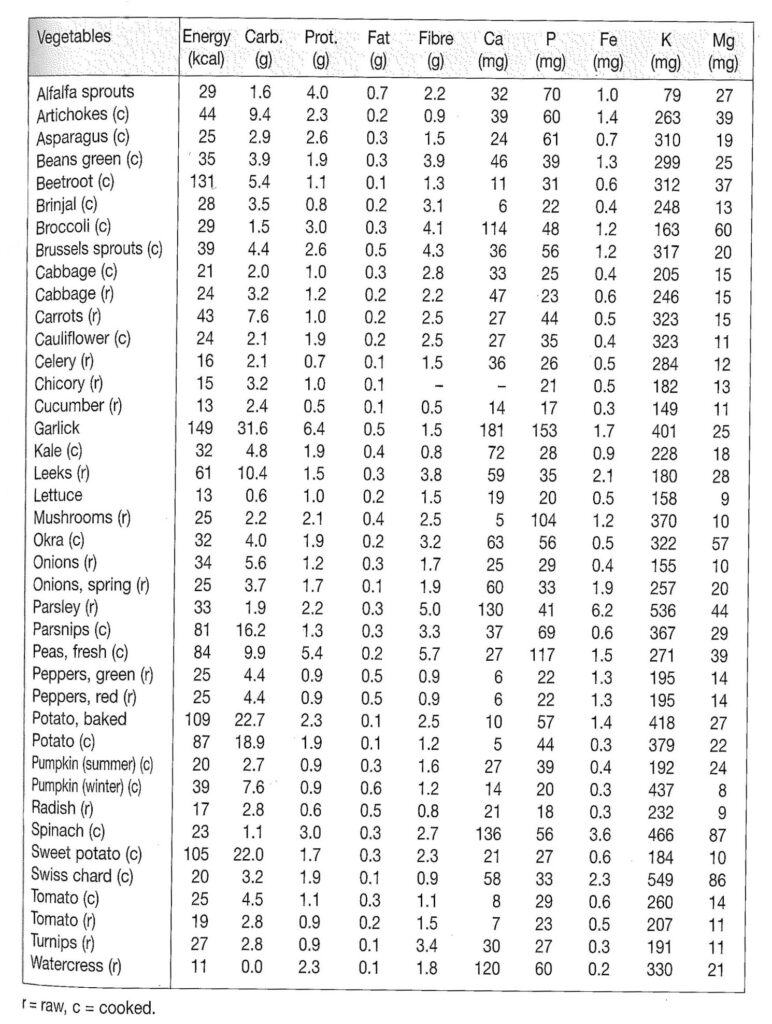
Table 7.21. The composition of selected vegetables. The figures are for 100g portions. (Adapted from ref. 37)
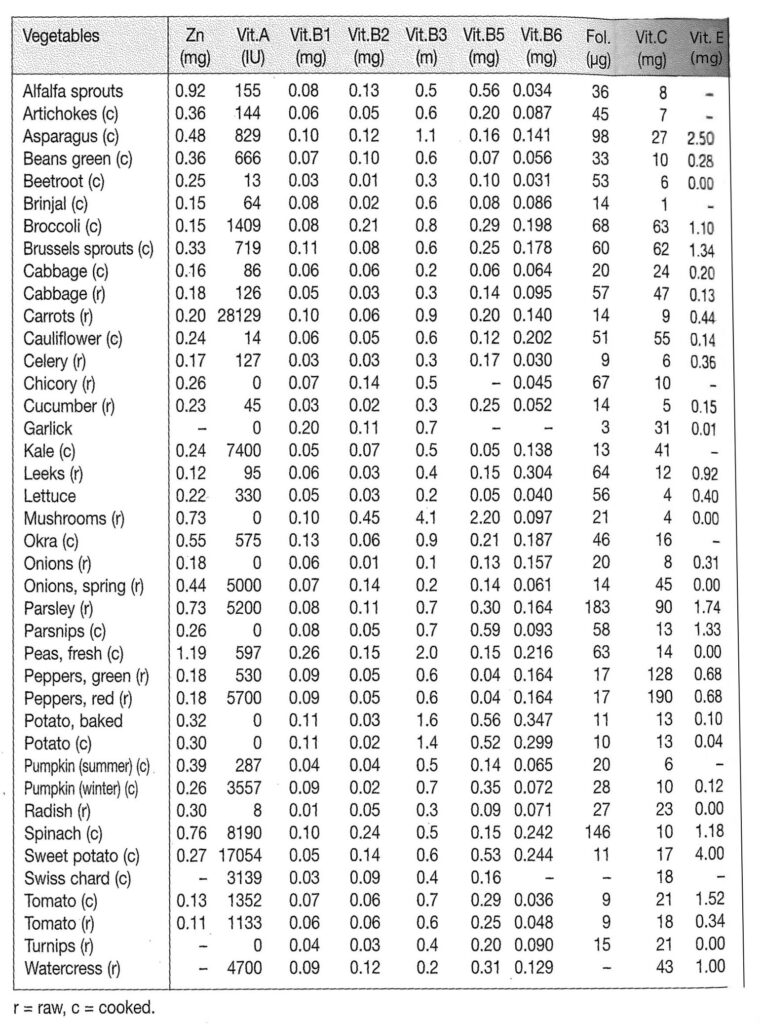
Table 7.21 (Part 2). The composition of selected vegetables. The figures are for 100g portions. (Adapted from ref. 37)
Types of vegetables
Vegetables are derived from most of the families of flowering plants and also from some algae and fungi. Many different parts of the plants are used as vegetables, and these include the roots, stems, leaves, buds, flowers, fruits, and in the case of sprouts, the whole plant. As definitions for vegetables are mostly based on usage and not scientific principles, it is very difficult to define a vegetable, particularly where vegetable fruits are concerned and there is no hard and fast rule for placing some of the seed-bearing fruits in either the fruit or vegetable category. In the case of the family Curcurbitaceae, for example, melons are considered to be fruits because they are sweet and similar in composition to fruits, whereas cucumbers, pumpkins and squashes are considered to be vegetables, but the final placing in one category or another remains arbitrary.
As the various plant families which contribute to the vegetable kingdom often share common features, the vegetables will be discussed by family, and as the listing could constitute a book of its own, only some of the more common vegetables will be discussed in order to highlight the diversity of qualities inherent in these foods. Hopefully the list will encourage variety on the table.
CHENOPODIACEAE (the goosefoot family)
The goosefoot family comprises numerous genera of herbs, shrubs and vegetables, of which some are medicinal. The main vegetables in this family are: beetroot, sugarbeet, Swiss chard and spinach. These vegetables supply an abundance of vitamins and minerals, but they also contain oxalic acid, and much of the calcium is bound in the form of calcium oxalate, which is associated with the formation of kidney stones. It has, however, been found that a vegetarian diet enables the body to cope with this situation,27 and it is not necessary for the vegetarian to eliminate these vegetables from the diet. Should there, however, be a record of kidney stones, then it would be wise to limit the use of vegetables belonging to this family.
Beetroot and Swiss chard (Beta vulgaris)
Beetroot is native to Europe, Africa and Asia and was used as a vegetable from as early as 300 BC. The crimson root of the beetroot owes its colour to the presence of a glucoside called betanin, which belongs to a group of chemicals known as betacyanins. Because of its red colour, many people are mistakenly under the impression that beetroot is a cure for iron deficiency, but beetroot contains only an average amount of iron. Beetroot contains large amounts of sugar, and some varieties are cultivated solely for sugar production. The high sugar content ( up to 8%) accounts for the high energy content of beetroot, but beetroot is also a rich source of the minerals magnesium and manganese, and it also contains a fair amount of vitamin
C. Beetroot can be grated and eaten raw in a salad or it can be cooked and served with a little lemon juice rather than vinegar. In Russia, beetroot forms the basis of the popular soup called borsch.
Another variety of Beta vulgaris produces Swiss chard, which is cultivated for its leaves and is easy to digest. Swiss chard is very nutritious and supplies good quantities of potassium, calcium, phosphorous and iron. It is one of the richest sources of magnesium. Moreover, this vegetable is very rich in vitamin A, supplying in excess of 3 000 IU per 100g.
Spinach (Spinacia oleracea)
Spinach is native to Asia and was introduced into Europe in the late Middle Ages. Like Swiss chard, it is rich in magnesium, calcium, potassium, phosphorous, iron, copper and manganese. The vitamin A-content is exceptionally high (8 190 IU). Spinach is also a good source of vitamins B6 and C. Spinach can be eaten cooked, and creamed with a little nut sauce it is particularly delicious. Raw spinach can be eaten in salads without fear of oxalic acid build-up,
as the blend of nutrients in spinach will prevent oxalic acid accumulation, particularly in the vegetarian. People already suffering from gall and kidney stones, should, however, avoid all foods rich in oxalic acid.
COMPOSITAE (Sunflower family)
The family compositae is a huge family of plants, better known for the flowers and oilseeds which are derived from it. One important vegetable from this family is chicory, and what would our salad bars look like without the all important lettuce, which is also a member of this family.
Chicory (Cichorium intybus)
Chicory is native to Europe and Asia, but has only been used as a vegetable since the thirteenth century. Chicory is cultivated mainly for its large taproot which is used as a coffee substitute, but its leaves are also used as a vegetable. The leaves of chicory have a bitter taste and Pliny, in fact, mentions chicory as one of the bitter herbs used by the Jews during the Passover. Chicory is cultivated from harvested roots which are replanted in spring and covered with soil or sawdust. This blanches the leaves and reduces the bitter taste. Chicory is a good source of folic acid and it can be eaten like lettuce in a salad.
Lettuce (Lactuca sativa)
The leaves of lettuce can be cooked, but they are most commonly used for salads, and have been used in this way for thousands of years. Wild species have a bitter taste because they have higher concentrations of the triterpenoid alcohols sesquiterpene, lactone, lactucin and lactupicrin than do cultivated varieties. These compounds occur in the white milky fluid, latex, and are also known to have sedative properties, and are frequently used as a remedy for coughs. Varieties of lettuce which are characterized by overlapping leaves are known as cabbage or head lettuce, and these are the most popular varieties. Lettuce with oblong leaves are known as cos lettuce and others do not form a head, but merely a loose rosette of leaves. Lettuce contains only 1% protein, very little complex carbohydrate and consists mainly of water, which is why it is compatible with fruits. Lettuce also contain reasonable quantities of minerals and vitamins, particularly silicon, vitamin A and folic acid.
CONVOLVULACEAE (Morning glory family)
The family consists mainly of twining herbs that are often classed as weeds. Some members of this family are used medicinally or as hallucinogens but one species, the sweet potato is an important food source.
Sweet potato (Ipomoea batatas)
Sweet potatoes are not related to potatoes, and they are cultivated for their root tubers. The tubers of sweet potatoes contain free sugar as well as starch, and this gives them their sweet
taste. The plant is native to tropical America and was introduced to Europe by Columbus. Sweet potatoes can be eaten boiled or baked, and they are a very nutritious food, very rich in vitamin A (17 054 IU per 100g). Vitamin C is also well supplied.
CURCURBITACEAE (Gourd family)
The gourd family includes plants that are utilized as a source of fruits such as the melons and watermelons, but also includes varieties such as pumpkins, squashes, gherkins and cucumbers that are regarded as vegetables. Gourds, on the other hand, are mainly ornamental.
Pumpkins and Squashes (Curcurbita)
Pumpkins and squashes are of American origin, and there are a number of species. In America, the terms winter and summer squash are used to differentiate between different varieties. The summer squash (C. pepo) is eaten in the immature stage whilst the other varieties of the same species, such as pumpkins and winter squash, are harvested when fully mature. These can be stored for use during winter, and are thus also known as winter squash. In Britain, summer squashes are called marrows and the term winter squash is not used.
Pumpkins and squashes are good sources of vitamin A, and the yellow varieties supply in excess of 3 500 IU of this vitamin per 100g. Pumpkins are also a good source of the minerals calcium, potassium and silicon. Pumpkins can be eaten raw if grated into a salad, or they can be steamed or baked. Baked winter pumpkin is very nutritious and satisfying and supplies a high nutrient density.
Cucumber (Cucumis sativa)
Cucumbers have been used for thousands of years, and they were known to the ancient Egyptians. Today there are many different varieties that are cultivated for human consumption. They consist largely of water, minerals and vitamins, and are thus compatible with either fruits or vegetables, and can be used as a refreshing addition to salads or snacks. Cucumbers are mainly eaten raw, but they are also delicious when briefly cooked and prepared in a sweet and sour sauce. Some cultivars are pickled and preserved in vinegar, but it would be better to use brands that are preserved in brine, or to prepare one’s own preserve substituting lemon juice for vinegar. Gherkins are also used for pickling, but they are derived from another species of Cucumis.
CRUCIFERAE (BRASSICACEAE) (Mustard family)
This family includes some 350 genera and well over a thousand species, of which a number are utilized as vegetables. Cruciferous vegetables are rich in essential nutrients. They are known to reduce the risk of cancer,81,82 and should therefore fill a prominent position in the diet. Because vegetables in general, and cruciferous vegetables in particular, contain substantial quantities of sulphur, the vitamin C-concentration does not decline as readily as it does in the case of fruits
or vegetables with a lower sulphur content,91 and this means that more of this vitamin is retained after storage and cooking.
Some of the common vegetables in this family are those which belong to genus Brassica, which includes broccoli, brussels sprouts, cabbage, Chinese cabbage, cauliflower, kale, kohlrabi, rutabaga and turnips. Some other important foods from this family include cress, watercress, and radish, which are eaten in salads, and Japanese horseradish and mustard which are used as condiments. The chemical components of the mustard family, to which its anti-cancer properties are attributed, are listed in table 7.18. One of these substances is mustard oil which also is responsible for the characteristic taste of the cabbage group, and the compounds attributed with anti-cancer activity are isothiocyanytes, thiocyanates and dithiolthiones.
Broccoli (Brassica oleracea)
Broccoli was developed in Italy and is well established as one of the major anti-cancer foods. It also stimulates the production of enzymes which rid the body of potentially harmful metabolites.81 Broccoli contains some 3% of protein and is one of the richest vegetable sources of calcium, iron and magnesium. Moreover, broccoli is very rich in vitamins A and C, exceeding even oranges in the concentration of the latter. Broccoli can be eaten raw in salads or with dips, or it can be steamed and eaten as is, or served with a light nut, or similar sauce.
Brussels sprouts (Brassica oleracea)
Brussels sprouts was first developed in Belgium from where it also gets its name. Brussels sprouts is quite popular in Europe and its nutrient composition is similar to that of broccoli, except that the concentrations of vitamins and minerals tend to be lower. Use brussels sprouts as an alternative to provide variety, but try to use fresh or frozen sprouts as they lose their flavour and texture when canned.
Cabbage (Brassica oleracea)
Cabbage is yet another variety of the species Brassica oleracea which is rich in cleansing minerals such as sulphur. It is native to the Mediterranean region, England and France, but the cultivated form was introduced to Britain by the Romans. Cabbage can be eaten raw, pickled or cooked and is used in a great variety of ways. There are many varieties of cabbages but the Savoy cabbage is considered to be the best in terms of its nutrient content. Savoy cabbage contains some 157mg of vitamin C per 100g and is rich in sulphur, a cleansing mineral, which helps to retain this vitamin.
Cabbage can be fermented to produce Sauerkraut, a process whereby the bacterium Lactobacillus converts the sugars into lactic acid, which accounts for the sour taste of Sauerkraut. Lactic acid is a weak acid, and in spite of its presence, Sauerkraut still remains an extremely alkaline-forming food which supplies an abundance of vitamins and minerals. The body copes well with lactic acid, and Sauerkraut can be eaten without fear of acid build up. Red cabbage is another variety of cabbage which can also be eaten raw in salads, or it can be cooked with a little lemon juice, rather than vinegar, to give it a sour flavour. Another popular cabbage variety, that can be used to provide variety, is the Chinese cabbage which is good for making salads or cooked as a green vegetable.
Cauliflower (Brassica oleracea)
Cauliflower is probably native to Asia Minor but was known in Europe by the sixteenth century. Its nutrient composition does not compare with that of broccoli, but it is an excellent source of biotin, and other vitamins and minerals are in good supply. Cauliflower provides that necessary variety on the table and it can be eaten raw, cooked and served with a sauce or as a soup, and it lends itself to being crumbed.
Kale and collard (Brassica oleracea)
Kale is similar to cabbage, but the leaves, which are green, silver-green or purple, do not form a head. The varieties that are used for human consumption are usually those with the curled leaves, and in the USA there is a variety that also forms a rosette of leaves similar to cabbage, but not compact. This variety is known as collard. Kale is the oldest variety of Brassica and it is very rich in nutrients. Kale is rich in calcium, magnesium, vitamin B6, and it contains over 7 400 IU of vitamin A per 100g.
Kohl-rabi (Brassica oleracea)
The name Kohl-rabi is a German name which means ‘cabbage turnip,’ and it is the swollen turnip-like stem which is used as a vegetable. The leaves are not usually eaten, but they are edible and do have considerable nutritive value. Kohl-rabi is normally cooked and can be served with a white nut, or similar sauce, and it is excellent in soups.
Turnip (Brassica rapa)
The turnip has been used for thousands of years, and is native to temperate parts of Europe and Asia. The swollen base can be cooked and eaten sliced and the leaves can be used like spinach. Turnips are not used extensively except in poorer areas, and they do not excel in any particular nutritional component, although they do contain reasonable amounts of calcium and vitamin C.
Radish (Raphanus sativus)
Radishes were used by the ancient Egyptians and they are probably native to Asia. Their pungent taste is due to the mustard oil. Radishes are eaten raw, and when they are peeled, most of the enzyme responsible for the production of mustard oil is removed, and they have a milder taste. The leaves of the radish should not be thrown away, as they can be used in salads, but as they are slightly prickly, they are best used in soups to create a pleasant, spicy taste. Radish-leaf soup is pleasant as a starter to meals, and is prepared by cooking the leaves and creaming them in a blender. Radishes contain fair amounts of vitamin C, and the mineral silicon is also in good supply.
Cress (Lepidium sativum)
Both garden cress and watercress (Nasturtium officinale) are members of the cruciferous family and their taste is due to mustard oil. They are used raw in salads or in soups and stews, and have a fresh spicy taste. Watercress was originally used as a medicine, and in view of its superb composition, it should become a part of every household’s menu. Watercress is an excellent source of calcium (120mg per 100g), magnesium and phosphorous, and it contains 4 700 IU of vitamin A per 100g. The B-group vitamins are well supplied and the concentrations of vitamins C and E are also above average.
LEGUMINOSAE (FABACEAE) (Pea or Pulse family)
The family Leguminosae is a large family which also includes some varieties that are used as spices or that can be eaten fresh as sprouts. The legumes can all be sprouted and eaten raw or cooked, and fenugreek can in addition be used as a spice. Another important plant belonging to this family is liquorice (Glycyrrhiza glabra), of which the underground portions are used as a flavouring agent in confectionery. Liquorice is recognized as having anti-cancer properties subscribed to the flavonoids, coumarins, tri-terpenes and phenolic acids which the roots contain. Most of the pea and bean varieties are discussed in the section on legumes, and the only ones that will be discussed here are those varieties that are eaten fresh as vegetables, namely the green or French beans and the fresh garden peas.
French beans (Phaseolus vulgaris)
There are two varieties of French beans that are eaten in the immature stage, and a further one where the beans are eaten in the dry form. Only those that are eaten in the immature stages will be discussed here. Cultivars where the entire pod is consumed, are normally called snap beans, and there are stringed and stringless varieties. In the other group the pods are not eaten, but the seeds are eaten in the immature stage. This last group is not of great commercial significance. Green beans contain good quantities of calcium, iron, magnesium, and the levels of vitamins A and C are also high.
Peas (Pisum sativum)
Garden peas probably originate from Asia, and they reached significance in Europe during the Middle Ages. Unripe peas can be served as a vegetable, and in the case of sugar peas, the whole pod can be consumed. Sugar peas are particularly attractive and tasty in Chinese dishes. Peas contain good quantities of phosphorous, but the other minerals are also present in adequate amounts. The vitamins A and C are also well supplied. Fresh garden peas are always an attractive addition to the menu.
LILIACEAE (Lily family)
The Liliaceae include a wide variety of edible, as well as medicinal and ornamental plants. From the genus Allium we obtain the onion, garlic, leeks, shallots and chives, and from the genus Asparagus we obtain, of course, asparagus. Besides their tremendous
flavour-enhancing capabilities, these foods have been categorized as having exceptional anti-cancer properties,82 and they also have cleansing and disinfectant qualities. The pungent smell of garlic, onions and the other members of the Allium genus is due to disulphide compounds known as allicins. The enzyme allinase starts to work on odourless compounds known as alliins when the plant is cut or damaged, and this produces the allicins. Allicins are powerful irritants, and that is why one tends to cry when one peals onions or other members of the Allium genus. Although garlic and chives are flavourants and are not strictly vegetables, they will be discussed here in view of their significance as disease preventers and flavour enhancers.
Chive (Allium schoenoprasum)
Chive is a herb native to Eurasia and is very popular in Europe, where it is finely chopped and eaten raw in salads, on boiled potatoes, as a garnish or as a flavourant for soups and stews. Chives have a fresh, mild onion flavour and are relatively easy to cultivate, even as a pot plant, so that no household need be without it.
Garlic (Allium sativum)
Garlic was already used by the ancient Egyptians and perhaps even contributed to the health of those individuals who helped to construct the pyramids. Garlic is rated as the number one anti-cancer food, and the sulphides, phenolic acids, and mono- and tri-terpenes present in garlic are attributed with this protective capacity. Moreover, garlic is much used as a medicine, as it also has bactericidal properties. Garlic can be added to many foods to enhance their flavour, and besides these virtues, garlic is one of the best sources of primary and secondary nutrients. Garlic contains over 6% high quality protein, is rich in carbohydrates and contains exceptional amounts of calcium, phosphorous, iron, magnesium, niacin and vitamin C. Prolonged slow cooking removes the pungency of garlic, but some nations find this quality of garlic endearing. To the novice, the taste of garlic may seem somewhat overwhelming, but once a palate for this flavourant has been developed, there will be no holding back, except perhaps in the romantic sphere.
Leeks (Allium ampeloprasum)
Leeks are native to the Mediterranean region and have been used as a vegetable since ancient times. Leeks can be eaten raw in salads, or they can be eaten cooked, and young leeks can substitute for asparagus. The green leaves at the top should not be discarded, as they contain most of the nutrients. If served with a nut sauce, tomato an olive oil dressing, or similar, it can provide a tasty variety to meals. Like all green vegetables, leeks are a good source of calcium, and the minerals iron and magnesium are also well supplied. Leeks are rich in folic acid and vitamin B6, and also contain a fair amount of vitamin C.
Onions (Allium cepa)
Onions have been used since ancient times, and their use is recorded by the Egyptians. Strictly speaking, the onion is a condiment but it is used so extensively that it will here be treated as a vegetable. The edible bulb of the onion is really the thickened stem, and the fleshy leaves are
the bases of normal leaves from the previous season. Onions are one of the plants listed by the NCI (National Cancer Institute) as having anti-cancer properties. Raw onions contain up to 2% protein, and useful amounts of calcium, vitamin B6 and folic acid. Spring onions are even more nutritious than mature onions, and they should be incorporated into the diet whenever possible. Make them a part of crisp green salads and use them in Chinese dishes. Spring onions contain twice as much calcium as mature onions (up to 60mg per 100g) and they are rich in vitamin C and contain up to 5 000 IU of vitamin A, whereas mature onions contain virtually no vitamin A. Onions can be used raw, cooked or fried, and the taste of virtually all vegetable meals can be improved by the addition of onions. Onions need not be fried in oil to obtain that rich fried onion taste, but they can be simmered over low heat in waterless cookware or in a little soy sauce or yeast extract together with a small quantity of water until they become golden brown. This enhances their taste and lends a rich flavour to stews and sauces.
Asparagus (Asparagus officinalis)
Asparagus is native to Eurasia and it was regarded as a delicacy by the Romans. The most renowned type of asparagus is the Argenteuil asparagus which is cultivated in France. The part used as a vegetable is the young shoot, and if white, blanched asparagus is required, then the earth must be mounded up around the young plant so that the stem is not exposed to the sunlight. The plant is harvested when the tip of the asparagus appears above the mound. Fresh asparagus can be peeled and cooked, and served together with a creamy mayonnaise-type sauce (see recipes), or it can be used on Pizzas. Asparagus contains useful amounts of calcium, magnesium and iodine and is an excellent source of folic acid. Moreover, vitamins A, C and E are also well supplied.
MALVACEAE (Mallow family)
The mallow family furnishes many ornamental plants as well as fibre, medicinal and food plants, but the family is most important as the source of cotton. Two frequently used food plants are okra and roselle, the latter being mainly used as a condiment. The edible calyces of the Roselle fruits are used to make jellies or a drink known as sorrel, or they are used as a flavourant in sauces.
Okra (Abelmoschus esculentus)
Okra is the large, green erect pod of Abelmoschus (Hibiscus) also known as gumbo or lady’s-fingers. The pods are used in the green state for stews, or they are dried for winter and they contribute substantially to human nutritional needs in some areas. The capsules can be sliced and fried, but because they are highly mucilaginous, they are also used to thicken and flavour soups. In the Southern United States, they are used to make the well known gumbo soup. Okra is rich in calcium and phosphorous, and is also an excellent source of magnesium. The vitamins A, B6, C and folic acid are also well supplied.
SOLANACEAE (Nightshade family)
This family abounds in ornamentals, plants with medicinal properties and a number of important food plants such as the potato, tomato, egg-plant (aubergine or brinjal) and red pepper (capsicum). The vegetables belonging to this family have also been recognized by the NCI as having anti-cancer properties.
Capsicum (capsicum annuum)
Green and red peppers, also known by their Hungarian name Paprika or the Spanish name Pimento, are native to South America from where they were introduced to most countries of the world. There are different varieties of peppers, ranging from the mild sweet pepper (C. annuum variety grossum) to the somewhat hotter Hungarian Paprika which was introduced to Hungary by the Turks. In Turkey, the pepper is a very important component of the everyday diet, and some of the best recipes for its use hail from that country. The fruits of this genus are not only used as vegetables, but are also used as condiments. Paprika powder is obtained by grinding the large, dried European variety of capsicum, and it is a tremendous flavour enhancer. The red pepper, known as chilli, is derived from another species (Capsicum frutescens) and the fruits of this species are more pungent than sweet peppers. The fruits of chillies can be ground after thorough drying, to produce cayenne or red pepper, and Tabasco sauce is obtained by pickling the pulp of chillies in vinegar or brine. The hot taste of these condiments is due to a compound known as capsaicin.
Red and green peppers are very nutritious and they are very rich in vitamin C. The composition of the unripe green pepper is very similar to that of the ripe red pepper, but the levels of vitamins A and C are far higher in the red than in the green pepper. Green peppers contain 530 IU of vitamin A per 100g as opposed to 5 700 IU in red peppers and the levels of vitamin C in the red pepper exceeds that in the green pepper by more than 60mg per 100g. Peppers can be eaten raw, stuffed, or as garnish and flavourant in a host of dishes. They are also used as stuffing for green olives.
Egg plant (Solanum melongena)
The egg plant, also known as aubergine or brinjal, probably originated in tropical Asia and is extensively used in India and the Far East. The edible part is the egg-shaped fruit, which is a berry. Different cultivars have different colours ranging from white to yellow, dark purple and black. The most common variety, however, is purple. The fruit is eaten boiled, stuffed or baked, and it can be used in stews or sauces. In Turkey, brinjals are roasted directly on a hot stove plate until the outer skin is burnt black. The fruit is frequently turned during this process to prevent too much burning, and the inner flesh is then scooped out and added to dishes such as rice salads. It imparts a unique, smoked flavour to the dish. Brinjals do not excel in any particular nutrient, but they do add variety to the table, and contain compounds that act as cleansers and prevents disease such as cancer.
Potato (Solanum tuberosum)
The potato is native to tropical America and it was the staple food of the Incas. When potatoes were first introduced to Europe, they were only used as ornaments, but today they are one of the most important vegetables which are used in virtually all the countries of the world. The
potato plant produces white, yellow or purple flowers, and the fruits, which are small berries, are very poisonous as they contain solanine, which is an alkaloidal sapotoxin. The edible part of the potato is the underground stem tuber which can have a whitish, yellow, brown or red skin, depending on the variety. Because the potato grows in the dark, it is not green, and it should be kept in the dark after harvesting to prevent it from going green. Green potatoes should never be eaten, as they also synthesize the toxin solanine.
Potatoes are rich in starch and contain some 2% protein. They contain fair amounts of potassium, B-group vitamins and vitamin C. Baked potatoes are more energy rich than boiled potatoes because of the lower water content. Potatoes can be prepared in so many different ways that one could fill a book just listing the recipes, but some dishes, such as French fries, have become international favourites. French fries are probably the unhealthiest way of consuming potatoes, as the impregnation with oil makes the potato very difficult to digest, and deep frying in oils, rich in polyunsaturated fats, has been linked to cancer. The use of free fats and oils should be avoided altogether, but if on occasion french fries are desired, then they can be prepared by giving the sliced potatoes a light coating of cold pressed olive oil (a monounsaturated oil) and baking them in the oven at 200°C (400°F) rather than deep frying them. The taste of this variety of fries is also superior to that of deep-fried French fries and will be less detrimental to health.
Tomatoes (Lycopersicon esculentum)
The tomato is also native to South America where it grows wild on the slopes of the Andes. Tomatoes were only brought to Europe in 1523 after the conquest of Mexico, and did not really become a part of the diet until the nineteenth century. The fruits of the tomato are used primarily as a vegetable, and they can be eaten raw or cooked. Like most vegetables, tomatoes contain a fair amount of sulphur compounds which act as cleansers, and the red colour of the tomato is due to the presence of the tetra-terpene lycopene.
Today, there are many varieties of tomatoes on the market and they are processed into pastes and sauces. Canned tomatoes and purees are also readily available. Tomatoes have become essential ingredients of salads, stews and sauces, and have a tremendous potential for enhancing the flavour of virtually any dish. Italians have become past masters in utilizing the tomato, and much can be learnt from their approach. Tomatoes contain about 1% protein and are a good source of vitamin A and C.
UMBELLIFERAE (APIACEAE), (parsley or carrot family)
The umbelliferae are an important family, comprising some 250 genera and 2 800 species, the flowers of which look like small umbrellas or umbels. The plants often have a pungent odour and they are used as food source, flavourants, scent or for their medicinal value, but some of them are poisonous. Depending on the type of plant, the roots, leaves or seeds can be utilized as foods and flavourants. The plants of this family are recognized by the NCI as having cancer-preventive properties as they produce anti-cancer phytochemicals such as flavonoids, carotenoids, coumarins, mono- and tri-terpens, phenolic acids, phathalides and polyacetylenes. Many members of this family are used as herbs to improve the flavour of foods, and, in the interest of good health, this practice can only be encouraged.
Some of the more common herbs and foods belonging to this family are: angelica, aniseed,
caraway, carrots, celery, chervil, coriander, cumin, dill, fennel, lovage, parsley and parsnip. Many of these are only used as flavourants, but carrots and parsnips are used as vegetables. As some of the flavourants, however, also enjoy extensive use, and in some cases are also consumed as vegetables, they will be briefly discussed here.
Angeliica (Angelica archangelica)
Angeliica is believed to be a good antidote for poison. Today it is used as a condiment and is often candied. In some areas it is, however, used as a vegetable.
Aniseed (Pimpinella anisum)
Aniseed is a fruit and is used as a spice in cakes and pastries.
Caraway (Carum carvi)
Caraway is not a seed, but a fruit, and is used as a spice in bread or to add flavour to vegetables such as potatoes and cabbage.
Carrots (Daucus carota)
Carrots are an important vegetable, and although they were known to the ancient Greeks and Romans, they were not introduced to Europe until the Middle Ages. The orange-coloured taproot of the carrot contains a high concentration of β-carotene, which is the precursor to vitamin A. carrots can be eaten raw or cooked, but to obtain maximum benefit it is best to eat them raw. Carrots contain cleansing sulphur compounds and the main minerals and vitamins are well supplied. However, in its potential to supply vitamin A, the carrot is unbeatable, supplying in excess of 28 000 IU of this important component. Different cultivars, as well as older and younger plants, vary in the amount of β-carotene which they contain, and the younger roots are also sweeter than the older ones.
Celery (Apium graveolens)
Celery is one of the most alkaline-forming foods as it is rich in alkaline minerals. Celery has remedial qualities, and extracts of celery are even used to combat arthritis. The variety of Apium graveolens known as celeriac is cultured mainly for its turnip-like swelling, which is fried or cooked as a vegetable and is very popular in Europe, where it also used to liven up potato salads. Celery is, however, grown mainly for its stalks and leaves. Blanched celery is formed by earthing up the stems, and is more delicate in its flavour and also has a higher nutritional value in that it contains more vitamin A than the green stalks. Celery can be used raw as a salad or together with dips, but it also imparts a unique flavour to stews and soups.
Chervil (Anththriscus cerefolium)
Chervil is similar to parsley and is used as garnish or flavourant.
Coriander (Coriandrum sativum)
Coriander, which is a fruit, is used whole or ground in pickles and other foods as a flavourant.
Cumin (Cuminum cymicum)
Cumin also produces a fruit that is used as a spice and its use is similar to that of caraway.
Dill (Anethum graveolens)
In the case of dill, either the leaves or the fruits can be used as a flavourant in pickles, sauces and green salads to impart a pleasant, refreshing flavour.
Fennel (Foeniculum vulgare)
Fennel is used to flavour sweets, sauces and soups. In some areas it is used as a vegetable. However, as a vegetable, it has a somewhat overpowering taste for which one must develop a palate.
Lovage (Levistium officinale)
Lovage is native to Southern Europe and is used as a spice to enhance the flavour of soups and stews. In Germany it is known as Maggi-Wurzel.
Parsley (Petroselinum crispum)
The ancient Greeks used parsley as medicine, but today it is extensively used as a condiment. Its distinctive flavour is due to apiol. Parsley should become a regular household commodity, as it is exceptionally rich in calcium (130mg per 100g), iron, potassium, magnesium and trace elements, although the other minerals are also present in useful amounts. Parsley is also an excellent source of vitamins, particularly vitamin A, vitamin B2, folic acid and vitamin C. Parsley can be included soups and stews, and finely chopped parsley on savoury sandwiches and in salads adds flavour and essential minerals..
Parsnip (Pastinaca sativa)
Parsnips are native to Eurasia, and the edible portion is the swollen taproot which is used as a vegetable or flavourant. Parsnips contain reasonable amounts of calcium, phosphorous, folic acid and vitamin C, and before the introduction of the potato to Europe it was quite an important vegetable.
There are many other varieties of vegetables that could be included here, but it is not the purpose of this book to supply an exhaustive list of edible vegetables. It is rather envisaged that the list supplied should encourage the readers to include a variety of foods in their diet and to point out why this variety is so essential to a healthy lifestyle.
REFERENCES
- Dwyer, J.T. 1986. Promoting good nutrition for today and the year 2000. Pediatr Clin North Am 33: 799-822.
- Bray, G.A. 1992. Pathophysiology of obesity. Am.J.Clin.Nutr. 55:488S-94S.
- Dunn Clinical Nutrition Centre. 1995. Obesity damages your health. Feedback Newsletter for Nutrition Research Volunteers. (6) Autumn 1995.
- Bray, G.A., York, B. and De Lany, J. 1992. A survey of the opinions of obesity experts on the causes and treatment of obesity. Am.J.Clin.Nutr. 55:151S-4S.
- Blackburn, G.L., Wilson, G.T., Kanders, B.S., Stein, L.J., Lavin, P.T., Adler, J., Brownell,
K.D. 1989. Weight cycling: the experience of human dieters. Am.J.Clin.Nutr. 49: 1105-1109.
- Goodrick, G.K. and Foreyt, J.P. 1991. Why treatments for obesity don’t last.
J.Am.Diet.Assoc. 91 (10):1243-1247.
- Pace, P.W., Bolton, M.P., Reeves, R.S. 1991. Ethics of obesity treatment: Implications for dieticians. J.Am.Diet.Assoc. 91 (10): 1258-1260.
- Lustig, A. 1991. Weight loss programmes: Failing to meet ethical standards.
J.Am.Diet.Assoc. 91 (10):1252-1254.
- Wooley, S.C. and Garner, D.M. 1991. Obesity treatment: The high cost of false hope.
J.Am.Diet.Assoc. 91 (10):1248-2251.
- Ernsberger, P. and Haskew, P. 1987. Health implications of obesity: an alternative view.
Obes. Weight Reg. 6: 58,137.
- Begley, C.E. 1991. Government should strengthen regulations in the weight loss industry.
J.Am.Diet.Assoc. 91(10):1255-1257.
- Nutrition Today Newsbreaks. 1996. Concept of dysfunctional eating proposed. Nutrition Today. 31 (6) November/December 1996.
- A.D.A. Report. 1980. Position paper on the vegetarian approach to eating.
J.Am.Diet.Assoc. 77:61-69.
- Butrum, R.R., Clifford, C.K. and Lanza, E. 1988. NCI dietary guidelines: rationale.
Am.J.Clin.Nutr. 48:888-95.
- Lancet July 13, 1991. Notice board: Eating for a healthier life. Lancet. 338:111.
- Jacobs, C. and Dwyer, J.T. 1988. Vegetarian children. Appropriate and inappropriate diets.
Am.J.Clin.Nutr. 48:811-818.
- Olson, R.E. 1995. The folly of restricting fat in the diet of children. Nutrition Today. 30 (6) November/December 1995
- Bushinsky, D.A., Krieger, N.S., Geisser, D.I.,Grossman, E.B., and Coe, F.L. 1983. Effect of pH on bone calcium and proton fluxes in vitro. Am. J. Physiol. 245:F204-F209.
- Williams, S.R. 1989. Nutrition and diet therapy. 6th. ed. Times Mirror/Mosby College Publishing. St. Louis.
- Mayo Clinic Diet Manual. 1961. 3rd. ed. Philadelphia, W.B.Saunders Company.
- Coe, F.L., Moran, E. Kavalich, A. 1976. The contribution of dietary purine over-consumption to hyperuricosuria in calcium oxalate stone-formers. J.Chron.Dis. 29:793.
- Robertson, W.G., Peacock, M., Heyburn, P.J., Hanes, F.A. 1980. Epidemiological risk factors in calcium stone disease. Scand.J.Urol.Nephrol. 53(Suppl.):15-30.
- Bennion, L.J., Grundy, S.M. 1978. Risk factors for the development of cholelithiasis in man. N.Engl.J.Med. 299:1221-7.
- Marsh, A.G., Sanches, T.V., Michelson, O., Chaffee, F.L. and Fagal, S.M. 1988. Vegetarian lifestyle and bone mineral density. Am.J.Clin.Nutr. 48:837-41.
- Wachman, A. and Bernstein, D.S. 1968. Diet and osteoporosis. Lancet. 1:958-9.
- Zemel, M.B. 1988. Calcium utilization: effect of varying levels and source of dietary
protein. Am.J.Clin.Nutr. 48:880-3.
- Dwyer, J.T. 1988. Health aspects of vegetarian diets. Am.J.Clin.Nutr. 48:712-38.
- Finch, A.M., Kasidas, G.P., Rose, G.A. 1981. Urine composition in normal subjects after oral ingestion of oxalate rich foods. Clin.Sci. 60:411-8.
- Breslau, N.A., Brinkley, L. Hill, K.D., and Pak, C.Y.S. 1988. Relationship of animal protein-rich diet to kidney stone formation and calcium metabolism. J.Clin.Endocrinol.Metab. 66:140-146.
- Kok, D.J., Iestra, J.A., Doorenbos, C.J. and Papapoulos, S.E. 1990. The effects of dietary excesses in animal protein and in sodium on the composition and the crystallization kinetics of calcium oxalate monohydrate in urine of healthy men. J.Clin.Endocrinol.Metab. 71:861-867.
- Register, U.D. and Sonnenberg, L.M. 1973. The vegetarian diet. Scientific and practical considerations. J.Am.Diet.A. 62:253.
- Hardinge, M.G., Crooks,H., and Stare, F.J. 1966. Nutritional studies of vegetarians. 5. Proteins and essential amino acids. J.Am.Diet.A. 48:25.
- Whitaker, J.R. and Feeney, R.E. 1973. Enzyme inhibitors in foods. In: Committee on Food protection, Food and Nutrition Board, National Research council. Toxicants occurring naturally in foods. 2nd. ed. Washington, DC: National Academy Press.
- Acosta, P.B. 1988. Availability of essential amino acids and nitrogen in vegan diets.
Am.J.Clin.Nutr. 48:868-74.
- American diabetes association, Inc. The American dietetic association. 1988. Nutrition Guide for professionals. Ed. M.A.Powers.
- Green, M.L. and Harry, J. 1987. Nutrition in contemporary nursing practice. 2nd. ed. John Wiley & Sons, New York.
- NRIND. 1986. Food composition tables 2nd. ed. South African Medical Research Council.
- Brouk, B. 1975. Plants consumed by man. Academic Press. London.
- Jacobs, C. and Dwyer, J.T. 1988. Vegetarian children appropriate and inappropriate diets.
Am.J.Clin.Nutr. 48:811-8.
- Truesdell, D.D. 1985. Feeding the vegan infant and child. J.Am.Diet.Assoc. 85:837-40.
- Wood, P.J., Braaten, J.T., Scott, F.W., Riedel, D., Poste, L.M. 1990. Comparisons of viscous properties of oat and guar gum and the effects of these and oat bran on glycemic index. J.Agric.Food Chem. 38:753-7.
- Cara, L., Dubois, C., Bprel, P., Armand, M., Senft, M. et al. 1992. Effect of oat bran, wheat fiber, and wheat germ on postprandial lipemia in healthy adults. Am.J.Clin.Nutr. 55:81-8.
- Grant, K.I. 1993. Oat bran – panacea or placebo? S.Afr.Med.J. In press.
- Holm, J. and I. Björck, 1992. Bioavailability of starch in various wheat-based bread products: evaluation of metabolic responses in healthy subjects and rate and extent of in vitro starch digestion. Am.J.Clin.Nutr. 55:420-9.
- Schäfer, W. 1980. Brot backen. Otto Mair verlag, Ravensburg, Germany.
- Meyer, L.H. 1964. Food chemistry. Reinhold organic chemistry and biochemistry textbook series. Reinhold Publishing corporation. New York.
- Sanders, T.A.B. 1985. Growth and development of British vegan children. Am.J.Clin.Nutr. 48:822-5.
48 Whittaker, J.R., Feeney, R.E. 1973. Enzyme inhibitors in food. In.: Committee on food Protection. Food and Nutrition Board, National Research Council. Toxicants occurring naturally in foods. 2nd. ed. Washington, DC: National Academic Press.
- Gargouri, Y., Julien, R., Pieroni, G., Verger, R.,Sarda, L. 1984. Studies on the inhibition of pancreatic and microbial lipases by soybean proteins. J.Lipid Res. 25:1214-21.
- Savage, G.P. 1990. Nutritional value of sprouted mung beans. Nutrition Today. May/June:21-24.
- Farhangi, M., Valadon, L.R.G. 1982. Effects of acidified processing and storage on the
proteins and lipids in mung bean sprouts. J.Food Sci. 47:1158-63.
- Geervani, P., Theophilus, F. 1980. Effect of home processing on the protein quality of selected legumes. J.Food.Sci. 45:707-10.
- Bingham, S.A. 1984. Meat, starch and non starch polysaccharides and large bowel cancer.
Am.J.Clin.Nutr. 48:762-7.
- Kruh, J. 1982. Effects of sodium butyrate, a new pharmacological agent, on cell in culture.
Mol.Cell.Biochem. 42:65-82.
- Mc Burney, M.I., Horvath, P.J., Jeraci, J.L., Van Soest, P.J. 1985. Effect of in vivo fermentation using human faecal inoculum on the water holding capacity of dietary fibre. Br. J. Nutr. 53:17-24.
- Bingham, S.A. 1996. Epidemiology and mechanisms relating diet to risk of colorectal cancer. Nutrition Research Review (1996), 9: 197-239.
- Erdman, J.W. and Fordyce, E.J. 1989. Soy products and the human diet.
Am.J.Clin.Nutr.49:725-737.
- Graf, E. and Eaton, J.W. 1990. Antioxidant function of phytic acid. Free Radical Biol.Med.8:61-69.
- Anderson, J.W., Story. L., Sieling, B., Chen, W-J.L., Petro, M.S., Story, G. 1984. Hypocholesterolemic effects of oat-bran or bean intake for hypercholesterolemic men. Am.J.Clin.Nutr. 40:1146-55.
- Anderson, J.W. 1985. Cholesterol-lowering effect of canned beans for hypercholesterolemic men. Clin.Res. 33:871A (abstr)
- Anderson, J.W., and Gustafson, N.J. 1988. Hypocholesterolemic effect of oat and bean products. Am.J.Clin.Nutr. 48:749 53.
- Smith, M.V. 1988. Development of a quick reference guide to accommodate vegetarianism in diet therapy for multiple disease conditions. Am.J.Clin.Nutr. 48:906-9.
- Akinyele, I.O. and Abudu. I.A. 1990. Acceptability and nutrient content of milk substitutes from four cultivars of cowpeas (Vignia unguiculata). J. Food. Sci. 55:701-702,707.
- Messina, M. and Messina, V. 1991. Increasing use of soyfoods and their potential role in cancer prevention. J.Am.Diet.Assoc. 91(7):836-840.
- Slavin, J. 1991. Nutritional benefit of soy protein and soy fiber. J.Am.Diet.Assoc. 91:816-819
- Messina, M. and Barnes, S. 1991. The role of soy products in reducing cancer risk.
J.Natl.Cancer.Inst. 83:541-546.
- Carroll, K.K. 1991. Review of clinical studies on cholesterol-lowering response to soy protein. J.Am.Diet.Assoc. 91:820-827.
- Herbert, V. 1988. Vitamin B-12: plant sources, requirements and assay. Am.J.Clin.Nutr. 48:852-858.
- Xie, Z.L. and Fretzdorff, B. 1992. Optimierung des blanchierens von Sojabohnen bezüglich Lipoxygenase-Inaktivierung und Proteïnlöslichkeit zur Herstellung von Sojamilch. Z.Lebensm.-Uters. Forsch. 194(1):43-46.
- Omura, Y. and Takechi, H. 1990. Effect of hot water treatment on flavour of soymilk.
J.Jap.Soc.Sci.and Techn. 37(4):278-280.
- Fourie, P.C., Basson, D.S. 1990. Application of a rapid transestirification method for identification of individual fatty acids by gas chromatography on three different nuts. J.Amer.Oil Chem.Soc. 67(1):18-20.
- Spiller, G. 1991. Recent nutrition research on almonds. Europ. Food Drink Rev. 46:48,50.
- Ahn, C.Y., Hyun, K.H. Park, K.H. 1992. Investigation of antioxidant substances in black sesame seeds. Korean J.Food Sci.and Technol. 24(1):31-36.
- Hirose, N., Inoue, T. Nishihara, K. et.al. 1991. Inhibition of cholesterol absorption and synthesis in rats by sesamin. J.Lipid Res. 32(4):629-638.
- Young, C.K. and Cunningham, S. 1991. Exploring the partnership of almonds with cereal foods. Cereal Foods World. 36(5):412,414-415,417-418.
- Duxbury, D.D. 1992. Pistachios – snack nuts now healthy ingredients. Food processing. USA 53:(2):92-93.
- California Walnut Commission, USA, 1991. The California Walnut – the wonder nut. Food Trade Rev. 61(1):25-72.
- Pisani, P. Berrino, F. Macaluso, M. et al. 1986. Carrots, green vegetables and lung cancer: a case study. Int. J. Epidemol. 15:463-8.
- Kvale, G. Bjelke, E., Gart, J.J. 1979. Dietary habits and lung cancer. Int. J. Cancer. 62:1435-8.
- Hemeda, H.M. and Klein, B.P. 1990. Effects of naturally occurring antioxidants on peroxidase activity of vegetable extracts. J.Food Sci. 55:184-185,192.
- Zhang, Y.S., Talalay, P., Cho., C.G., Posner, G.H. 1992. A major inducer of anti-carcinogenic protective enzymes from broccoli: isolation and elucidation of structure. Proc.Nat.Acad.Sci.USA. 89(6):2399-2403.
- Caragay, A.B. 1992. Cancer-preventive foods and ingredients. Food Tech. April 1992
- Sestofft, L. 1983. Fructose and health. Nutrition Update, 1:39-54.
- Swanson, J.E., Laine, D.C./ Thomas, W., Bantle, J.P. 1992. Metabolic effects of dietary fructose in healthy subjects. Am.J.Clin.Nutr. 55:851-856.
- Scrimshaw, N.S. Nutrition and health from womb to tomb. Nutrition Today. 31 (2) March/April. 1996.
- Spiller, G.A. 1991. Health effects of Mediterranean diets and monounsaturated fats. Cereal Foods World. 36(9):812-814.
- Doll, R. and Peto, R. 1981. The causes of cancer: quantitative estimates of avoidable risks of cancer in the United States today. JNCI. 66:1191-308.
- Fraser, G.E. 1981. The effect of various vegetable supplements on serum cholesterol.
Am.J.Clin.Nutr. 34:1272-7.
- Bakhsh, R., Khan, S. 1990. Influence of onions (Allium cepa) and chaunga (Caraluma tubercula) on serum cholesterol, triglycerides, total lipids in human subjects. Sarhad J. of Agriculture. 6(5):425-428.
- Pither, R. Hall, M.N. 1990. Analytical survey of the nutritional composition of organically grown fruits and vegetables. Technical memorandum, Campden Food & Drink Research Association. 597:99pp.
- Albrecht, J.A., Schafer, H.W., Zottola, E.A. 1990. Relationship of total sulfur to initial and retained ascorbic acid in selected cruciferous and noncruciferous vegetables. J.Food Sci. 55:181-183