
Food can be either acid-forming, or alkaline-forming. The elements in the food, to a large extent, determine whether there will be acidosis or alkalosis after the digesting of the food. Minerals are the main controllers of the acid-alkaline levels once the products of digestion have either been converted to alkaline or acid ash. A list of the acid- and alkaline-forming minerals is presented in table 7.2
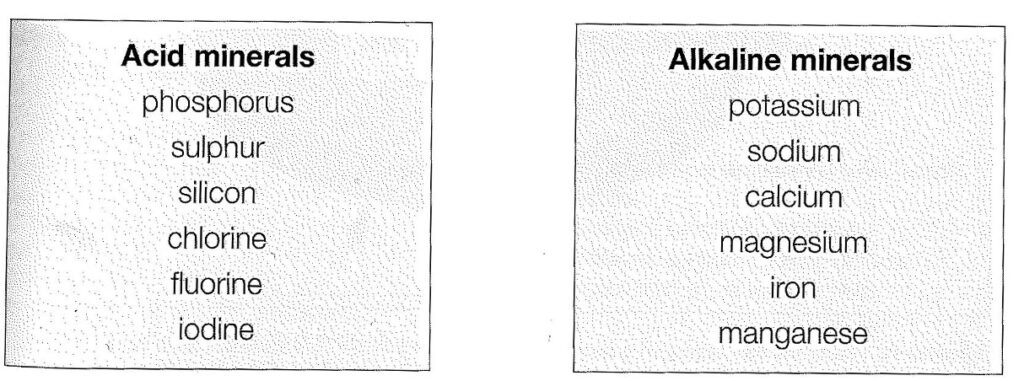
Table 7.2. The main acid- and alkaline-forming minerals.
Human blood is slightly alkaline at pH 7,4 and is maintained at this level by acid-base regulatory mechanisms. The lungs and kidneys are the two organs which regulate the acid-base balance. The lungs take care of volatile substances such as CO2, and the kidneys eliminate nonvolatile acids, such as lactic acid, ketone bodies (derived from fatty acid metabolism), sulphuric acid (produced in the metabolism of protein) and phosphoric acid produced in the metabolism of phospholipids. Even slight variations in the blood pH will have a profound effect on the regulation of the acid-base balance. For example, during metabolic acidosis, bone mineral is decomposed in order to contribute to the buffering of the acid load. In one study carried out on mice, it was found that when pH fell below 7.4, then calcium efflux of bone took place, when the pH was above 7.4, then calcium influx into the bone took place whilst at pH 7.4 there was no net flux.18 A diet which is acid-forming is thus a diet which will place excessive demands on the system, and can lead to increased susceptibility to disease. Besides contributing to calcium loss from bone, high-acid diets will lead to impaired immune responses, early aging and eventual renal impairment. In cases of renal impairment there is excessive retention of acidic catabolites such as phosphates and sulphates and in addition ammonia exchange is poor, which leads to further acidosis. In the overall diet it is, therefore, important to choose more alkaline-forming foods than acid-forming foods as presented in figure Fig. 7.2.
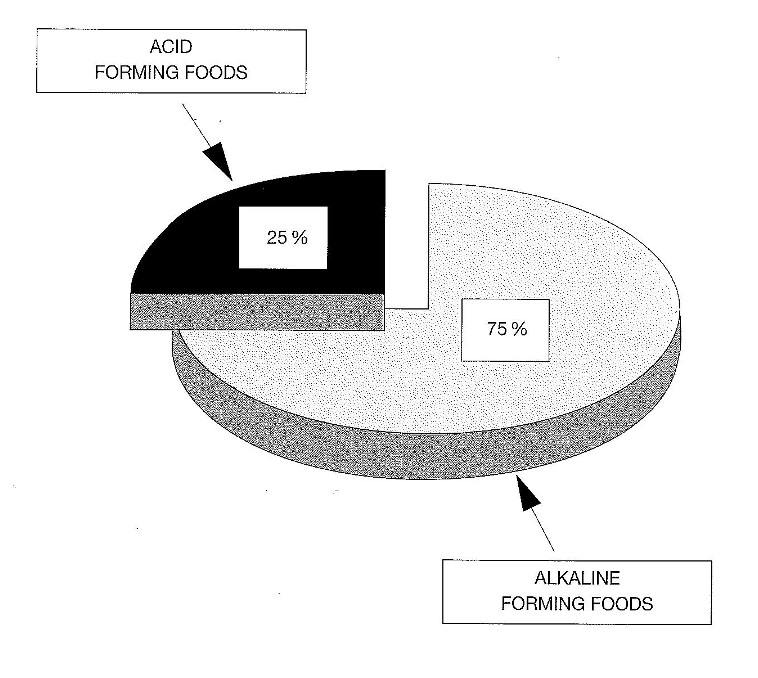
Figure 7.2. The suggested ratio of alkaline- to acid-forming foods.
In table 7.3 the main categories of alkaline and acid-forming foods are presented. It is important to note that both alkaline- and acid-forming foods are required in the diet, but the balance should always favour alkalinity as shown in figure 7.2. Moreover, it should be noted that animal products are generally highly acid forming, which is another reason why they should be avoided. Meals that contain large proportions of acid-forming food groups should be balanced with meals containing mainly alkaline-forming foods, particularly fruits.
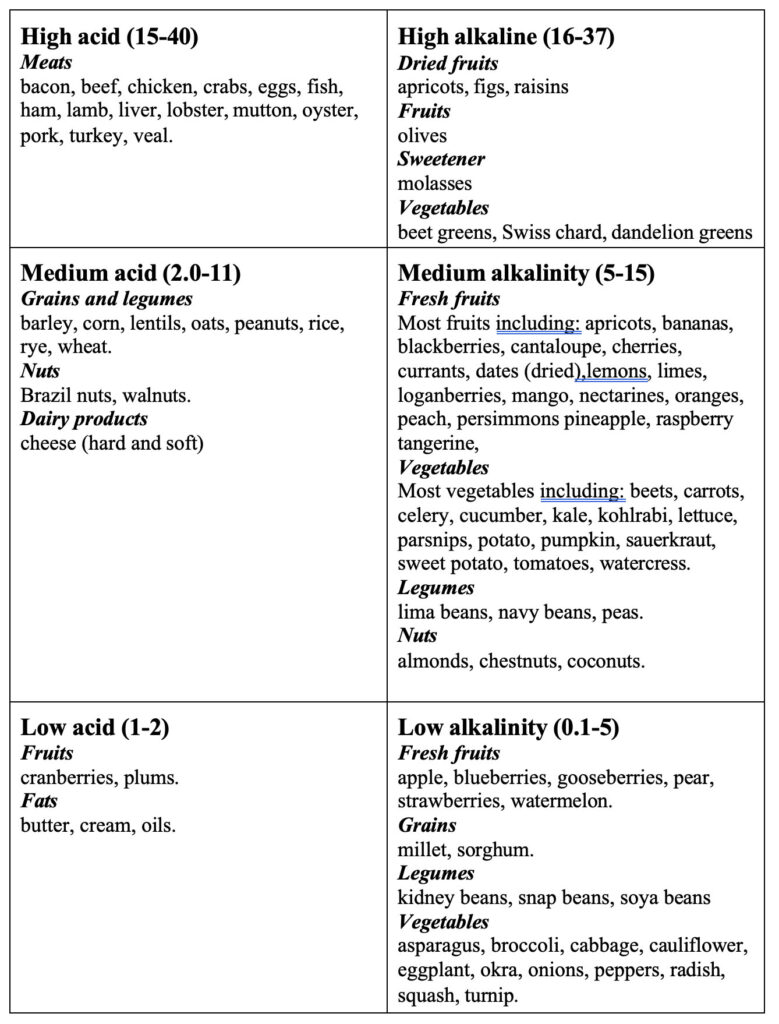
Table 7.3. Acid and alkaline ash food groups. The figures in brackets represent the percentage alkalinity or acidity. The grouping of fruits and vegetables is listed according to common usage and not biological classification.(From references 19 and 20).
From table 7.3 it is evident that animal products are highly acid-forming, and the invertebrate foods, such as the crabs, lobsters and oysters are the most acid-forming in this category. Diets high in animal products are also rich in purines which lead to uric acid formation and enhance kidney stone formation.21 Grains are mildly acid-forming, but when eaten together with the neutral or alkaline-forming legumes, fruits or vegetables, will not only supply an excellent protein with a well balanced mix of amino acids, but the combination will also be overall alkaline forming.
Of the alkaline-forming foods, the dried fruits are most alkaline forming, and all vegetables and fruits in general, with the exception of plums and cranberries, are alkaline forming. Strange as this may seem, this means that even the lemon with its high organic acid content is overall alkaline forming, because the acids are weak and once metabolized, the lemon has more alkaline than acidic components. The same holds true for all the other acid-tasting fruits in the list. Fruits or vegetables, in addition to a grain legume combination, will thus ensure an overall shift towards alkalinity.
Animal products are particularly acid forming, in view of their high sulphur, and phosphorus content. Purines that are present in animal foods are degraded in the course of their metabolism to uric acid, and the greater the consumption of these foods the greater the uric acid load becomes. People living in Western countries, particularly the affluent classes, are also at greater risk of forming kidney and gallstones.22,23 Both these stone types consist of calcium-oxalate, whereas gallstones, in addition contain cholesterol.
Meat in the diet results in acid urine, which results in negative calcium balance as a result of increased calcium loss in the urine.24 In addition, meat has a significant effect on the acid-base balance of the body, which in turn could lead to substantial bone loss.18,25 The reason for this is probably the high sulphur content of meat, as calcium loss has been attributed to the excretion of sulphate which is derived from amino acid metabolism.26 Combining animal foods such as cheese, eggs and meats with plant foods will lead to fermentation and toxin accumulation, as the digestion of these foods takes much longer than that of the plant foods.
Another source of acidity in the body is oxalic acid in food. Oxalic acid is not metabolized by the body, and combines with calcium to be eliminated as calcium-oxalate. Certain foods and beverages, including tea, cocoa products such as chocolates, peanuts, beets, spinach, rhubarb, Swiss chard, and black pepper, are high in oxalates and can thus also place an acid load on the system.27 As oxalic acid is excreted in the form of calcium oxalate, its elimination entails calcium loss, and there is a tendency to form crystals if consumption of these foods is high.28 It has, however, been found that if vegetarians consume foods high in oxalates, the urine composition of vegetarians is such that the formation of calcium oxalate crystals is inhibited. The relative risk of gallstone formation is 1,9 fold greater in non-vegetarians than in vegetarians, and the risk of kidney stone formation is also less in vegetarians than in non-vegetarians.27 It has also been shown that the problem for non-vegetarians seems to lie in the nature of the animal proteins which they consume,29,30 a vegetarian diet with emphasis on variety, would substantially reduce the acid load on the system.