
Proteins are the most varied of all the molecules found in living organisms and play a part in virtually every aspect of that awe-inspiring phenomenon known as life. In fact the very processes of life are to a large extent enacted on the surfaces of proteins. Some proteins have a globular structure, and many of these function as enzymes, immunoglobulins, hormones, transport proteins as well as performing structural roles in tissues and cells. The enzymatic function of proteins is what makes life possible, and it is estimated that there are some 10 000 different enzymes in the human body, though even this figure is probably a gross underestimation. The role and structure of proteins in cells and tissues is also extremely varied, and their structure is related to their function. Besides the globular proteins which play an important part in the structure and function of cells and tissues, there are also fibrous proteins which can be hard and tough such as toe and finger nails, hair, the tough hoofs of ungulates and even the feathers of birds.
The name protein is derived from Greek and means “primary” or “first”, and indeed protein plays a vital role in nutrition. However, a clear distinction must be made between dietary significance and the quantities required to meet dietary needs. Whilst protein-poor diets are associated with developmental diseases, the metabolism of dietary protein excesses leads to the formation of a number of compounds which are potentially harmful, and too much protein in the diet is thus equally detrimental to health.
Proteins consist of molecules known as amino acids and these contain an alkaline amino group (NH2) and an acid carboxyl group (COOH). The rest of the amino acid varies, and is commonly called the R-group (Figure 1.1).
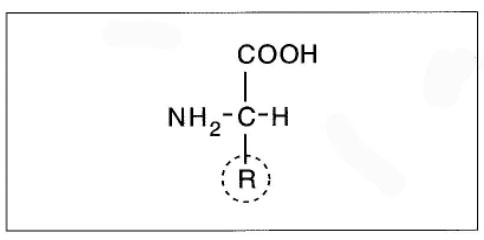
Figure 1.1. The structure of a typical α-amino acid (there are 20 different R-groups in proteinaceous amino acids)
Amino acids can be strung together to form polypeptides by linking the amino group of one amino acid with the carboxyl group of another amino acid and splitting out a molecule of water (dehydration synthesis) (figure 1.2).
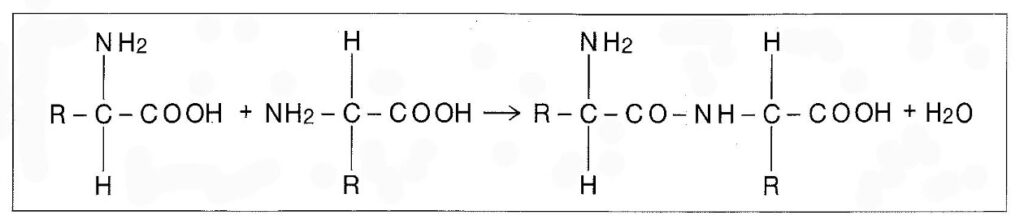
Figure 1.2 Dehydration synthesis of polypeptides
There are twenty common amino acids found in protein and these can be strung together in any combination, and depending on the sequence in which they are joined together, they produce the myriads of different proteins found in nature. Each organism has its own unique proteins and these are constructed from the amino acids which are either obtained from the
diet, or are manufactured by the organism. Humans cannot manufacture all the different amino acids, and as it is essential that these then be supplied in the diet, they are known as essential amino acids. The other amino acids are no less essential to the well-being of mankind, but because humans are able to manufacture them, it is not essential that they be obtained from the diet and they are, therefore, termed non-essential amino acids.
The common list of amino acids is as follows:
Essential amino acids
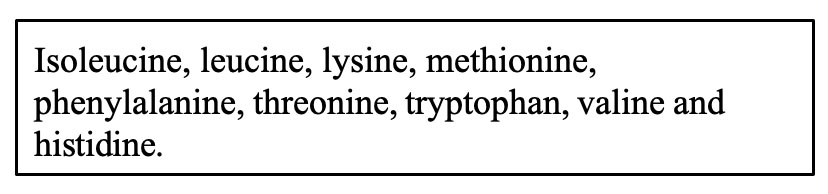
Histidine is not an essential amino acid for adults, but is included because infants require additional amounts of this amino acid.
Non-essential amino acids
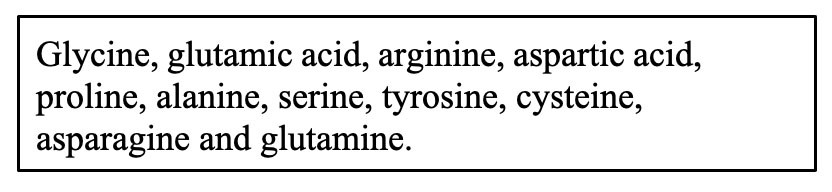
In addition to these, the amino acids hydroxyproline and citrulline are also incorporated into proteins.
The number of possible proteins that can be constructed from just these twenty amino acids is awe-inspiring. In fact, there is not enough matter in the universe to construct even one sample of each kind of polypeptide, even if the length is limited to just 60 amino acids. Indeed there are 10.240.000.000.000 different polypeptides (1020)which can be constructed from the twenty amino acids if the chain is a mere ten amino acids long.1 Human proteins, however, can contain hundreds of amino acids and some contain in excess of 1000 amino acids.
Protein digestion
The quantity and quality of proteins consumed will have a marked influence on the digestive process. Enzymes that digest proteins are divided into two groups known as exopeptidases and endopeptidases. As the names imply, the exopeptidases, hydrolyse the terminal peptide bonds of the protein and the endopeptidases, such as the enzymes pepsin and trypsin, operate on the inside of the protein by hydrolysing internal peptide bonds and cutting up the protein into smaller fragments. Pepsin is secreted by the stomach in the form of inactive pepsinogen which is activated by hydrochloric acid, which is also secreted by the stomach. Pepsinogen will only be converted to active pepsin if the pH drops to below pH 6 and protein digestion in the stomach thus takes place in an acid medium. The type of protein to be digested can influence the pH at which pepsin operates and animal proteins are usually digested at a lower pH (more acid) than plant proteins. The digestion of egg albumen, for example, requires a pH of 1,5 which is considerably lower than the pH optimum of the enzyme and much lower than the pH required for the digestion of plant proteins.
Pepsin hydrolyses proteins at peptide bonds between an aromatic amino acid (phenylalanine or tyrosine) and a dicarboxylic amino acid (glutamine or aspartic acid) and thus acts to cut up the proteins into shorter chains called proteoses and peptones (Fig.1.3). Digestibility of a protein thus depends on the frequency and spacing of those portions of the protein where the digestive enzymes can act on the protein. As a consequence, a diet high in animal proteins, will require longer periods of stomach digestion, at a lower pH, than will be required for plant proteins. The longer stomach retention time associated with a diet rich in animal products, gives a feeling of satiety, but this is not as a result of nutritional superiority. Indeed, the longer stomach retention time encourages fermentation and this, together with the higher acid levels, can contribute to sluggishness, heartburn, ulcer formation and a host of other conditions. The issue is further complicated by the high free-fat content of animal products. Fat is not digested in the stomach and the free fat thus coats the food and inhibits the water-soluble pepsin from operating optimally, thus leading to still longer stomach retention times.
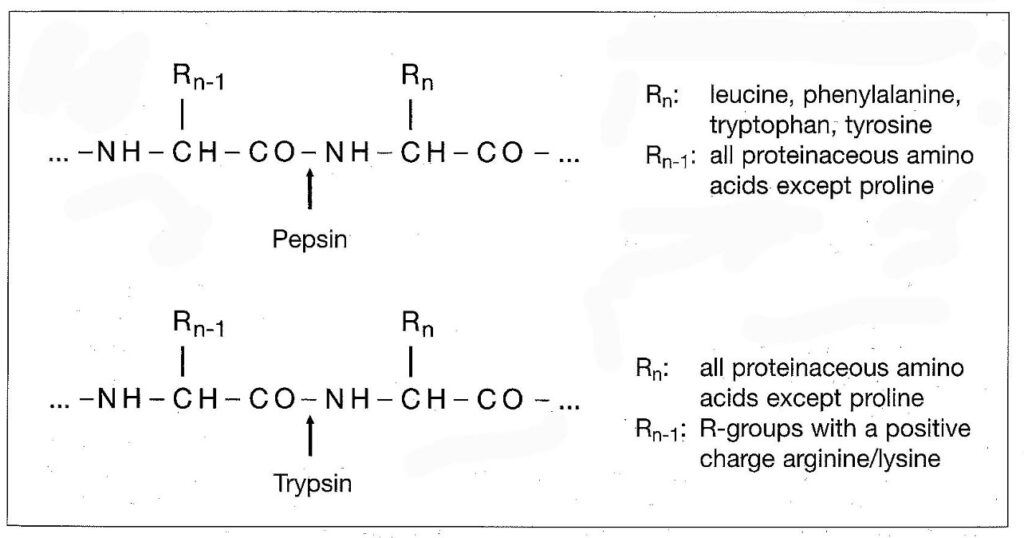
Figure 1.3 The action of pepsin and trypsin on proteins
A further point which needs addressing at this point, is the consumption of large quantities of liquids during a meal. Liquids should best not be consumed during a meal, as this will dilute the enzyme concentrations in the stomach and slow down the rate of protein digestion. Water should best be taken some time before or after a meal but not during a meal. All of these factors combined frequently lead to poor cleavage of the proteins and many partially cleaved molecules enter into the duodenum where the next stage in protein digestion takes place.
The enzyme trypsin, which is secreted by the pancreas in the inactive form trypsinogen, is activated in the duodenum by the enzyme enterokinase which is secreted by the intestinal wall. Once trypsinogen has been converted into active trypsin it too will activate trypsinogen, a process known as auto-catalytic activation. Unlike pepsin, trypsin requires an alkaline medium in which to operate and functions best at a pH between 7 and 9. Trypsin cleaves the proteoses and peptones in positions adjacent to the amino acids lysine and arginine, thus producing still smaller protein fractions. Further digestion takes place by means of exopeptidases which hydrolyse the polypeptides into oligopeptides which consist of residues of two or three amino acids, and finally into individual amino acids.2,3
Plant and animal proteins
Plants are the primary source of proteins for all heterotrophic animals, and plant proteins are thus termed primary proteins. When proteins are consumed, the proteins are digested, which means that they are broken down into their amino acid components, and these amino acids are then absorbed and used to construct the various proteins required by the organisms. If animal proteins are consumed as dietary protein, then the protein is obtained from a secondary source and animal proteins are thus termed secondary proteins. In view of human amino acid needs, proteins are also classified as complete and incomplete proteins.
A protein that contains all the essential amino acids in balanced proportions is called a complete protein whereas a protein that is limited in one or more essential amino acids is called an incomplete protein. Plant proteins are mostly incomplete proteins and animal proteins are mostly complete proteins. This has led to the general assumption that animal proteins are superior to plant proteins in terms of their nutritional value, and has led many to believe that a diet consisting solely of plants would be inferior to one which included animal products. This would certainly be true, if all plants had similar amino acid shortages, but as this is not the case, there is no sound reason for arguing that animal products supply a better protein than plants. Of course, if one were to follow a restrictive vegetarian diet, which included only a limited variety of plants, then a plant-based diet would certainly be inadequate.
A plant-based diet will supply all the essential amino acids if a variety of foods is utilized, and they will be as effective in meeting the body’s needs as proteins from animal sources.4 Plant proteins contain more branched chain amino acids than do animal proteins and they are easier to digest than animal proteins. Animal proteins, on the other hand, are rich in the sulphur-containing amino acids cysteine and methionine, and also have a greater proportion of the aromatic amino acids phenylalanine and tyrosine. Excesses of these two groups of amino acids have been associated with various degenerative diseases, in view of their degradations to cresol and phenol which are promoters of skin and colon cancer.5
The ratio of the various amino acids to each other may be equally as significant as the presence of essential amino acids in determining the value of a protein. Plant proteins produce higher levels of arginine and glycine in the blood than do animal proteins and the higher levels of these amino acids is associated with protection against the clogging of arteries and arteriosclerosis.6 In our own laboratory, we have found that legumes as well as grains produce high plasma levels of arginine in all experimental animals tested thus far, which include rats, rabbits and vervet monkeys (unpublished data). The mechanism whereby high levels of arginine in particular, affords protection against degenerative diseases such as arteriosclerosis and osteoporosis is not clear at this stage, but might be related to its role in the elimination of nitrogenous waste products via the urea cycle. High protein diets will necessitate large-scale deamination of amino acids as dietary protein excesses have to be converted carbohydrates or fats before they can be stored by the body. Deamination produces ammonia, which is toxic to the system, and high levels of arginine would aid the rapid conversion of the highly toxic ammonia to the less toxic urea, thus limiting the effects of ammonia.
Animal proteins tend to have higher proportions of essential amino acids, except for arginine, than do plant proteins. The higher values in themselves need not necessarily be regarded as a positive attribute, as some amino acids are required in higher concentrations than others. High levels of essential amino acids that are used in only small amounts, will also require the conversion of the excess, and thus lead to increased toxic loading. More important than the absolute quantity of essential and non-essential amino acids in the food we consume, is the
ratio in which these amino acids occur. The more closely the ratio is attuned to our needs the fewer conversions will be required and the lower the toxic load will be. In this regard, it has been suggested that the ratio of lysine to arginine could be important in determining the ability of a protein to induce arteriosclerosis.7,8 Early studies showed, that if animal protein is fed to rabbits, they develop arteriosclerosis and have elevated cholesterol levels even if their diet is cholesterol free. If they are fed plant proteins, such as soya, these effects are not observed. Moreover, the plant protein source was shown to decrease the degree of sclerosis even in those animals that were fed cholesterol.7 Models of cholesterol metabolism based on experiments with rabbits have been criticised, in view of the rabbits unique hypersensitivity to dietary cholesterol, but the fact that a plant protein source could decrease sclerosis is significant.
Recent studies have shown conclusively that animal proteins increase cholesterol levels, whereas plant proteins tend to reduce the levels of cholesterol in animals and humans.9,10 Apparently, the ratio of lysine to arginine plays a significant role in this hypocholesterolaemic effect, and the concentrations of various other amino acids are also implicated. It is therefore not surprising, that various national bodies and expert groups recommend an increase in the consumption of plant foods to improve long-term health.11 Plant foods that are rich in proteins, also come pre-packed with other macronutrients, vitamins and minerals which enhance the digestion and assimilation of these foods. The modern trend of refining plant protein sources, so as to obtain concentrated forms of protein as substitutes for animal products, thus strips them of these additional components. The use of unrefined plant protein sources, such as grains, legumes and nuts has added advantages, in that many of these foods contain phytochemicals that protect against cancer.12
Diets high in animal protein are normally low in carbohydrates, particularly fibre, and in typical Western diets up to 12g of partially digested protein (approximately 2g nitrogen) enters the colon daily in the form of protein, peptides and amino acids.13,14 When carbohydrate levels are low the bacteria in the colon will utilize these protein residues, particularly peptides, to meet their metabolic demands and liberate ammonia, short chain fatty acids and a variety of other products including phenols and branched chain fatty acids. Urinary phenol levels increase when a high meat diet is followed and decrease when more fibre is present.15 Phenols have been implicated as promoters of bowel cancer and ammonia increases cell proliferation and has also been linked to colon cancer.16.
How much protein?
Estimates for daily protein requirements have undergone a considerable evolution in recent times. In the past, it was thought that a high-protein diet would impart strength and stamina, and this concept is to this day still entrenched in the minds of most people. Evidence has, however been mounting that a high-protein diet, and particularly a diet high in animal proteins, is detrimental to health. Conversely, a diet too low in proteins will lead to protein malnutrition. Low protein diets are normally associated with less affluent societies which in addition to low protein concentrations also suffer from energy deficient diets. Protein-energy malnutrition has been linked to growth abnormalities and lasting detrimental effects on mental development. Children that have experienced such malnutrition have lower IQS than their adequately nourished siblings.17
Hunger and malnutrition are major problems facing the world’s poor. Nearly 200 million children suffer from protein-energy malnutrition and over 2 000 million experience micronutrient deficiencies.18 In affluent societies, protein-energy malnutrition is rare, and protein-energy over utilization which leads to obesity, cardiovascular disease, diabetes
cancer and other degenerative diseases is more prevalent. These facts have prompted many to change their lifestyles, and such changes can lead to nutrient shortages if these are not properly conducted. In this regard, minimum protein requirements become important not only to people in poorer societies, but also to those who are more affluent.
In view of the association between high protein consumption and disease, the recommended daily requirement for protein has been considerably reduced in terms of what was considered essential when the first international recommendation of 1g protein per kilogram body weight per day was made by the League of Nations in 1936. The recommended daily allowance (RDA) for protein is currently being revised, but it is generally accepted that a daily consumption of a mere 56g for men and 44g for women is adequate.19 The protein requirements are, however, not the same for all age groups, and there is an age-related decline in protein needs. These age-related protein requirements were reflected in the recommended levels of protein consumption proposed by the Food and Agricultural Organization (FAO), The World Health Organization (WHO) and the United Nations University (UNU) in 1985.20 These recommendations are presented in table 1.1. and are for an animal protein source.
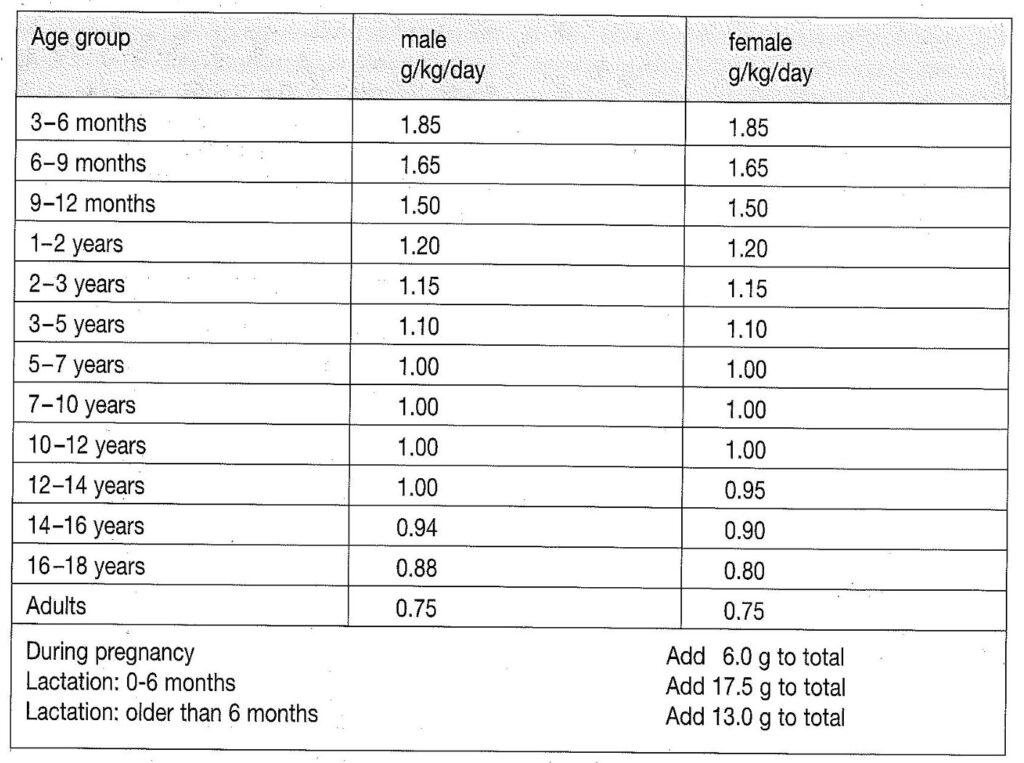
Table 1.1 Safe levels of protein intake as proposed by the FAO/WHO/UNU. Values are uncorrected for the nutritional value of the protein. (Ref. 20.21)
In both infants and adults, a combination of plant protein sources will supply adequate quantities of all the essential amino acids, but variety-poor diets would be restrictive, even if a good protein source such as soy protein is used. Soy protein isolates, as sole protein source, would supply sufficient amino acids for adults but might be insufficient for children, but a restrictive diet relying solely on grains as a source of protein would be inadequate to meet the needs of even adults.21 The combination of grains with legumes, seeds, or nuts will, however, supply a high quality protein with adequate concentrations of essential amino acids to meet the needs of all age classes.
The amino acid lysine seems to be one of the most important limiting amino acids, and differences between amino acid sufficiency in diets of affluent and poor societies will be greatest for lysine. Diets based largely on cereals can thus lead to shortages, and the revised estimates for lysine (30 mg/kg/day or some estimates are as high as 50 mg/kg/day) are probably closer to the actual requirements.23,24 Comparisons between major food groups in terms of their amino acid composition per gram of protein are presented in table 1.3.
| Food group | |||||
| Amino acid | Animal mean ±SD | Cereals mean ± SD | Legumes mean ± SD | Nuts/seeds mean ± SD | Fruit & veg mean ± SD |
| No. samples | 1 726 | 170 | 153 | 153 | 572 |
| Isoleucine Leucine Lysine Saa Aaa Threonine Tryptophan Valine | 46.7 ± 4.7 79.6 ± 6.0 84.3 ± 7.1 37.7 ± 3.3 74.9 ± 8.2 43.4 ± 2.6 11.4 ± 1.5 51.2 ± 5.6 | 39.8 ± 4.6 86.3 ± 26.3 30.5 ±9.8 41.1 ± 4.8 83.0 ± 9.2 33.6 ± 5.4 12.1 ±3.3 51.1 ± 6 9 | 45.3 ± 4.2 78.9 ± 4.2 67.1 ± 3.8 25.3 ± 2.8 84.9 ± 6.3 40.0 ± 3.3 12.3 ± 2.4 50.5 ± 4.0 | 42.8 ± 6.1 73.5 ± 9.0 43.5 ± 12.7 37.7 ± 11.7 88.0 ± 16.9 37.9 ± 5.4 15.4 ± 4.6 55.6 ± 10.3 | 38.5 ± 10.8 59.1 ± 19.6 49.2 ± 13.3 23.6 ± 7.2 64.0 ± 18.4 35.1 ± 8.7 10.8 ± 3.9 45.9 ± 12.6 |
Saa = sulphur amino acids, Aaa = aromatic amino acids
Table 1.3 Amino acid composition of major food groups. Data is compiled from the Massachusetts Nutrition Data Bank and is presented in mg/g protein. (From reference 24)
For the majority of amino acids the differences between the means are small, but levels of leucine and aromatic amino acids are low in fruits and vegetables and levels of tryptophan are high in nuts compared to the other foods. The major differences between groups are to be seen in lysine and to a lesser extent in sulphur amino acids. Lysine concentrations in cereals are only 30.5 mg/g protein compared to 84.3 mg/g protein in animal products and 67.0 mg/g protein in legumes. Vegan vegetarians with a varied diet containing grains, legumes and nuts or seeds as protein source will have no problem in meeting daily needs of essential amino acids, but restricted diets based largely on grains can be insufficient, particularly if daily intakes are low as in poorer societies.
Most people in industrialized countries consume far in excess of the recommended daily allowance for proteins, and in the United States, most adults consume 105g to 120g of protein per day,25 most of which is derived from animal sources. Such a high concentrations of
Figures for infants are not included, but breast fed infants should have a more than adequate supply from mothers milk. There is reason to believe, that the figure of 0.75 g/kg/day of good quality protein for adults may be too low to meet the needs of adults under all circumstances. Although it is true that if people can consume enough of their traditional diets to meet their needs, then protein quantities are normally sufficient as well. However, problems can arise when illness or poverty prevents people from consuming sufficient quantities.22 In 1994 the UNU- sponsored International Dietary Energy Consultative Group (IDECG) together with WHO and FAO representatives convened a meeting where it was concluded that the requirements for adults needed to be reassessed, but that the figures for children were probably adequate.. It seems desirable at this stage to round the figure to 0.8 g/kg/day for adults, and due to the lower efficiency of protein utilization in the elderly to propose a protein intake of 1.0 g/kg/day for this group.22
The quantitative need for essential amino acids also declines with age, but this need is thought to decline more rapidly than the need for total protein. Adults thus need lower concentrations of essential amino acids, per unit of protein, to maintain nutritional adequacy than do infants and young children.21 Recent evidence, however, shows that these figures may need revision and that requirements may be somewhat higher, even for adults. In table
1.2 the amino acid requirements for children and adults are presented, and the revised estimates for adults are also included.21
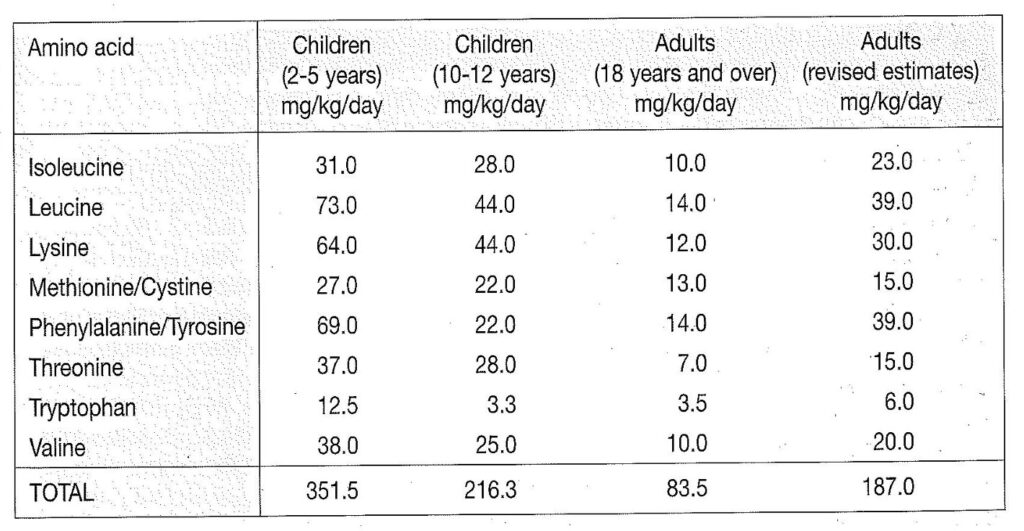
Table 1.2. Amino acid requirements for children and adults. (Ref.20,21)
amino acids in the intestine will stimulate the production of more amino acid receptor sites in the intestinal epithelium and will thus enhance amino acid absorption.26 Only a fraction of these amino acids is utilized to meet the body’s protein requirements, and the remainder must be converted into a form which the body can either store or utilize as an energy source. Excess proteins cannot be stored as such, as the body is geared largely for storing fat in the adipose tissues or carbohydrates, in the form of glycogen, in the liver and muscles. To meet these criteria, the amino acids must be metabolized resulting in the overproduction of potentially detrimental byproducts of amino acid metabolism. It would be wiser to limit the production of these compounds in the first place by reducing protein consumption to levels more in line with the daily requirements and increasing carbohydrate consumption to compensate for the concomitant energy decrease
Many recent studies have confirmed the adverse effects of dietary excesses of proteins, particularly animal proteins. High-protein diets are not only associated with cancer, but are also associated with kidney stone formation and progressive deterioration of renal function.27,28 Diets that are deficient in proteins can lead to the formation of bladder stones, but a strong correlation exists between the consumption of animal proteins and the formation of kidney stones. This is particularly apparent in affluent societies. In northern and western regions of India, animal protein intake is 100% higher than in the poorer southern and eastern regions and, consequently, the incidence of kidney stones is more than four times as high. Similar trends have been observed in a variety of other countries including Germany and Austria.29,30 Diets rich in animal protein also lead to the formation of calcium oxalate crystals because the urine composition is altered in a way which inhibits its ability to prevent crystals from forming.27 The urine levels of calcium and uric acid are increased when animal proteins are consumed whereas the levels of citrate are decreased, and it is the reduction in citrate levels which decreases the ability of the urine to inhibit crystal formation.
High-protein diets, particularly animal proteins, also have a significant calciuretic effect, that is, they cause the loss of calcium in urine,31,32,33 and urinary calcium loss is linked to osteoporosis. Diets that are deficient in proteins have also been shown to have a negative influence on bone formation, but this is certainly not the reason for the high incidence of osteoporosis in affluent societies. Rather, it is the high consumption of proteins that gives cause for concern in these societies. Prevention of osteoporosis, through following a sensible diet, is absolutely essential, because by the time osteoporosis is generally diagnosed, 50% to 75% of the original bone material has been lost.34
Animal protein sources contain greater concentrations of sodium than do plant protein sources, and they also have higher concentrations of sulphur-containing amino acids both of which cause calcium loss.29,35,36 The katabolism of dietary sulphur-containing amino acids increases the rate of acid excretion via the kidneys and this acid stress directly inhibits the renal reabsorption of calcium and leads to calcium loss. In a study done on young children, it was found that a high-protein diet increased calcium loss and the net acid excretion on the high-protein diet was nearly threefold higher than that observed with a low-protein diet.37 Sodium and calcium are reabsorbed at various common sites along the renal tubule, and a high sodium intake reduces the amount of calcium that can be reabsorbed from the renal filtrate, thus also leading to calcium loss. In contrast, plant protein sources such as soy protein, tend not to induce the loss of calcium,36 and soy protein sources such as tofu and soya milk maintain calcium equilibrium. A twofold increase in protein consumption causes a 50% increase in urinary calcium, but a soy based diet maintains calcium balance at a calcium intake of 457mg/day in spite of a 90g protein intake. Calcium plays an important role in many physiological functions including the metabolism of proteins, and if excessive amounts of calcium are lost, because of a high-protein uptake, the body will call on the reserves in the
bones, thus possibly laying the foundations for osteoporosis (for a more detailed discussion on osteoporosis see chapter 5).
Individual foods, even within food groups, vary in their protein and amino acid composition, and a comparison of these foods can thus help in the selection of food items which will ensure optimal supplies of proteins and essential amino acids, even in areas where food varieties are restricted. In table 1.4 the quantities of proteins and essential amino acids in a number of plant and animal foods are presented. Data for individual nuts and seeds is not included here as this information is dealt with later and is included in tables 7.14 and 7.15.
The total quantity of protein present, in the foods listed in table 1.4, is expressed in grams per 100g portions (% protein), but it must be remembered that percentage protein is not the best indicator of protein availability, as not all the protein is utilizable. Nevertheless, it does give an indication of protein quantities available, and together with the information on food combinations, that will provide optimum amino acid concentrations, can still serve a useful purpose. The extent to which proteins are actually utilized, is determined by a number of factors, including the concentrations of the essential amino acids present in the protein. The availability of a protein was termed its biological value, but the NPU (net protein utilization) is a better way of expressing the availability of proteins. The NPU is a combination of the biological value and the coefficient of digestibility of a protein, and is thus a more useful parameter than just the biological value. Both of these parameters, however, emphasize the importance of adequate concentrations of essential amino acids. The NPU can be improved by making the protein more digestible and by including a variety of plant protein sources in the diet to ensure a balanced supply of essential amino acids. The ways in which these objectives can be achieved, are discussed in chapter 7.
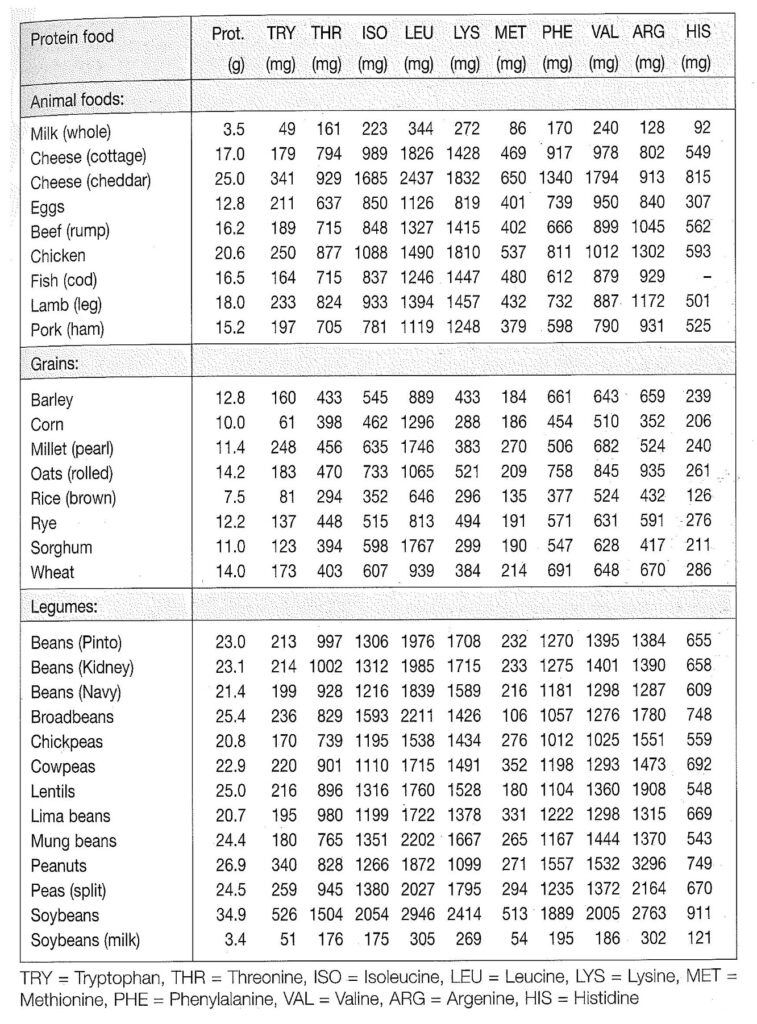
Table 1.4. The protein and amino acid composition of selected protein foods. The figures are for 100g edible portions. (Ref.38)
REFERENCES
- Kirk, D.L. 1980. Biology Today. Random House, Inc., New York.
- Schmidt-Nielsen, K. 1983. Animal Physiology: Adaptation and Environment. 3rd. Edit. Cambridge Univ. Press.
- Eckert, R. 1988. Animal Physiology. 3rd. Edit. W.H. Freeman and Company, New York.
- ADA reports. 1980. Position paper on the vegetarian approach to eating.
J.Am.Diet.Assoc.77:61-69.
- Bone, E; Tamm, A; Hill, M. 1976. The production of urinary phenols by gut bacteria.
Am.J.Clin.Nutr. 29:148-54.
- Sanches, A., Horning, M.C., Wingeleth, D.C. 1983. Plasma amino acids in humans fed plant proteins. Nutrition Reports International. 28:3.
- Carroll, K.K. 1991. Review of the clinical studies on cholesterol-lowering response to soy protein. J.Am.Diet.Assoc. 91:820-827.
- Kritchevsky, D., Tepper, S.A., Klurfeld, D.M. 1987. Dietary protein and atherosclerosis.
J.Am.Oil Chem.Soc. 64:1167-1171.
- Van der Meer, R. Beynen, A.C. 1987. Species-dependant responsiveness of serum cholesterol to dietary proteins. J.Am.Oil Chem.Soc. 64:1172-1177.
- Sanches, A., Horning, M.C., Shavlik, G.W., Wingeleth, D.C., Hubbard, R.W. 1985. Changes in levels of cholesterol associated with plasma amino acids in humans fed plant proteins. Nutr.Rep.Int. 32:1047-1056.
- Truswell, A.S. 1987. Evolution of dietary recommendations, goals and guidelines.
Am.J.Clin.Nutr. 45:1060-1072.
- Messina, M., Messina, V. 1991. Increasing use of soyfoods and their potential role in cancer prevention. J.Am.Diet.Assoc. 91:836-840.
- Bingham, S.A. 1988. Meat, starch and nonstarch polysaccharides and large bowel cancer.
Am.J.Clin.Nutr. 48:762-7
- Gibson, J.A.; Sladen, G.E.; Dawson, A.M. 1976. Protein absorption and ammonia production: the effect of dietary protein and removal of the colon. Br. J. Nutr. 35:61-5.
- Cummings J.H., Hill, M.J., Bone, E.S., Branch, W.J., Jenkins, D.J.A. 1979. The effect of meat protein and dietary fibre on colonic function and metabolism. II Bacterial metabolites in faeces and urine. Am.J. Clin. Nutr. 32:2094-101.
- Bingham, S.A. 1996. Epidemiology and mechanisms relating diet to risk of colorectal cancer. Nutrition Research Reviews. 9:197-239.
- Scrimshaw, N.S. 1996. Nutrition from womb to tomb. Nutrition Today. 31 (2), March
/April 1996. pp. 55-67.
- FAO/WHO, 1992. International conference on nutrition: nutrition and development – a global assessment. Rome: Food and Agriculture Organization., 1992.
- National Research Council, Food and Nutrition Board, Committee on Dietary allowances. 1980. Recommended dietary allowances. 9th rev. ed. Washington DC: National Academy of Sciences.
- Energy and protein requirements. Geneva, Switzerland: World Health Organization. 1985. Technical Report series No.724.
- Young, V.R. 1991. Soy protein in relation to human protein and amino acid nutrition.
J.Am.Diet.Assoc. 91:828-835.
- Scrimshaw, N.S. 1996. Human protein requirements: A brief update. Food and Nutrition Bulletin, 17 (3):185-190.
- Young, V.R. and A.E. El-Khoury. 1996. Human amino acid requirements: A re- evaluation. Food and Nutrition Bulletin 17 (3):191-203.
- Pellett, P. 1996. World essential amino acid supply with special attention to South-East Asia. Food and Nutrition Bulletin 17 (3):204-234.
- Blank, R.P., Diehl, H.A., Ballard, G.T., Melendez, D.D.S. 1987. Calcium metabolism and osteoporotic ridge resorption: A protein connection. J.Prosthetic Dentistry. 58:590-595.
- Karasov, W.H. and J.M. Diamond. 1983 Adaptive regulation of sugar and amino acid transport by vertebrate intestine: Editorial review. The American Physiological Society.
- Kok, D.J., Iestra, J.A., Doorenbos, C.J., Papapoulos, S.E. 1990. The effect of dietary excesses in animal protein and in sodium on the composition and the crystallization kinetics of the calcium oxalate monohydrate in the urine of healthy men. J.Clin.Endocrinol.Metab. 71:861-867.
- Walser, M. 1983. Nutritional support in renal failure: Future directions. Lancet. 1:340-2.
- Goldfarb, S 1988. Dietary factors in the pathogenesis and prophylaxis of calcium nephrolithiasis. Kidney International. 34:544-555.
- Goldfarb, S 1990. The role of diet in the pathogenesis and therapy of nephrolithiasis.
Endocrinology and metabolism clinics of North America.19:805-820.
- Howe, J.C. 1990. Postprandial response of calcium metabolism in postmenopausal women to meals varying in protein level/source. Metabolism. 39:1246-1252.
- Einhorn, T.A., Levine, B., Michel, P. 1990. Nutrition and bone. The Orthopaedic Clinics of North America 21:43-50.
- Kitano, T., Esashi, T., Azami, S. 1988. Effect of protein intake on mineral (calcium, Magnesium, and phosphorus) balance in Japanese males. J.Nutr.Sci.Vitaminol. 34:387-389.
- Lukert, B.P. 1982. Osteoporosis: a review and update. Arch.Phys.Med.Rehabil. 63:480-7.
- Zemel, M.B. 1988. Calcium utilization, effects of varying level and source of dietary proteins. Am.J.Clin Nutr. 48:880-3.
- Kaneko, K., Masaki, U., Aikyo, M., Yabuki, K., Haga, A., Matoba, C., Sasaki, H., Koike,
G. 1990. Urinary calcium and calcium balance in young women affected by high protein diet of soy protein isolate and adding sulfur-containing amino acids and/or potassium. J.Nutr.Sci.Vitaminol. 36:105-116.
- Nakano, M., Alon, U., Jennings, S.S., Chan, J.C.M. 1989. Protein intake and renal function in children. AJDC. 143:160-163.
- Williams, S.R. 1989. Nutrition and diet therapy. 6th. ed. Times/ Mirror Mosby College Publishing. St. Louis.