
A matter which has received much media attention, is the calcium content of milk and dairy products. It certainly is true that dairy products do contain fair amounts of calcium, but a large proportion of the calcium in milk is combined with casein in the form of calcium caseinate. Dairy products are also not the only source of calcium available to humans, as grains, legumes, seeds, nuts and many vegetables are excellent sources of calcium. Moreover, fractional absorption of calcium from these sources is higher than from milk. A study done on whole-wheat products showed that fractional calcium absorption from whole-wheat bread exceeded the absorption of calcium from milk, ingested at a comparable load, in the same subjects.25 Not only is the absorption rate of calcium higher from plant sources, but animal sources seem to cause calcium loss in view of the nature and the concentration of the proteins which they contain. Table 4.3 lists the calcium levels in some dairy products and plant foods.
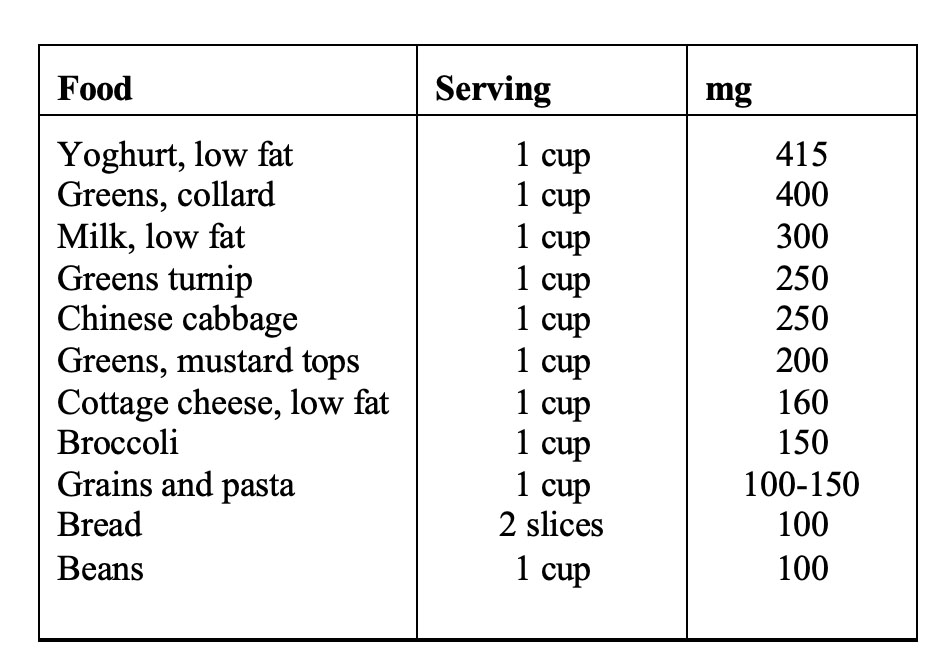
Table 4.3. Calcium levels in selected foods. (From reference 26)
Foods vary in their composition, and in the case of seeds, grains, beans and vegetables, there are considerable differences in calcium content of different varieties and in general, dark green vegetables are a good source of calcium. In addition to the foods listed above, almonds, sesame seeds, sunflower seeds, soybean products such as bean curd and soy flower, carob, chick peas, haricot beans, mung beans, garlic, parsley, watercress and dried fruits (especially figs) are good sources of calcium.
Calcium utilization is governed by complex processes, and the absorption, bone deposition and excretion of calcium is strongly influenced by other dietary components. It is well documented that increased protein consumption causes calcium loss in the urine,27,28 and this is particularly true in the case of proteins from animal products.29 An investigation into the effects of various protein diets on calcium retention showed that proteins from dairy products, such as cottage cheese, caused considerable calcium loss in the urine.30 The culprit here seems to be casein, and other studies seem to corroborate this. In one study it was found that casein fed to weanling rats caused kidney calcification, an effect which was not observed if the protein came from another source.31 If calcium losses exceed absorption, then a negative calcium balance exists, and calcium must be mobilized from bone in order to maintain plasma calcium levels in a dynamic state. This loss of calcium from bone can eventually lead to osteoporosis. It is, therefore, not surprising that osteoporosis seems more prevalent in countries where the consumption of dairy products is high.32,26 In table 4.4 the incidence of osteoporosis in various countries in relation to the consumption of proteins and dairy products is presented, and in figure 4.9, the relationship between dairy consumption and osteoporosis (expressed as hip fracture rate per 100 000 women) is presented.
Although dairy products are rich in calcium, paradoxically, it is apparent from the above data that the calcium from milk is not synonymous with healthy bone structure (see chapter 5 for more information on dairy free diets and osteoporosis). Moreover, calcium supplementation does not provide a solution for the dilemma, as countries, such as the United States, with the highest supplementation rates still have among the highest rates of osteoporosis. Not even in lactating women does calcium supplementation seem to have much of an effect in either white or black women. In one study on White, middle class women it was found that absorption of calcium from the intestines was not increased during supplementation compared to lactating women on low calcium diets. The calcium needs for milk production were met by decreased urinary excretion and increased bone resorption and not by increased intestinal absorption despite high calcium intakes.33
In a study on Gambian women similar results were obtained. Gambian women normally have a low calcium diet based largely on rice, millet, groundnuts and fish. This diet provides less than 300 mg/day of calcium which is considerably lower than current recommendations for lactating women. Increasing the calcium level threefold to bring it line with FAO/WHO recommendations had no discernable effect on breast milk calcium concentrations or on the maternal bone mineral content. This suggests that there was no benefit from increasing the calcium intake during lactation.34 The women in the supplementation group had consumed a total of 0.26 kg (one quarter to one third of the whole- body calcium content) after 52 weeks, and showed significantly greater urinary calcium output (7% of the dose). As the bone mineral content did not change, the researchers concluded that the rest of the additional calcium was just not absorbed from the intestinal tract.34 This study underlines the fact that calcium needs can be adequately met by even low calcium diets that contain no dairy products.
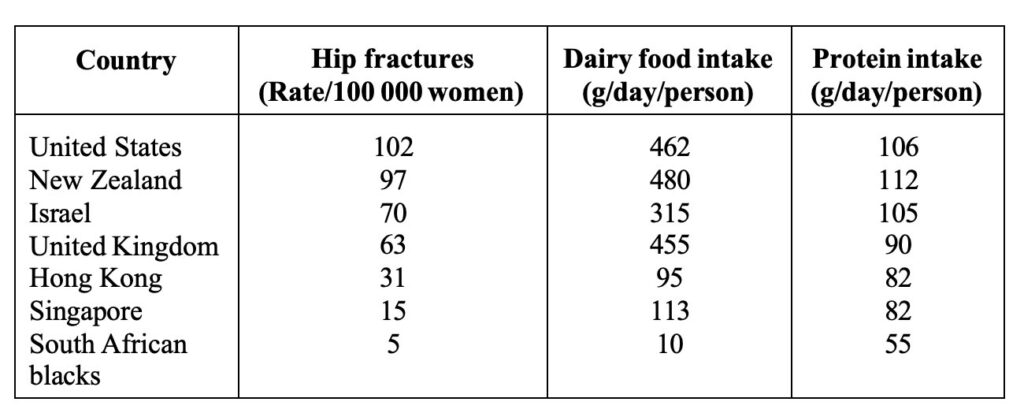
Table 4.4. Correlation between osteoporosis, dairy food and protein consumption by countries. (Adapted from reference 26).
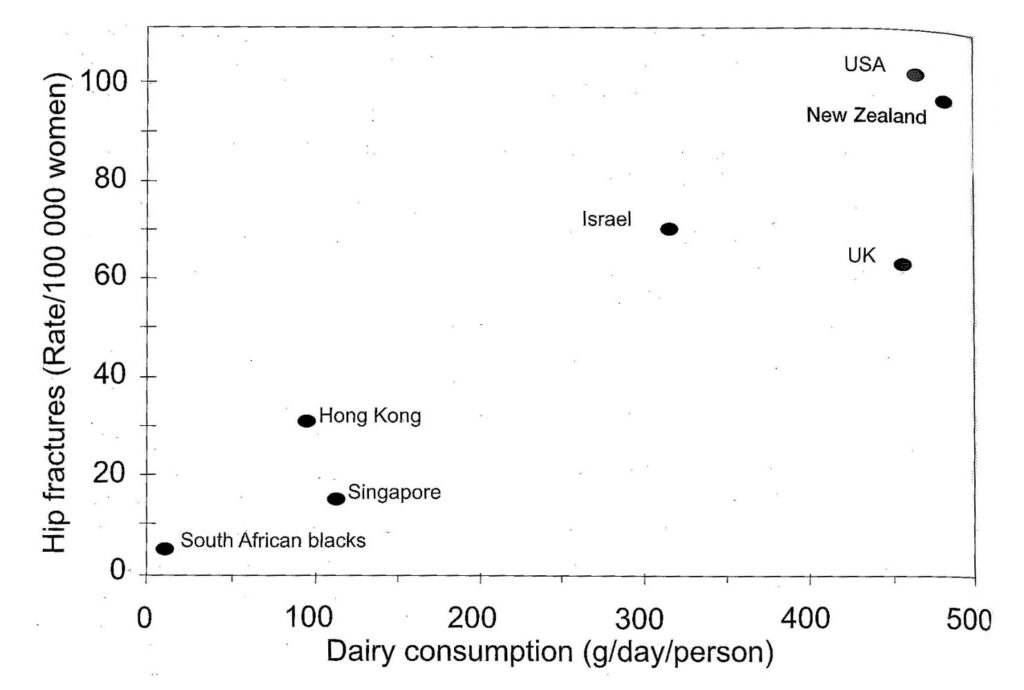
Figure 4.9 Correlation between osteoporosis and dairy food consumption by countries. (Adapted from reference 26).
In our own laboratory we have consistently found that animals (sheep, rats, rabbits and vervet monkeys) fed animal proteins, particularly casein or dairy products showed significant increases in urinary calcium levels, compromised bone status, and in common with the other studies, reduced intestinal absorption. In a current study on Vervet monkeys conducted at the Primate Unit of the Medical Research Council in South Africa two groups of monkeys were fed diets containing equivalent quantities of calcium, but one group received largely milk powder as protein source whilst the other group received kidney beans and maize as protein source. Stool calcium analyses showed that absorption of calcium was significantly lower in the dairy group than in the bean/maize group irrespective of whether they were on a high (17%) or low (8%) protein diet thus demonstrating the adverse effect of dairy products on calcium utilization.35