
Food additives are substances which are added to food, but are not commonly regarded as food. These substances can be added at any stage of the manufacturing process and affect the keeping quality, texture, appearance, odour, acidity or alkalinity and the consistency of the food. Colorants, antioxidants, preservatives, emulsifiers and stabilizers as well as numerous miscellaneous additives such as sweeteners, solvents and improving agents fall into the category of food additives. In most countries their use is extensive, and they are controlled by comprehensive legislation. In the following discussion a brief overview of some commonly used additives is given, with discussions on their impact on health. It is not the intention to create the impression that all food additives are bad, or that the various legislative bodies permit the use of food additives without due consideration for the well-being of the consumer. However, a great deal of controversy surrounds the use of some of these substances, and the current scientific literature provides sufficient evidence for circumspection in their use.
The 1984 UK food act does not include vitamins and minerals, that are added to foods to fortify them, as additives, and neither are herbs and spices, hops, salt, yeast or yeast extracts, the products of food protein hydrolysis or autolysis, starter cultures, malt or malt extracts, air or water regarded as additives. Finally, substances that are in foods as a consequence of crop management or animal husbandry do also not fall under the regulations controlling food additives. This last category thus excludes substances such as pesticides, fumigants, sprout depressants, veterinary medicines and substances that are added to the feed of animals. In table
6.2 the European Community categories of food additive are listed and the table also contains information on the stage of functionality of the additives.

Table 6.2. List of food additives as defined by the EC and classification on the basis of their technical effects. (Adapted from references 28 and 29)
An extensive body of legislation guides the use of food additives on national and international levels. The international evaluation of the safety of Food Additives is undertaken by the Joint FAO/WHO Expert Committee on Food Additives (JECFA) which also develops specifications on the purity of these substances. In recent times there has been an increase in public awareness of the potential health effects of the thousands of food additives which are utilized by the food industry, but unfortunately sufficient information to make informed judgements on their safety is often lacking. The safety of additives is mostly assessed from long-term feeding trials, where additives are fed to experimental animals in doses which exceed those to which humans would generally be subjected, and the ADI (acceptable daily intake) is then determined. Although new compounds are subjected to this type of testing before they can be used as food additives, many substances that were in use prior to the new regulations, are used without knowledge of their potential toxicity. In the USA these compounds are listed, under a special clause, on the GRAS (Generally Regarded as Safe) list of food additives
The conventional methods of testing for toxicity are directed mainly at pathology, and effects on reproduction, embriotoxicity, tetragenicity and mutagenicity are normally assessed. There are, however, other criteria, which are equally as significant in determining the safety of food additives, which are not as readily resolved by conventional trials, and these include functional defects such as behavioural abnormalities and effects on the intelligence. Moreover, it is often difficult to pinpoint the levels of exposure to food additives, particularly as new products appear and old ones are replaced at rates which make long-term assessment difficult.30 The quantities of food additives which may be added to foods are only prescribed for certain
categories of additives, and in the case of colorants, emulsifiers, stabilizers, solvents and most miscellaneous additives, there are mostly no prohibitions as to the amounts of these substances which may be used in foods, although their use may be restricted to certain categories of foods. Maximum daily ingestion of some food additives has been estimated to be up to 100mg/day of azo colours, 50mg/day of non-azo colours, 200mg/day of antioxidants and 1g/day of benzoate products.31 It is, therefore not surprising that adverse effects, ascribed to food additives, are being reported more and more in the literature. Interest in this topic was stirred when Finegold, the paediatric allergist, who alleged that many children suffering from hyperactivity and minimal brain dysfunction were actually sensitive to certain constituents in their diet, singled out synthetic food colours and flavourant as being among the chief offenders.32 Finegold came under much criticism, but a large body of current research shows that his assertions cannot be summarily rejected.33 Much of the criticism revolves around the relatively low doses of additives to which humans are exposed, compared to clinical trials which take place in the laboratories. It must, however, be remembered that in clinical trials the animals are subjected to one agent at a time, whereas humans are subjected to numerous additives simultaneously. Moreover, laboratory rats are fed high-fibre diets, whereas modern Western diets are very low in fibre, and it has been established that low-fibre diets greatly magnify the toxic effects of colorants and other additives. Beside Finegold’s assertions, a surprising number of the symptoms associated with food allergies have been reported, and some of these are summarized in table 6.3.
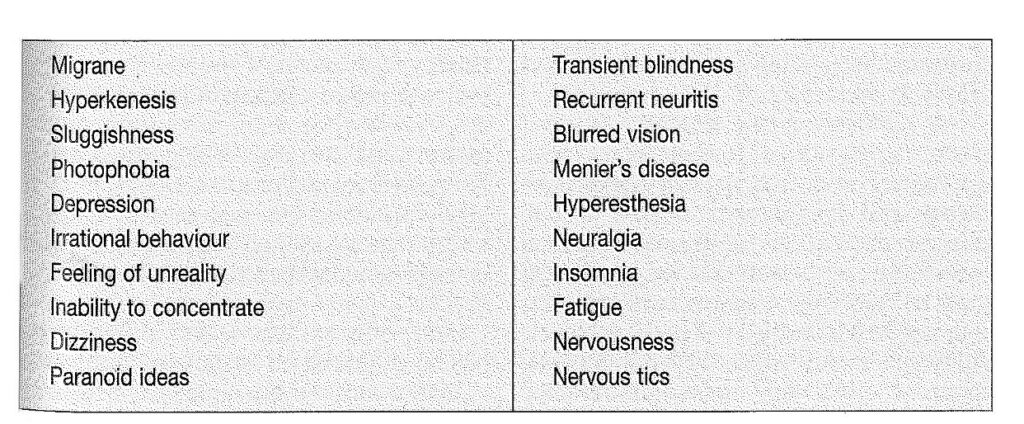
Table 6.3. Neurobehavioural reactions attributed to food allergy. (From reference 33)
Artificial and Natural Colorants
Colorants are used to make the food more acceptable to the consumer, but since many adverse reactions to artificial colorants have been reported, many of these have been banned in some countries and natural colorants are being used more frequently. In the UK some foods are not permitted to contain added colorants, namely raw meat, game, poultry, fish, fruit or vegetables, tea, coffee, condensed or dried milk, cream and certain types of bread. Bread, cheese and butter may contain a restricted number of dyes, and raw meat may be coloured with the basic dye methyl violet. Allergic reactions or intolerant responses have been reported for most of azo dyes used as food colorants, and in some countries (Norway) they have been banned. In other countries, including Sweden, Finland, Austria, Greece and Japan, their use has been severely restricted. Nevertheless, azo dyes are still used extensively throughout the world in spite of the reported health hazards.
Some of the more common azo colours include amaranth (red), azorbin (red), brilliant black, sunset yellow (yellow), carmousine and tartrazine (yellow), most of which are potential allergens as demonstrated in their potential to induce histamine release by leukocytes of normal and urticaria patients.31 A similar, though reduced potential, was also demonstrated for non-azo colours such as quinoline yellow, green S and indigo carmine. Colorants have been shown to induce asthma, rashes, hay fever, blurred vision and tummy upsets. Moreover their role in inducing hyperactivity and other behavioural disorders in children has been clearly established. In one study, a group of children on an additive-free diet, were given a
cookie containing a blend of eight food colours. Within three hours after the ingestion of the cookie some of the children showed impaired perceptual-motor performance and increased hyperactive behaviour with the greatest effect being on the youngest individuals.33,34 Impaired learning ability is another negative response to colorants, and some children develop a short attention span, whine and tend to throw tantrums.33
Azo compounds have also been reported to effect aggregation of platelets, and to have an inhibitory effect on both prostaglandin synthetase and thromboxane activity, though these claims have been challenged. Tartrazine in particular has been implicated in cases of acute urticaria angio-oedema, eczema, asthma, nausea and migraine attacks by impacting on the immune system.35,36 Some of the caramels, particularly ammonia caramel, have been shown to have lymphocyte depressing effects, and the orange/red colorant canthaxanthin, which is used to obtain artificial browning, has been found to produce crystalline deposits on the retina. Another red colorant, erythrosine, has been shown to affect thyroid function and may have oncogenic and carcinogenic effects. Concern about these issues has prompted a reduction of the ADI and NEL (no effect level) for most of these compounds.37 In the USA the colorant amaranth and ponceau 4R (red) are also banned.
Natural food colours are becoming increasingly popular, and the main classes are the carotenoids, beetroot extract, anthocyanins, riboflavins, cochineal, chlorophylls and naturally coloured foods such as paprika, turmeric, saffron, and sandalwood together with extracts of these materials. Though sensitivity to natural colorants is considerably lower than artificial colorants, in some cases they may also elicit a negative response. Overall it can thus be said that avoidance of food colorants can only be of advantage to the consumer.
Antioxidants
Antioxidants are added to oils and fats to prevent rancidity and normally this is best achieved when mixtures of antioxidants are used for this purpose. Natural antioxidants include some vitamins (particularly vitamin E and ubiquinols) and some phenolic compounds occurring in foods, especially spices. Most regulatory bodies permit the use of various gallates such as butylated hydroxyanisole (BHA) and butylated hydroxytoluene (BHT) in dairy products and fats. Some directives also regard calcium disodium EDTA as an antioxidant for use in salad dressings and mayonnaise. BHA and BHT are used mainly for the protection of unsaturated fats and oils as well as baked goods, cereals, nuts (particularly walnuts), milk powder and in dehydrated potato products such as potato chips and snacks.
The safety of these synthetic antioxidants has been questioned lately,38 and in the case of BHA sufficient evidence for carcinogenicity in experimental animals has been found to prompt changes (but not withdrawals) in the recommended usage of this compound.37,39 BHA has been shown to produce hyperplasia and/or tumours in the forestomach of rats, mice and hamsters.37 BHT, on the other hand, has been shown to have adverse effects on thyroid function, and haematological studies have also revealed that some, but not all, species show haemorrhaging effects and/or reduction in prothrombin index.38 Some evidence also exists for a carcinogenic effect of BHT, as demonstrated by two recent Danish and Japanese studies.37
The natural antioxidants, such as the tocopherols (vitamin E) and ubiquinols have a cyclic nucleus and a hydrocarbon tail, and the antioxidant properties are produced by the cyclic nucleus of these molecules. When these compounds form part of the membrane systems of cells, the orientation in cell membranes is, however, accomplished by the other components of the molecules. Synthetic antioxidants contain only the fragments which ensure the antioxidant properties of the compounds, and this may be the source of their destructive and perturbative action on cell membranes and can explain their toxicity.40 Natural antioxidants can be very
effective, and research has shown that they can compete with the synthetic varieties.41
Emulsifiers and stabilizers
Emulsifiers are used to disperse tiny globules of one liquid in another so that they will stay mixed. Their use has made it possible to market oil-containing foods, such as peanut butter and margarines, that will not separate and so are instantly usable. Emulsifiers are used extensively in the baking industry to help increase volume and to effect the fineness of the grain. Stabilizers and thickeners are used to bind together solids and liquids so that they will not separate. They are used in ice-cream, many cake and pudding mixes, cheese spreads, salad dressings, soups and many others too numerous to mention.
Most commercial stabilizers and thickeners are pure plant extracts, and the use of plant gums for this purpose, is quite extensive. Gums are extracted from seaweed, trees and seeds, while cellulose derivatives are obtained from wood pulp and cotton. The seaweed extracts include agar, algin, carrageenan and furcellaran. The tree gums include arabic, ghatti, karaya, larch and tragacanth. Then there are still extracts of seeds which include guar, and extracts from the carob bean, and finally the commonly used cellulose derivatives are methylcellulose, carboxymethyl-cellulose and hydroxypropyl-methylcellulose. The most commonly used natural emulsifier is lecithin which is obtained from soybeans and other vegetable oils, but synthetic mono-, di- and triglycerides are also extensively used. Synthetic stabilizers and emulsifiers are used extensively in the baking and dairy industry, and in the UK the permitted substances include stearyl tartrate, complete glycerol esters, partial glycerol esters, partial polyglycerol esters, propylene glycol esters, monosteatrin sodium sulphoacetate, Sorbitan esters of fatty acids and their polyoxyethylene derivatives, cellulose ethers, sodium carboxymethyl cellulose and acetic and tartaric acid esters of mono- and diglycerides. Some of these compounds are suspected to be carcinogens, and approval for the use of some of the polyoxyethylene compounds has been withdrawn in some countries.
Solvents
Solvents are used to dissolve raw materials and concentrates and they are also used to incorporate flavours, oils, colours, antioxidants and vitamins into foods. Many of the compounds used are considered to be health risks, and the use of some of these compounds has been banned in some countries. In the UK, solvents are categorized as carrier solvents, extraction solvents and processing solvents. The list of permitted solvents in the UK is presented in table 6.4. The list is extensive, and raises questions as to the desirability of consuming foods treated in this way, particularly since some are suspected of having carcinogenic properties.
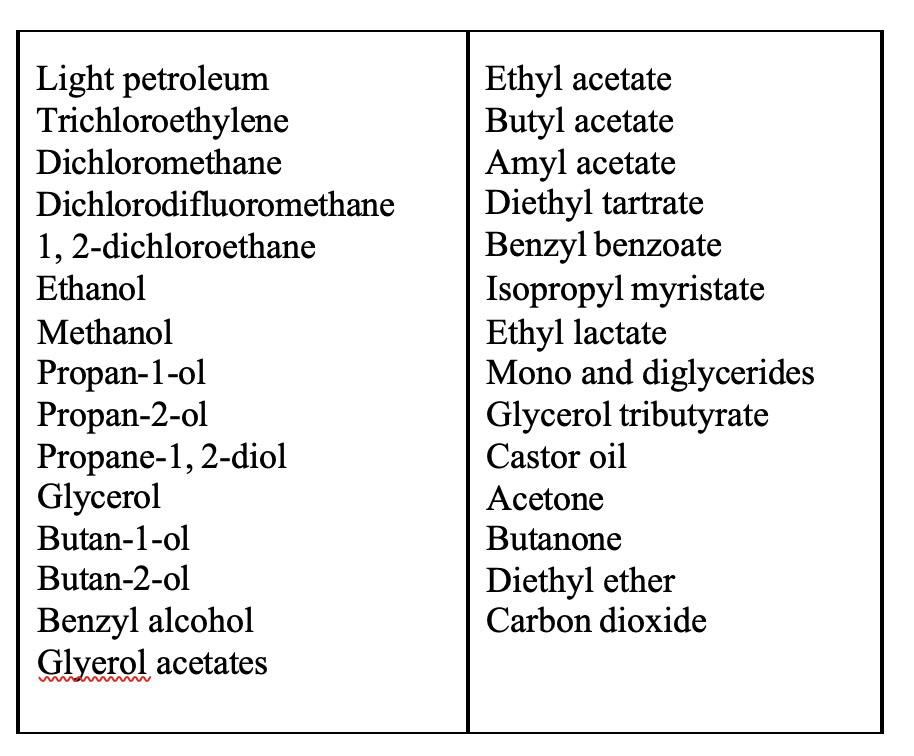
Table 6.4. The FACC recommended list of solvents.(From reference 28)
Preservatives
Preservatives are used to prevent the growth of mould, or as antimicrobials. Food preservation is a very old industry, and since ancient times food has been preserved by drying, smoking or by the addition of salt or sugar. Today, food preservation has become a huge industry, and beside the ancient methods, canning, bottling and refrigeration are extensively used to preserve foods. With the expansion of the chemical industry, however, the use of synthetic organic and inorganic preservatives has become fashionable in the food industry.
The most commonly used inorganic preservatives are sulphur dioxide, nitrates and nitrites. Sulphur dioxide is used in gaseous form, in solution as sulphurous acid, or as sulphites of sodium, potassium or calcium. It prevents the browning of foods and also inhibits the growth of moulds, and it is used extensively in the preservation of fruit juices and dried fruits. Sulphur dioxide is known to destroy vitamin B, but it helps to preserve vitamin C, however, its use is also associated with asthma.31 Sodium and potassium nitrate and nitrite are used mainly in the curing of meats and in some cheeses, but concern about their possible carcinogenic effect has prompted stricter control over these compounds in some countries. Their use is restricted in most European countries, and because they have the potential to form nitrosoamines and to interfere with the metabolism of infants and young children, they may not be used in infant foods in the UK.28
Nitrites have a powerful antimicrobial action, but they also influence the flavour and colour of the food. The pink colour of bacon and ham is due to their action on haemoglobin which is converted to nitrosohaemoglobin. Although the use of these compounds is restricted in infant foods, this does not prevent the consumption of treated foods by young children. Indeed, cured meats are advertised as the ideal food for growing children, an issue that should be of some concern to responsible adults. Sodium nitrite can also cause headaches, skin rashes and gut disturbances.4 Another prohibited inorganic preservative is boric acid which is not used because it is cumulative, however it is still used for the preservation of caviar.28
The most extensively used organic preservatives are benzoic acid, 4-hydroxybenzoates, salicylic acid, parachlorobenzoic acid, dehidroacetic acid, propionic acid, sorbic acid and sodium diacetate. Many of these products are used in the preservation of breads and flour confectionery. Benzoic acid and benzoates are used for the preservation of some jams, fruit juices, desserts, tinned fruits, salad creams, yoghurt, sauces and margarines. It is also an effective agent against the growth of yeasts and moulds. Benzoic acid is also a natural ingredient in some small berries. Benzoic acid has been implicated in urticaria and most of the symptoms associated with a sensitivity to tartrazine.35
Flavour enhancers
Monosodium glutamate (MSG) and the ribonucleotides disodium inosinate and disodium guanylate are commonly used as flavour enhancers in processed foods. The use of MSG is extensive, and annual world production of this compound exceeds 300 000 tons. MSG is a neurotoxin which effects the destruction of the arcuate nucleus (AR) of the hypothalamus when administered to mice.42,43 MSG is converted into the amino acid, glutamic acid, which is known to have neuroexcitory properties, and glutamate is also implicated in neurotransmission. Interest in MSG was stimulated after some people experienced symptoms such as tightening of the face and chest muscles and also a burning sensation in the upper body as well as headaches. This was called Chinese restaurant syndrome, because it was frequently experienced by patrons of Chinese restaurants and was traced to the liberal use of MSG by Chinese chefs.
Other symptoms associated with MSG are dizziness, diarrhoea, nausea and stomach cramps. Some children experience shudder attacks which may be mistaken for epilepsy, and long-term exposure in mice can lead to obesity.42,33 The most serious side effect of MSG is, however, its neurotoxic effect which also affects the endocrine function. MSG has been reported to depress growth hormone levels, and levels of prolactin and sex hormones are also affected.44,45,46 Such findings should make one extremely cautious of using MSG, and replacement products such as protein hydrolysates should also be avoided as they also contain large amounts of glutamate and thus have the potential to elicit similar effects.
Sweeteners
Non-carbohydrate sweeteners are divided into two classes, those with a sweetness similar to sucrose are called bulk sweeteners and those with a sweetness that greatly exceeds that of sucrose are known as intense sweeteners. Bulk sweeteners supply similar calories as sugar, but as they are not metabolized in the same way, they are used as substitutes for sugar in the preparation of diabetic foods and they are also used in foods that are stored at low temperatures such as ice-cream. Bulk sweeteners include hydrogenated glucose syrup, sorbitol, mannitol, xylitol, lactitol and isomalt. The intense sweeteners include the synthetic sweeteners (artificial sweeteners) saccharin, cyclamate, aspartame, acesulfam-K, thaumatin, stevioside, sucralose and alitame.
The most controversial sweeteners are the cyclamates and saccharin. Cyclamates are banned in many countries on the strength of laboratory experiments which indicated that they could be tetragenic and carcinogenic. The evidence for these phenomena is, however, controversial. The IARC monographs list saccharine as a chemical for which there is sufficient evidence for carcinogenicity,37,39 but it still remains on the list of approved food additives. Aspartame is another problem sweetener because its effect is similar to that of MSG.33
Although the above list of food additives is by no means complete, it should be clear that the issue is indeed worthy of some concern. Legislation governing the use of food additives is not equally explicit in all countries, but most responsible bodies realize their duty in keeping the public informed. In most countries there is legislation which enforces the proper labelling of food items sold to the general public, and most nutritional organizations support the right of the public to know what is in the food they buy. In the United States new labelling guidelines are being considered with this very purpose in mind. The positions of the American Institute of Nutrition, the American Society for Clinical Nutrition and the American Dietetic Association also clearly underscore the policy that sound nutritional information should be provided to the
American public. They, however, also acknowledge the fact that substantial improvement in nutrition education of the public is necessary for food labelling to serve its purpose effectively.47 The policy of comprehensive food labelling affords each indivi