
As more information on nutrition-related diseases has become available, so guidelines for healthful living have changed to bring them in line with current thinking. The modern guidelines as suggested by most health bodies are summarisied in table 7.1.
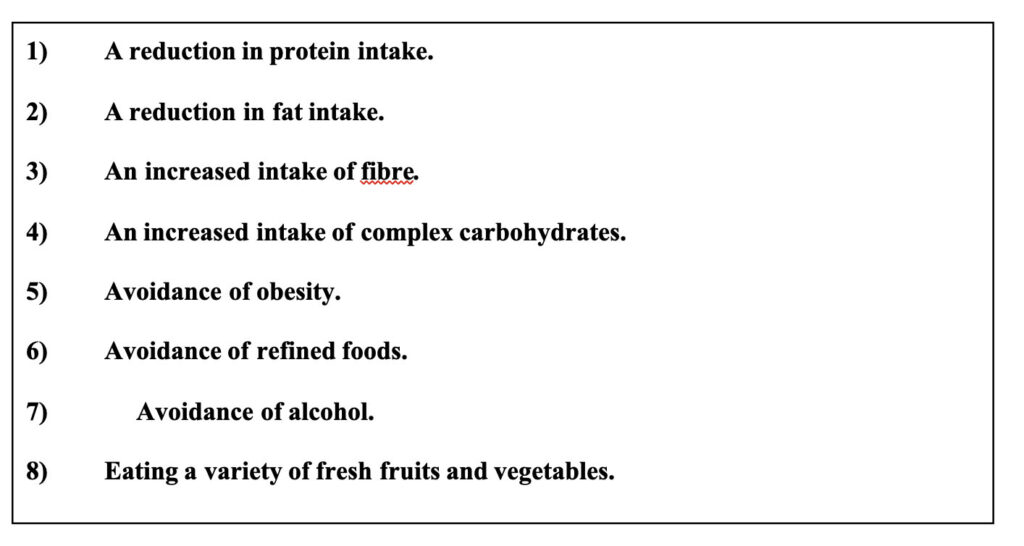
Table 7.1. Guidelines to healthful living as recommended by most health bodies.
For vegetarians, in addition, increased consumption of cereals, nuts, and legumes is recommended, together with fortified soy milk or nut milk.13,14,15 A whole-food programme can answer all these requirements and will provide essential nutrients in the right proportions. High-protein diets should also be avoided, and carbohydrates rather than proteins, should enjoy pride of place. A balanced diet must, however, contain adequate quantities of all the primary nutrients, and it is suggested that carbohydrates should comprise approximately 60-70% of the diet, and proteins and fats the remaining 30-40% (fig.7.1). There is, however, no hard and fast rule concerning this relationship, and some people may require more of the oil-rich foods than others, particularly if they tend to be underweight. A whole-food programme automatically ensures an appropriate relationship between primary nutrients, and there is no need to be armed with a calculator when preparing a meal. Adjustments to suit the individual needs are all that is required, and in the case of young children who are vegetarians, it should be remembered that they also need to proportionally consume more of the energy-, protein-rich foods such as grains, legumes, and nuts, than do adults, in order to boost their energy intake as discussed in chapter 5.16,17
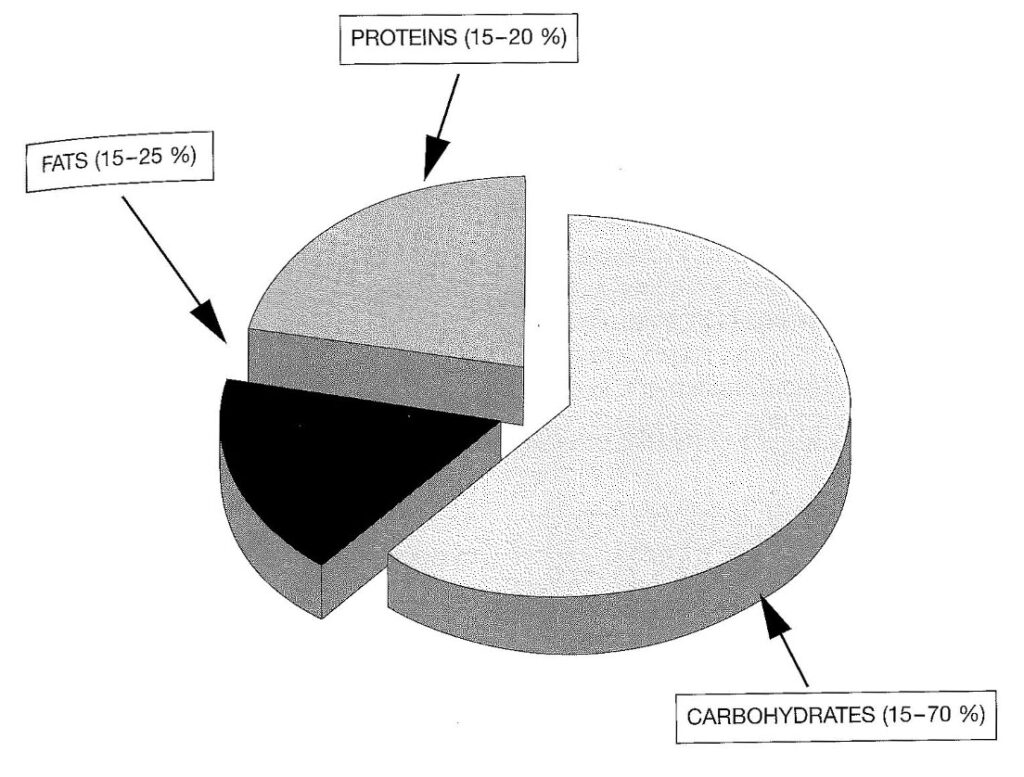
Figure 7.1. Recommended consumption of primary foods.