
Grains have formed the mainstay of human nutrition for thousands of years, and it is indeed a pity that modern man has so restricted the use of this primary food source in his diet. The few grains that are still consumed are robbed of most of their nutrient value through the process of refining, and it is therefore not surprising that this generation is characterized by disease and obesity. Refined foods supply largely empty calories, and they not only rob the body of essential nutrients, but they also take away one’s appetite for wholesome foods. Eating whole grains will certainly lead to improved health and they can provide a whole new eating experience. The grains can be prepared in many ways as long as the components are not removed by refining.
Grains are classed as carbohydrate foods, as they contain on average 75% starch, and in addition to starch, whole grains contain some 10-15% protein, 2% fat and are also rich in fibre, vitamins and minerals. Grains contain important quantities of the B-group vitamins, and if incorporated regularly in the diet they can contribute substantially to the daily requirements for this group. Ascorbic acid (vit.C) is lacking in grains, but if sprouted, this vitamin is also produced. Vitamin A and D are also absent in grains, but yellow maize contains the carotenoids cryptoxanthin and small amounts of α- and β-carotene, which are vitamin A precursors. Grains also contain anticarcinogenic compounds such as inositol hexaphosphate and other compounds with suspected anticancer activity (see table 7.18).
The germ of grains contain tocopherols (vitamin E) which are natural antioxidants and protect the body against the formation of free radicals. The germ also contains some complete protein, and the vitamins in the germ are essential to carbohydrate and fat metabolism, but because it is the component of wheat that spoils first, it is mostly removed in the refining process. Thiamin, riboflavin, niacin and vitamin B6 are all present in grains, but the quantities can vary depending on the kind of grain and on the soil and climatic conditions. The bran is rich in the B-complex vitamins and fibre, but it is also removed in the refining process.
Refined grains rob the body of essential dietary components and will lead to decreased vigour and gastrointestinal disturbances, particularly constipation. In modern societies it has become customary to offset this imbalance by adding wheat-germ or bran to the diet. Indeed, some modern breakfasts can consist almost entirely of bran under the assumption that one is getting a good, healthy start for the day. Eating a daily ration of fibre in one meal, does nothing for subsequent meals and contributes little to solving the problems associated with a low fibre diet. The nutrients in a high bran and wheat germ diet are in the form of proteins, fats and minerals. However, the protein and mineral composition of bran and germ are totally disproportionate to the overall needs of the body as the ratio of protein to utilizable carbohydrate is such that energy requirements must be met by metabolizing proteins or fats. Unrefined grains will supply primary nutrients, vitamins and minerals in well-proportioned quantities. They will ensure gastric regularity, and lead to better overall health.
Whole grains can be used in a variety of ways: The grains can be soaked and cooked whole like rice, they can be sprouted and eaten raw or cooked in stir fries etc., porridges can be prepared from cooked rolled grains or liquidized soaked whole grains, grains can be used in baked dishes or in patties or they can be roasted and used in muesli and granola. Sprouted grains, or
grains soaked to the point of sprouting, can be eaten raw but most grains should be well cooked before eating because they contain protein inhibitors which inhibit the activity of digestive enzymes.33,34 These inhibitors are, however, inactivated by heat or sprouting. Grains (dry or soaked) can be readily frozen for storage if they are to be kept for long periods of time. Again, it can be emphasised, that it is important to concentrate on variety, as different grains have different attributes as the following discussion will show.
Barley (Hordeum vulgare or H. sativum)
The composition of barley is presented in table 7.5.
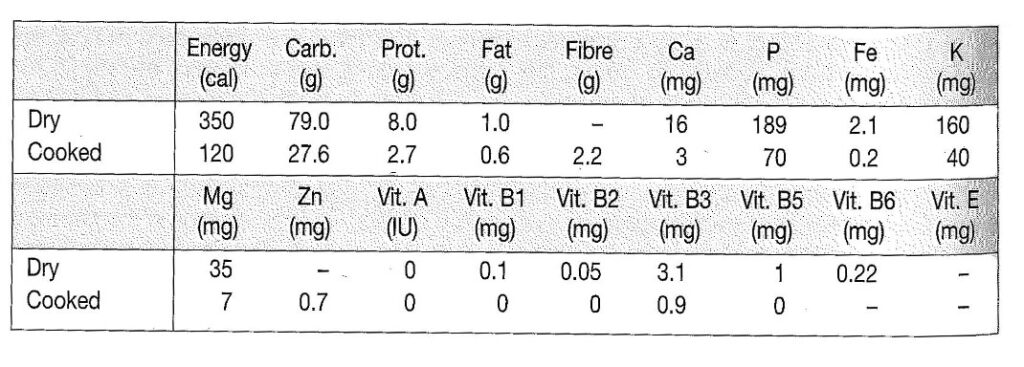
Table 7.5. The composition of barley. The figures are for 100g portions. (From ref. 35,36,37.)
There are many varieties of barley, and it has been cultivated for centuries, particularly for the preparation of beer which was already drunk by the ancient Egyptians.38 Besides being one of the major raw materials of beer, it was used as a food source by the ancient civilizations of China, Egypt, Greece and Rome, and in countries with cold climates it is still used extensively today. Barley is known for its heat-producing qualities and should become a regular component of soups, stew and breakfast cereals, particularly in winter. Barley can also be used in baking where it will add flavour and retain moisture, and if sprouted, it will add even greater nutritive value to the diet.
Barley is easy to digest and is rich in pantothenic acid (vitamin B5) which is essential for the intermediary metabolism of carbohydrates, fat and protein. Because vitamin B5 is incorporated into co-enzyme A, it is involved in the release of energy from carbohydrates and in the metabolism of fatty acids which probably accounts for barley’s heat-producing qualities.
Corn (maize, mealie) (Zea mays)
The composition of corn or maize is presented in table 7.6.
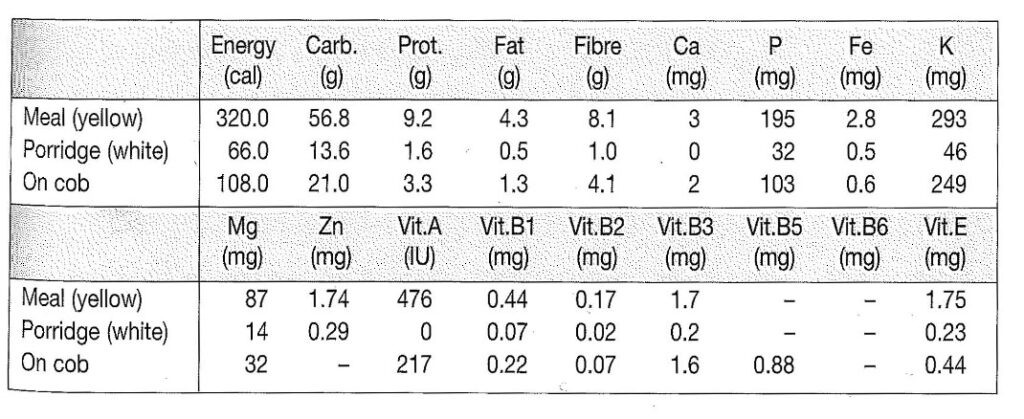
Table 7.6. The composition of corn. The figures are for 100g portions.(From ref. 35,36,37)
Corn often means different things to different nations, but most often it refers to the grain which grows on the cob. It is also known as maize and it forms the staple diet of many nations. Corn was cultivated in South America where the American Indians referred to it as “the daughter of life”. Maize meal is used extensively by African nations but unfortunately here too the refined product is nowadays preferred.
Yellow maize and sweet corn contain carotene, and thus contribute to vitamin A requirements, but overall maize is lower in nutritive value than most other grains. Furthermore, as maize meal
has a large capacity for water absorption, it is not advisable to rely extensively on cooked maize meal porridges to supply one’s energy needs, as a look at the composition table will show. It should be noted that cooked maize meal porridge will absorb up to six times its mass in water, and if eaten as the sole energy supplier will thus fill the stomach largely with water without providing sufficient energy. This is particularly important in the case of young children, as they have a limited stomach capacity.39,40
African people prepare maize meal in such a way that far less moisture is retained and the cooked product then has a dry, crumbly texture. This is known as “putu”, and prepared in this way the energy per volume is greatly increased. Putu can then be eaten as one would eat rice together with stews and vegetables, or it could be combined with stewed fruit to make a very palatable breakfast. Combining corn with legumes will improve the protein and mineral quality, and the quality of corn bread will thus be enhanced by adding a little soy flower to the mixture. If these points are borne in mind, corn can form a versatile, nutritious part of the diet.
Millet (Panicum miliaceum)
The composition of millet is presented in table 7.7.
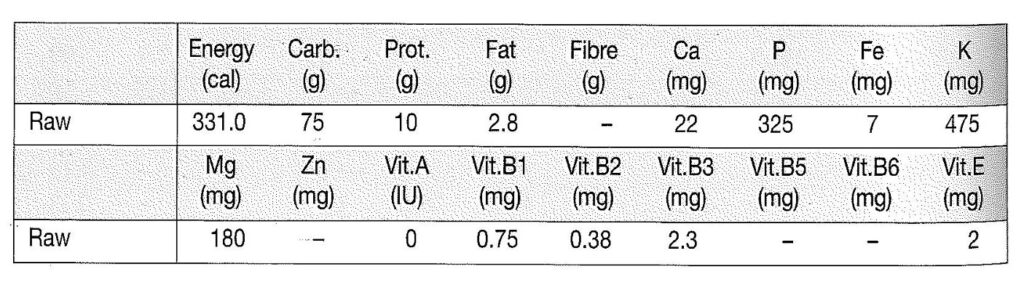
Table 7.7. The composition of millet. The figures are for 100g portions.(From ref.35,36,37)
There are many kinds of millet, but the common millet is known as Proso millet (Panicum miliacieum) which originated in Egypt or Arabia. The name Proso is the Russian name for millet. Millet is used extensively in Eastern countries, particularly India and China, and it is a must for the health conscious as it is not only highly nutritious, but is also one of the few alkaline grains. Millet belongs to the sorghum family of grains and is rich in magnesium and iron, the latter being one of the minerals that vegetarian diets can be low on. The mineral composition of millet is beneficial to the nervous system, and for arthritis sufferers this grain is highly recommended in view of its alkaline-forming properties.
Millet has a very hard outer casing and must be dehulled before it can be eaten. Many people are disappointed with millet because they buy the intact seed, which is suitable for birds, but provides quite a chewing experience for humans. Dehusking is normally done mechanically, and the dehusked product can be bought from health outlets. If millet is not available in the area in which one lives, then it is worthwhile ordering it by post. Millet is also a very versatile grain, and it can be prepared in a variety of ways. Prepare a millet porridge for breakfast or liquidize the cooked grain and use it to form the basis of delicious puddings. Millet flour can be used in conjunction with other flours in baking, and the high soluble fibre content gives the flour excellent binding qualities so that it can be used for binding patties, nut and legume roasts and can substitute for eggs in recipes that require eggs for binding.
Oats (Avena sativa)
The composition of oats is presented in table 7.8.
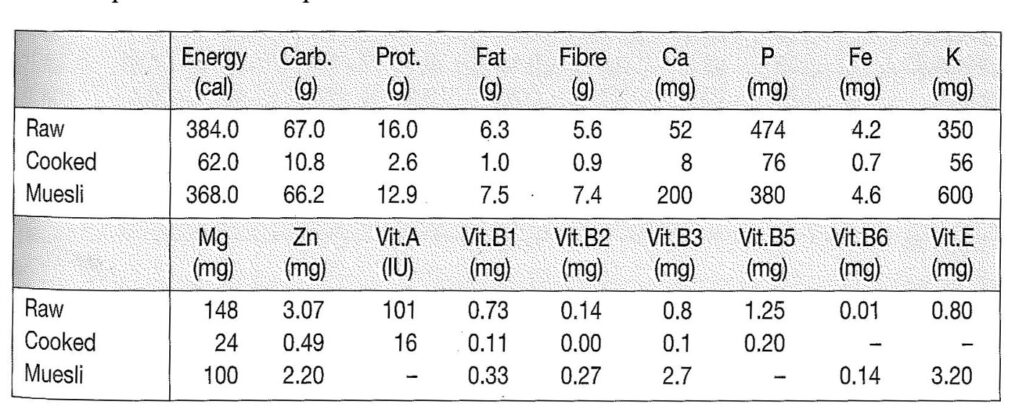
Table 7.8. The composition of oats. The figures are for 100g portions. (From ref. 35,36,37).
Whole oats is the best grain source of calcium, and together with its other minerals contributes to healthy bones and teeth. Moreover, oats has the highest fat content of all the grains and is second in terms of protein quality. The fat in oats is rich in oleic acid and the essential fatty acid, linoleic acid, and oats thus has an excellent fatty-acid composition. Another endearing quality of oats is its natural fibre composition which, in view of its unique blend of soluble fibres, assists the body in keeping cholesterol levels down and also ensures that the products of carbohydrate digestion are released slowly into the bloodstream. This ensures a constant supply of energy to the body rather than the glucose surge associated with refined foods. All these qualities combined, make oats, together with fruit, the ideal breakfast food.
It has long been known that the fibre in grains has an effect on cholesterol and triglyceride levels, and tends to reduce the levels of both.41 It has now been clearly established that oat bran is not only the most efficient in achieving this objective,42 but that the LDL cholesterol level, associated with arterial disease, is furthermore lowered by oat bran.43 Sustained slow release of glucose during starch digestion is highly desirable to prevent hypoglycaemia and to ensure a constant supply of energy to the system. Here again it is oats fibre which outperforms all other grains in preventing glucose surges by slowing down the rate of glucose release.44
Oats is one of the few grains which requires very little to no cooking and is, therefore, ideally suited for raw consumption in the form of muesli. Consumption of uncooked oats will also supply more energy per spoonful, as the stomach will not be filled with the water that the grains so readily absorb. This is why a muesli or granola breakfast is ideally suited for young children with their limited stomach capacity. Together with nuts and dried fruits, oats will provide a champion breakfast.
The best oats to purchase is either coarsely rolled oats, or groats which is the dehusked whole grain of oats. The latter can be obtained from health stores and some seed outlets and is highly recommended. If a grain mill is available, or even a coffee grinder, the groats can be freshly ground and used in many dishes to add flavour or to thicken and to bind. Groats can also be cooked whole like rice and can be eaten as such or it can be eaten as a breakfast grain together with fruit. Another advantage of eating muesli, granola or the whole oat berries, is that it will compel one to properly chew one’s food, and as starch digestion commences in the mouth, this is particularly important. Finally, oats is the ideal food for convalescing or sick people as it is easily digested and serves to improve the electrolyte balance.
Rice (Oryzia sativa)
The composition of rice is presented in table 7.9
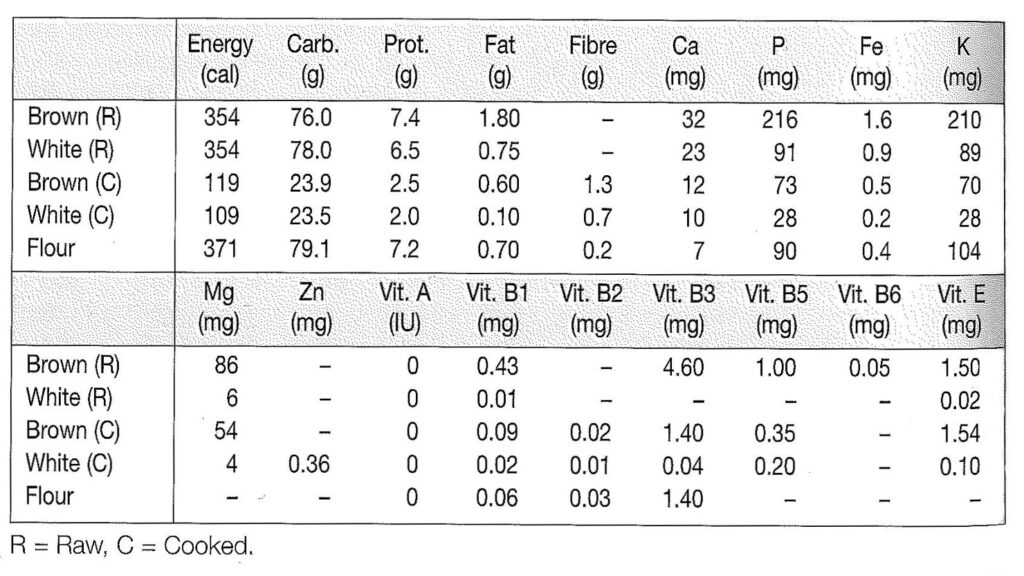
Table 7.9. The composition of rice. Figures are for 100g portions. (From ref. 35,36,37).
The commonest rice species is Oryzia sativa, and the different varieties of this rice can be divided into two main groups, the japonica and the indica types. The japonica types are the short-grained varieties, whereas the indica types are the long-grained varieties. Besides these, there are also many other varieties of rice, of which some grow on unflooded plains. Rice was first cultivated in India and today it is one of the most extensively used grains in the world, with China and India producing most of the world’s crop. Modern transport has, however, made rice available to virtually every country in the world. Like millet, rice belongs to that elite group of alkaline grains and should thus play an important part in our diet, as alkaline forming-foods should form the bulk of our daily nutrient intake.
Even a cursory glance at the composition-table of rice, will show that brown rice is far superior to white refined rice in terms of its nutrient content. It almost seems that, whenever nature provides something exceptionally good, then man must rob the product of its exceptional components. Refined rice should not form a regular component of the diet, as it will lead to all the pitfalls associated with a highly refined diet. Some complain, that brown rice is to chewy compared to refined rice. This problem can be lagely resolved by soaking the rice before cooking it, but it should also be remembered chewing is beneficial in terms of the digestive process.
The protein in rice is the perfect partner to the proteins in legumes and the combination of these two will provide a complete protein. Moreover, of all the grains, rice has the best percentage available protein. There are many varieties of rice on the market, so there is room for experimentation. Moreover, rice flour can be used for creating a variety of exciting dishes as well as cakes and puddings.
Rye (Secale cereale)
The composition of rye is presented in table 7.10.
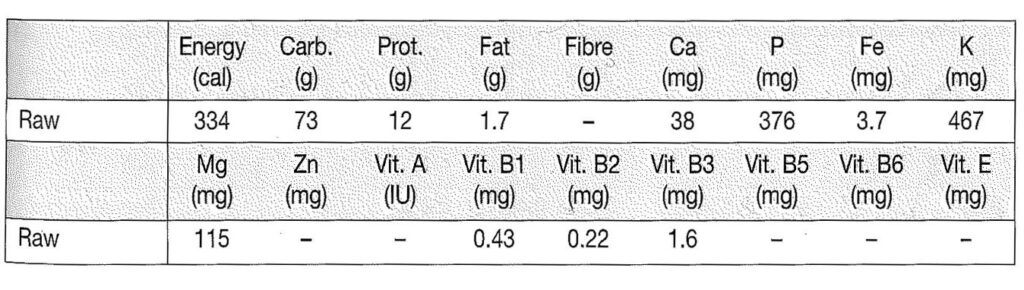
Table 7.10. The composition of rye. The figures are for 100g portions. (From ref. 35,36,37).
Rye probably originated in Afghanistan and Turkistan, where the wild species still grows today. Rye has only been in circulation since the bronze era,45 and since that time it has become firmly established as one of the major grains of Europe. Rye is well adapted to colder climates and gives yields over shorter periods of time than do other grains. In the past, rye was considered a weed and in America it is still sometimes referred to as “black wheat” and even in Europe it was still designated as cattle fodder in the 1980 European Community listings.45 The Germans are particularly fond of rye, and they would certainly balk at the idea that rye could be termed cattle fodder.
Rye is rich in minerals, particularly potassium, and also contains substantial amounts of the B-group vitamins, however, it is relatively gluten-free and thus will produce very firm, dense bread, such as pumpernickel, if baked by itself. The best way to achieve the best baking results with rye flour, is to combine it with wheat flour or to use the grain Triticale, which is a hybrid of wheat and rye, and can be used to bake delicious ready-made rye bread. The combination of rye and wheat flour will produce a lighter bread and improve the protein quality, and do wonders to the flavour.
Sorghum (Sorghum vulgare)
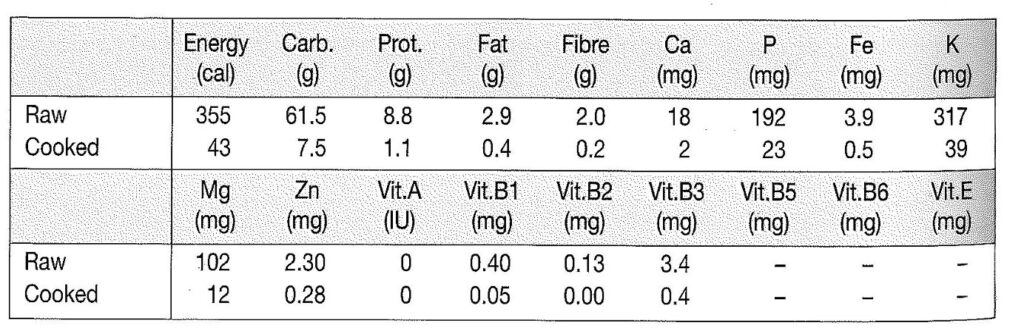
The composition of sorghum is given in table 7.11.
Table 7.11. The composition of sorghum. The figures are for 100g portions. (From ref. 35,36,37).
Sorghum is native to Africa and Asia, and it is an alkaline grain which is available in both a red and a white variety. This grain is widely used as cattle fodder, but man can certainly benefit from its consumption. Sorghum flour can be combined with wheat in bread, added to other grains and cooked as a porridge or it can be cooked as a porridge by itself. The whole grain is available from seed shops, farming co-operatives or from health outlets. In order to make one’s own flour from sorghum or to make porridge, a wheat mill can be used or, the grain can be blended together with water in a high-speed blender until smooth and creamy. Home-prepared sorghum has a rich flavour, probably because more of the volatile components are retained compared to bought sorghum products.
Wheat (Triticum)
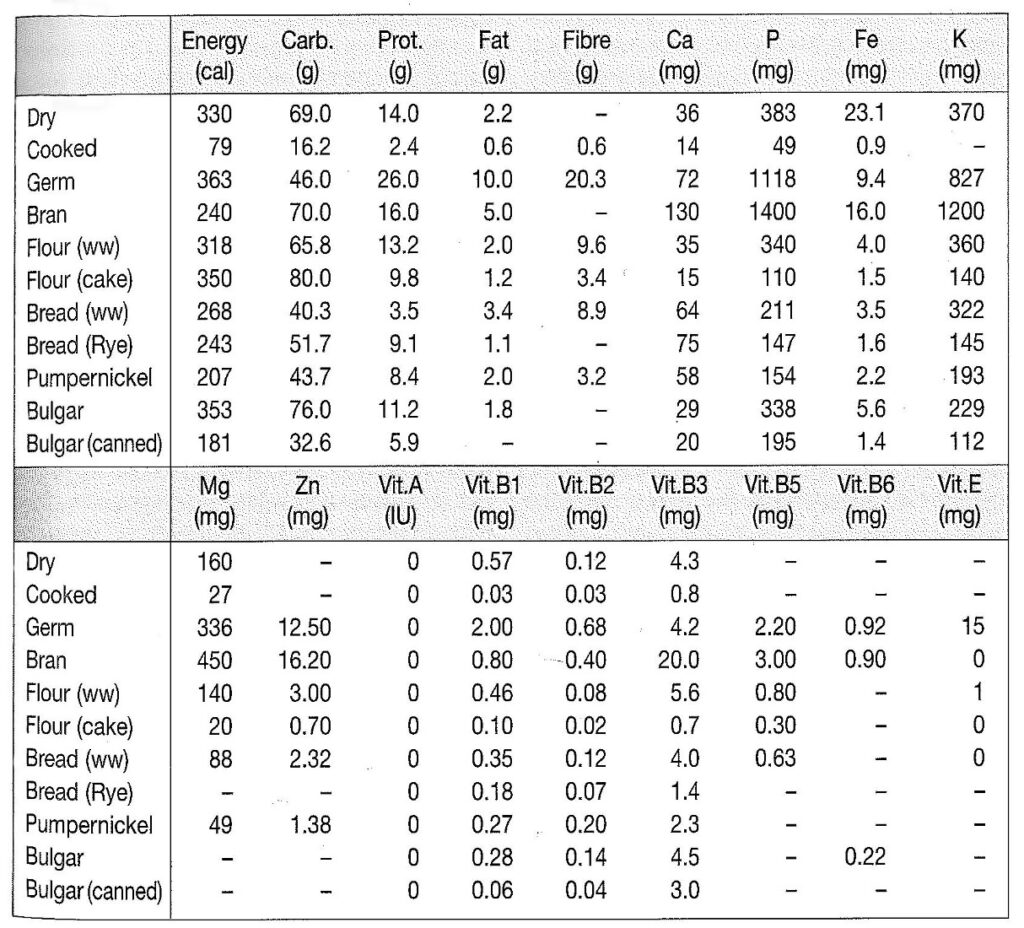
The composition of wheat and wheat products is presented in table 7.12.
Table 7.12. The composition of wheat and wheat products. The figures are for 100g portions. (From ref. 35,36,37).
Different varieties of wheat are grouped according to the number of chromosomes which their somatic cells contain. After rice, wheat is the most-used grain crop in the world. The world’s annual harvest of wheat exceeds 95 million metric tons per year (that of rice is 186 million tons) and for billions of people it is the staple grain. Wheat has been grown for thousands of years, and the rise and fall of nations has been determined by the success or failure of the wheat crop. Many strains of wheat have been developed, but the development of short-stemmed varieties, that are less prone to wind damage, has revolutionized the wheat industry. However, traditional wheat varieties still have their place in many areas of the world, because they are adapted to particular areas and are resistant to local diseases.
Whole-grain wheat is one of the best sources of primary protein, and also supplies essential minerals and vitamins in appreciable amounts. The components of wheat all have their own unique properties. The bran is very different from the rest of the seed in that it has a high-fibre content and also contains a fair amount of lipids. The germ, on the other hand has a high-lipid content, and although wheat contains only about 2% lipid in total, the separated germ contains approximately 12% lipid and is also rich in vitamin E. Finally, the endosperm consists of cells containing starch granules and protein, and the composition of these proteins is most important in determining the baking quality of the flour.
Another important product of wheat is Bulgur wheat, also known as lapsi or cracked wheat. bulgur is one of the staple grains of Middle Eastern countries, particularly Turkey. Traditionally, wheat is cooked in large tin-lined copper pots on an open wood fire, and then it is laid out on clean sheets to dry in the sun. Subsequently it is sent to the mills where it is cracked, and the recipes for its use depend on the final size of the cracked grains. Bulgur wheat is a very consumer-friendly wheat, as it is pre-cooked and thus takes very little preparation time. It also has a unique flavour and is very palatable. Bulgur is normally prepared like rice, and sautéd together with onions and green peppers it is particularly tasty. In some countries it is not readily available, but most health outlets should stock it.
Bread
The protein composition of wheat gives it its unique character, and also makes it possible to bake a leavened bread. Bread is the staff of life and should form an essential component of a healthy lifestyle. Even a cursory glance at the composition tables will show that bread provides vastly more energy and nutrients per unit mass than does any other cooked grain. The reason for this lies in the fact that a large proportion of the water, added in the preparation, which to begin with is only a one to one ratio, is evaporated during the baking process, thus providing a high-energy food which should take pride of place in our diets. Furthermore, bread prepared from whole-grain flour will not be fattening and will contribute substantially to one’s overall health and well-being. There is nothing as pleasant as the aroma and taste of a good home-baked bread, and no home should have to forgo the pleasure of enjoying this commodity. In today’s society the art of bread baking has to a large extent been lost, and modern milling techniques have so changed the composition of wheat flour, that it has, indeed, become difficult to produce a product which will impart all the goodness of whole wheat.
In the past, wheat was milled by stone mills, and all the components of the wheat would be finely ground. Modern mills no longer use stones, and they automatically separate the components of the wheat. Milling involves successive stages during which the bran, the germ and the endosperm are gradually separated from each other. Most mills today use rollers to crush the wheat, and in the first crushing, the rollers are set relatively far apart, thus merely cracking the wheat kernels. Separation of the components is achieved by sieving or bolting, and successive rollers produce finer and finer products. The first process removes most of the bran, and during the crushing action of the rollers, some of the fat in the germ is squeezed out, thus allowing the germ particles to stick together. The high lipid content of the germ causes this component to be lighter than the rest, and it is therefore also readily separated by shaking and bolting. At each stage the fine flour consisting mainly of the endosperm accumulates, and eventually forms the bulk of the milling process. By combining and blending the different components of the milling process, many different flour varieties are produced, but the germ is seldom used in these combinations, in view of its spoiling qualities.
A good wholesome bread should contain all the components of wheat, and it is advisable to scout around for a supplier of whole flour. Some mills will still produce a whole flour, or they will be willing to produce such a product upon request. Failing this, flour can be obtained from stone mills which are still operative, or the grain can be milled in household mills which are becoming more and more popular. Bread baked from stone, or home-ground flour, is a feast and will be difficult to give up once one has developed a palate for it. Bread is so versatile. By the addition of different ingredients it is possible to change the whole character of a loaf of bread. Adding herbs, onions or garlic will produce a delicious savoury loaf, whereas the addition of sweet ingredients or fruits, will produce a totally different culinary experience. The art of bread baking should be regained.
The art of bread baking.
Sadly, many people have given up baking home baked bread, particularly whole-wheat bread, because they have obtained such poor results from their attempts. Often the bread produced is good for building houses, but totally unsuited for human consumption, and so the prospective bread baker has given up in despair and reverted to buying light and fluffy commercial products. This need, however, not be the lot of anyone if a few elementary procedures were rigorously adhered to. As with any other subject, it is always better to adhere to procedures if the principles involved are first understood, so before addressing the subject of bread baking, a brief discussion of the chemical process seems appropriate.
The chief proteins found in all cereals are prolamines and glutelins, and the relationship between these proteins varies from grain to grain. Wheat is unique, in that it contains a prolamine called gliadin, and a glutelin called glutenin in approximately equal proportions.
The presence of gliadin and glutelin in the endosperm of wheat, gives wheat flour its unique baking qualities, because in the presence of water and mechanical agitation, these two protein fractions will form a tough, elastic complex known as gluten.46 Gluten does not occur as such in wheat, but it is formed when the dough is kneaded and it will form an elastic, gummy product as the gluten will absorb water and swell up to 200%. The properties of the gluten, that is formed in the kneading process, will depend on the quality of the flour but in general, hard wheats will form a gluten of good strength.
The gluten that develops in the kneadIng process, acts as a trap for the gases produced by the yeast, which is added to the dough mixture to make the bread rise. The mixed dough must have the texture of chewing gum, which should not break when attempting to spoon out a portion, but should be elastic with good stretching ability. The yeast produces carbon dioxide as an excretory product during the fermentation period, and because it also produces new offspring, which also produce carbon dioxide, the dough will rise as the gas becomes trapped in the gummy gluten mixture. Some strains of yeast produce more gas than others and a number of other components of the dough also influence the rate of gas formation. As yeast is a living organism, it is obvious that it will only grow vigorously if its nutritional needs are met.
Yeast cells utilize sugars to provide for their metabolic needs, and as these are broken down, carbon dioxide is produced as a by-product. The sugars present in flour are mostly glucose, fructose and sucrose, with the first two being present mainly in the germ which is mostly removed in commercial flours. To speed up the rate of fermentation, sugar is normally added to the mixture, but as too much sucrose in dough will slow down the rate of fermentation, it is advisable to bear this in mind when adding sugars to the mixture. The bread recipes given in this book thus use monosaccharide sugar sources to circumvent this problem.
The quality of bread thus depends on a few fundamental principles, which if adhered to should greatly improve the product which is produced. The lightness, texture and taste of the loaf will be determined by the quality of the grains used, by the combination of grains used, by what is added to the dough and by the mechanical preparation of the dough.
Mechanical preparation:
The gluten can be developed either by mixing or kneadIng, but it is essential that it is developed sufficiently to trap the carbon dioxide produced by the yeast. Undermixing will produce a heavy, dense bread which is difficult to digest, and will also discourage the baker. Overmixing will produce a sticky, less rubbery mixture which can also decrease the volume of the loaf.
Other ingredients:
The ingredients added to a dough mixture are very important and will influence the quality of the end-product. A few factors to consider are:
- Grains: In general the addition of flours, other than wheat, will produce denser loaves of bread, but the flavour and nutritional value can be improved. It is advisable to experiment until a happy compromise is reached which suits one’s individual taste.
- Sugar: Sugar can be added as yeast nutrient, but a fructose or glucose source would produce faster and tastier results. It is suggested that fruit or dried fruit such as raisins be added in liquidized form to provide a monosaccharide sugar form.
- Malt: It is often customary to use malt extract, and malted barley in bread recipes, but this practice should be limited, as the malt contains proteolytic enzymes which break down the gluten in the dough, making it sticky, difficult to handle and producing a tacky bread of poor volume. Proteolytic enzymes also occur in the wheat flour itself, and this is desirable as it improves the gluten, however, too much will produce adverse results and that is why an addition of enzymes in malt and malted products can cause a problem.
- Salt: Sodium chloride (table salt) improves the quality of the gluten that is developed, and can thus be added to the bread mixture. Salt will also improve the taste.
- Milk: Milk contains factors which increase proteolytic enzyme activity, and raw or pasteurized milk should not be added to the dough.
- Heat: Finally it should be remembered that grains contain factors which will limit their digestibility, but as these factors are normally neutralized by exposure to heat, it is advisable not to bake very large loaves of bread, so that the heat can penetrate deep into the loaves during baking. This will also ensure that the yeast cells are all killed during the baking process, as it is not advisable to ingest live yeast cells, as these will rob the body of essential nutrients. Live yeast cells, like all living organisms, require nutrients in order to continue their life processes and will thus absorb vitamins and nutrients from the system. If the loaves are, however, small and well-baked, the yeast cells will be killed and will themselves be digested thus adding to the nutrient supply.
The production of a quality bread is thus influenced by many factors, but adherence to the few principles outlined above, will produce an acceptable product. With a little practice and experimentation, it should, however, soon be possible to produce bread of the highest quality.